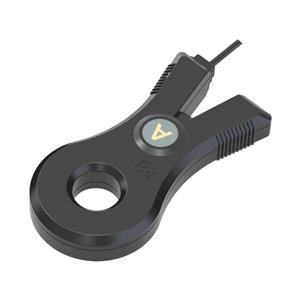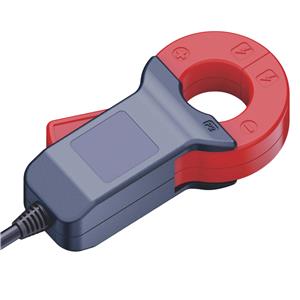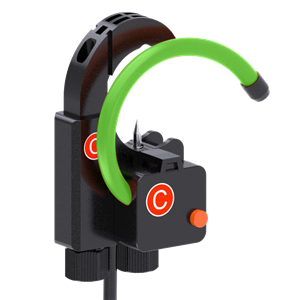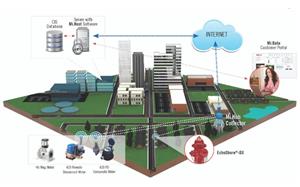
CT (Current Transformer) metering has emerged as an indispensable technology in the field of electrical power measurement and monitoring. With its ability to accurately measure current levels in high-voltage systems, CT metering plays a pivotal role in ensuring reliable and efficient energy distribution. In this article, we will delve into the technical aspects of CT metering, exploring its working principles, benefits, and the latest advancements driving its widespread adoption.
what is shunt?
Shunts are a type of resistor that is specifically designed to measure current. They work by creating a voltage drop across the resistor as a result of the current flowing through it. By measuring this voltage drop, we can calculate the current passing through the shunt using Ohm's law (I=V/R).
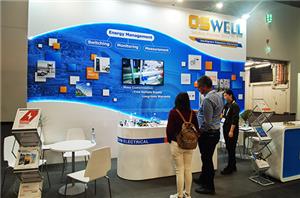
This exhibition will focus on:Power plant products and equipment systems: power devices, high voltage switches, transmission, distribution network, transformers, current transformers, voltage transformers, power capacitors, high voltage cabinets, monitors, electrical engineering, power supply and accessories, wires and cables, insulation materials, measurement and electronic equipment systems, etc
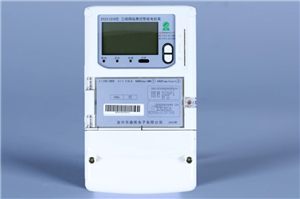
What is a Smart Meter?
Smart meter is a metering device that can measure electricity remotely through RS485 data transmission and terminal computer software management. Free automatic power off, timed power off, student apartment malignant load identification and other functions.

Artificial intelligence is set to be crucial to managing the significant increase in battery energy storage to support the grid towards net zero, a new paper states.
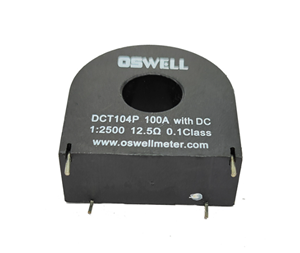
For energy, EV, and storage applications, the right component mix is application-driven, not catalog-driven. Buyers who choose by electrical role, safety need, and lifecycle burden will build systems that are easier to scale and harder to regret.
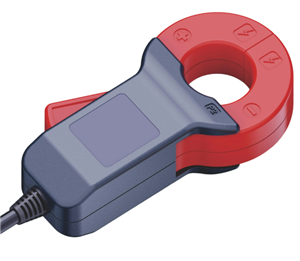
The most important components in an accurate and stable energy metering system are the ones that control measurement truth, long-term stability, and interface quality. In other words, the sensing front end, the switching path, and the integration logic matter most together.
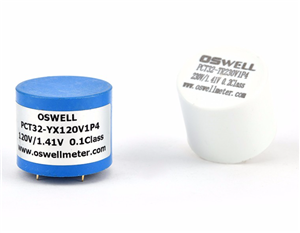
How To Match Latching Relays, Current Sensors, And Transformers To Smart Meter System Requirements
In smart meters, good component matching means relay duty, metrology accuracy, and system configuration all support the same product goal. When these three move together, the design becomes more reliable, easier to commission, and more scalable.
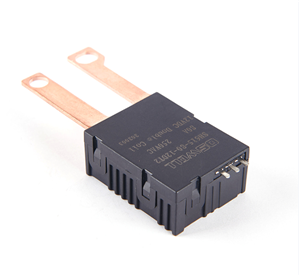
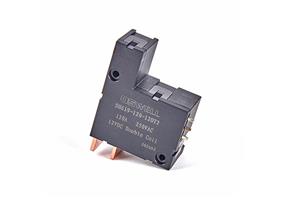
The Critical Role of Latching Relays in Smart Meter Remote Load Control and Tariff Switching.
In summary, the latching relay is the silent, yet critical, enforcer within the smart meter that physically executes the commands of a modern, intelligent grid. It is the key hardware component that enables remote demand-side management, dynamic tariff structures, and enhanced energy conservation—all while consuming virtually no power in its steady state. Its reliability directly impacts grid operational efficiency, utility revenue protection, and consumer trust. For procurement specialists and smart meter designers, selecting a latching relay is not a commodity decision. It is a strategic choice for long-term performance. Partnering with established component specialists like Oswell, who engineer their relays to meet the exacting standards of the global metering industry, is essential. It ensures the deployment of smart meters that are not only intelligent in communication, but also unwavering in their physical execution of control commands, forming the dependable backbone of the advanced metering infrastructure.
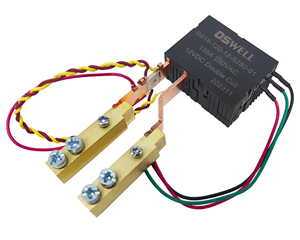
In summary, the full benefit of a latching relay's ultra-low power consumption is only realized with a reliable, efficient, and simple drive method. Discrete circuits add complexity and risk. Integrated driver ICs are the definitive solution, transforming a challenging design task into a straightforward, robust implementation. They are the critical enabling technology that allows latching relays to fulfill their promise in smart meters, IoT energy controls, and other battery-backed or energy-harvesting applications. For procurement specialists and designers, specifying a proven relay-and-driver combination—such as those from suppliers like Oswell who understand the application holistically—is a strategic decision. It minimizes engineering overhead, accelerates product development, and ultimately ensures the field reliability and longevity that are paramount in the global energy metering and management industry.