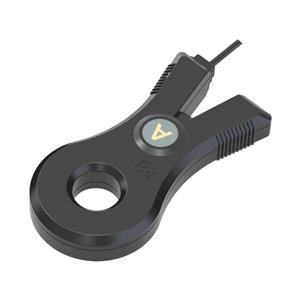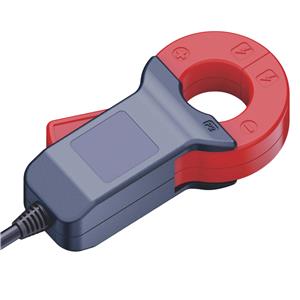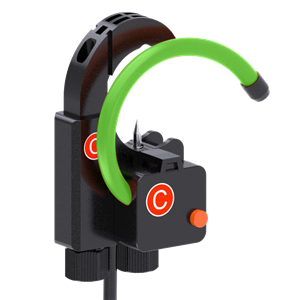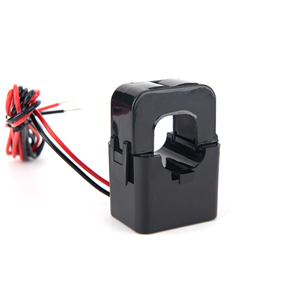
Accuracy class matters in split-core CT selection because it defines measurement potential, but it also reveals something deeper: whether the CT can deliver that performance under the burden, phase, polarity, current range, and meter-input conditions of the real application. A split-core CT is easy to install, but easy installation does not guarantee trustworthy data. Buyers who choose accuracy class based on application risk, system compatibility, and total lifecycle value usually make far better decisions than buyers who compare current ratio and price alone.
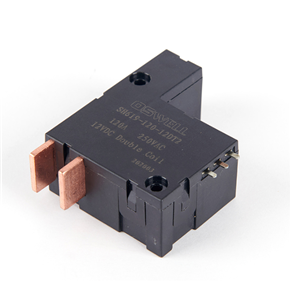
Before ordering a smart meter relay, buyers should check three things in depth: whether the relay truly matches the electrical load and drive architecture, whether reliability and standards are supported by meaningful test data, and whether the relay can stay consistent and integration-friendly in real production. A smart meter relay is not just a switching part. It is a field-risk component, a cost-of-ownership decision, and a key factor in long-term meter performance.
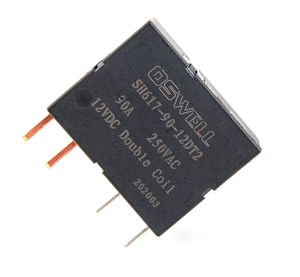
The debate between latching and standard relays in energy meters is decisively tilted towards latching technology in the era of smart, efficient grids. The latching relay's zero-power holding, superior reliability, and inherent fail-safe memory function address the critical needs of modern metering: minimizing system energy loss, ensuring long-term operational integrity, and enabling advanced tariff and load control features. While standard relays have their place in simpler applications, the latching relay, especially when engineered with the precision and quality focus of a supplier like Oswell E-Group, represents the intelligent, future-proof choice for building reliable, efficient, and full-featured energy measurement systems.
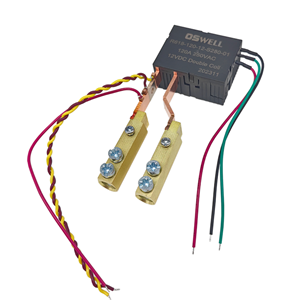
In summary, the latching relay is not merely a switch within a smart energy meter; it is a strategic component that addresses core challenges of power efficiency, long-term reliability, and advanced functionality. By eliminating standby power draw, it unlocks decade-long battery life and enables new, autonomous meter designs. Its inherent thermal and mechanical stability ensures operational integrity over the meter's extended lifespan. Finally, its bistable, pulse-driven nature is the perfect interface for executing remote commands and smart grid functions, from prepayment to demand response. Specifying a high-quality latching relay, therefore, is a fundamental design decision that directly impacts the performance, longevity, and intelligence of the smart metering system.
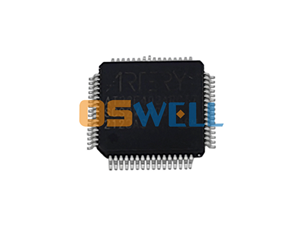
In summary, Oswell’s market position as a global provider of metering parts is a multi-faceted advantage. It is built on a unique combination of deep, integrated component expertise and advanced manufacturing, strategically aligned with the powerful trends shaping the energy and technology sectors. Ultimately, Oswell succeeds by being more than a catalog supplier; it is a vertically-integrated, technically-engaged partner that delivers the precision, reliability, and innovation its global customers need to build the foundational devices for a smarter and more electrified world.
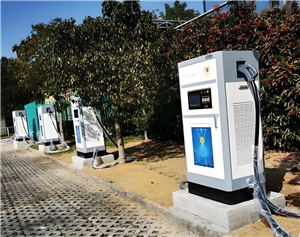
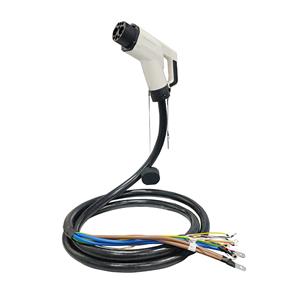
EV charging stations are pivotal enablers of carbon neutrality, operating on three synergistic fronts: they directly enable the replacement of high-emission vehicles, intelligently integrate transportation with a cleaner power grid through smart and bi-directional charging, and are themselves being built with greater sustainability in mind. As key infrastructure providers like Oswell continue to innovate in charging technology, grid interaction, and sustainable manufacturing, their role in supporting global carbon neutrality goals becomes increasingly vital and impactful.
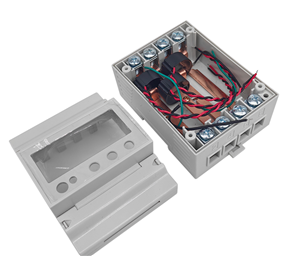
IoT-Enabled Meters and Transformers
The convergence of IoT technology with traditional meters and transformers represents a paradigm shift in energy management, enabling unprecedented levels of visibility, control, and efficiency. These intelligent devices form the foundation of smart grid infrastructure, supporting more resilient, sustainable, and cost-effective energy systems. As technology continues to evolve, IoT-enabled energy equipment will play an increasingly vital role in managing the complex energy challenges of the future.
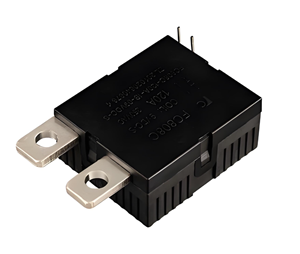
Key advantages of magnetic latching relays in electric energy meters and Oswell's innovation
Magnetic latching relays offer compelling advantages for electric energy meters, including minimal power consumption, high reliability, and long operational life. Their unique characteristics make them indispensable components in modern smart metering systems. Oswell's continuous innovation in design and manufacturing ensures that their magnetic latching relays meet the evolving demands of the energy industry, providing utilities with robust, efficient solutions for advanced energy management and grid optimization.
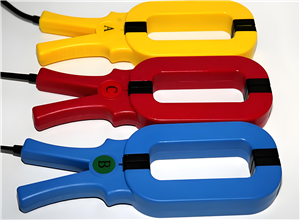
Split-Core CTs vs. Clamp-On CTs
Both split-core and clamp-on current transformers serve vital but distinct roles in electrical measurement. Split-core CTs are the go-to solution for accurate, permanent monitoring installations, while clamp-on CTs offer unmatched convenience for temporary diagnostic work. Understanding their fundamental differences in design, accuracy, and application scenarios enables engineers and technicians to select the optimal tool for their specific needs. Oswell’s expertise in manufacturing both types ensures that professionals have access to reliable, high-quality CTs tailored for any electrical measurement challenge.
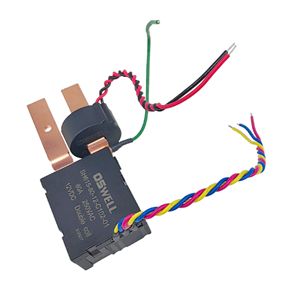
Latching relays have revolutionized energy meter design by combining zero-power holding capability with robust switching performance. Their ability to enhance meter lifespan through reduced power consumption and mechanical durability makes them essential components in modern metering infrastructure. As smart grids evolve toward greater efficiency and functionality, latching relays will continue to play a pivotal role in enabling advanced features while maintaining the reliability expected from critical grid components.