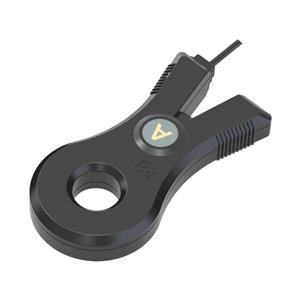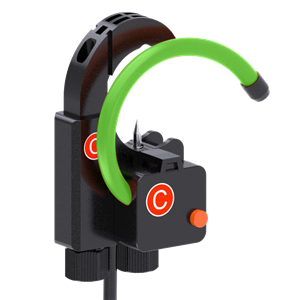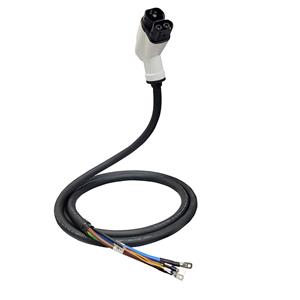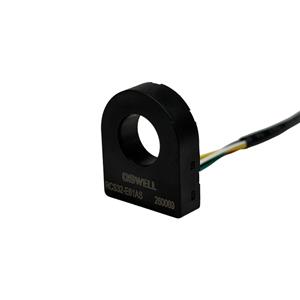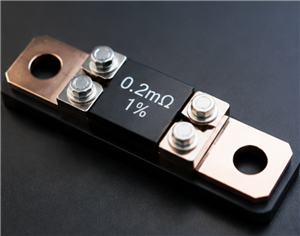
Low resistance shunt resistors are essential components in high-performance electric vehicle systems, providing accurate current measurement with minimal energy loss. By improving battery monitoring accuracy, supporting efficient power management, and maintaining stable performance under demanding conditions, these components help EV manufacturers build safer and more efficient vehicles. For procurement teams, choosing a reliable shunt resistor supplier is a key step toward developing advanced electric mobility solutions and achieving long-term product success.
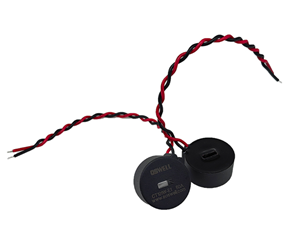
In conclusion, while often unseen within the charging station's enclosure, low-resistance, high-precision shunt sensors are fundamental components that underpin the entire EV charging ecosystem. They are critical for accurate revenue collection, ensuring operational safety, enabling fast charging protocols, and facilitating smart grid integration. Their performance directly impacts user trust, station profitability, and grid stability. As charging powers increase and V2X applications emerge, the demands on these components for higher accuracy, greater power handling, and unwavering reliability will only intensify. For international buyers and designers specifying components for next-generation charging infrastructure, partnering with a trusted, high-quality manufacturer like Oswell is a strategic imperative. It ensures access to the precise, reliable, and robust current sensing technology needed to build a trustworthy, efficient, and future-ready EV charging network.
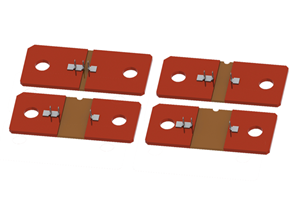
In conclusion, the BMS shunt resistor is far more than a passive component; it is the critical sensory organ of the battery management system. Its unparalleled precision in translating current flow into a measurable signal forms the bedrock for accurate state estimation, robust safety protection, and optimal system efficiency. The choice of a shunt resistor with excellent metrological characteristics—low temperature coefficient, high stability, and precise tolerance—is therefore a decisive factor in the reliability, safety, and longevity of any lithium-ion battery system. Investing in a high-quality shunt, such as those engineered for precision metering, is an investment in the integrity and performance of the entire BMS.

Far from being a simple passive component, the shunt sensor is a pivotal technology that dictates the accuracy and intelligence of a Battery Management System. Its role in providing precise, stable, and temperature-resilient current data is irreplaceable for calculating State of Charge, State of Health, and implementing protective controls. Investing in high-quality, precision-engineered shunt sensors, such as those from Oswell, is a foundational decision that safeguards battery safety, unlocks optimal performance, and ensures the long-term reliability and value of any energy storage or electric mobility system.