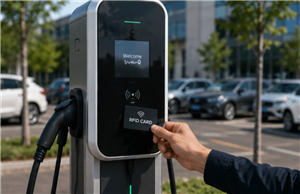
For pedestal EV charging projects, hardware alone is no longer enough. In real commercial and public charging operations, managers need to control user access, monitor charger status, track usage, support billing, and reduce unnecessary on-site management work. That is why RFID, app control, and 4G connectivity have become some of the most important functions in modern pedestal EV charging stations. These features help transform a charger from a simple power device into a manageable charging asset that is easier to operate, easier to scale, and easier to integrate into real business scenarios.
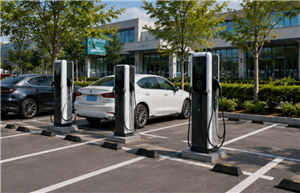
Choosing the right pedestal EV charger is not only about selecting a higher or lower power level. The real decision depends on parking time, vehicle turnover speed, site traffic, electrical capacity, business model, and the type of users the project needs to serve. A 7kW or 22kW pedestal charger may be the right choice for long-stay parking, while a 40kW or 240kW charger may be far more suitable for commercial sites that require faster charging turnover. This guide explains how to choose between 7kW, 22kW, 40kW, and 240kW pedestal EV chargers so buyers can match the charger to the actual site instead of choosing only by output number.
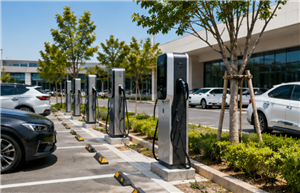
Post-Mounted EV Charging Station vs Wall-Mounted Charger: Which Is Better For Commercial Sites?
For commercial EV charging projects, the choice between a post-mounted charging station and a wall-mounted charger affects much more than appearance. It directly influences parking layout, user convenience, cable reach, civil work, visibility, site flexibility, and future expansion. Many buyers compare output power, connector type, and smart functions first, but mounting form can determine whether the project is truly practical after installation. This guide explains the real differences between post-mounted and wall-mounted EV chargers and helps commercial buyers choose the better option for their site.