How To Choose Between Shunt Resistors And Current Transformers For Different Smart Meter Designs
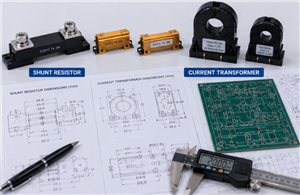
Choosing between shunt resistors and current transformers for different smart meter designs requires more than a simple cost comparison. The right method depends on the project’s current sensing architecture, safety structure, thermal strategy, integration style, and long-term production plan. When buyers and engineers evaluate these factors together, they can choose a sensing method that supports not only the design target, but also smoother OEM execution and lower future risk.

Shunt Resistor Or Current Transformer: Which Current Sensing Method Is Better For Smart Meters
Shunt resistors and current transformers each offer clear advantages for smart meter design, but they support different priorities. Shunt resistors often stand out for economy, direct sensing, and compact integration. Current transformers often stand out for isolation-related advantages, magnetic sensing structure, and suitability in certain robust metering architectures. The better option depends on the actual meter platform, including cost target, thermal strategy, safety concept, integration method, and long-term reliability goals. By comparing both methods from a full system perspective, project teams can make a more practical and more reliable current sensing decision.
How To Match Latching Relays, Current Sensors, And Transformers To Smart Meter System Requirements
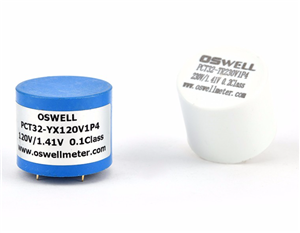
In smart meters, good component matching means relay duty, metrology accuracy, and system configuration all support the same product goal. When these three move together, the design becomes more reliable, easier to commission, and more scalable.