How To Avoid Sample Approval Mistakes In Smart Meter OEM Projects
How To Avoid Sample Approval Mistakes In Smart Meter OEM Projects
In smart meter OEM projects, sample approval is one of the most sensitive stages in the sourcing and development process. A sample that looks acceptable in a quick review can still create major problems later if buyers approve it before confirming the real application, dimensional fit, electrical behavior, production relevance, and future batch consistency. This guide explains how to avoid sample approval mistakes in smart meter OEM projects and how buyers and engineers can make stronger decisions before the project moves toward pilot orders or mass production.
1. Why Sample Approval Mistakes Are So Expensive In OEM Projects
In many OEM projects, the sample is the first physical result that seems to prove the supplier is ready. Because of this, teams sometimes approve too quickly once the part looks correct in appearance or passes a simple laboratory check. But in smart meter projects, approval errors are expensive because the sample usually influences quotation decisions, PCB freeze, layout confirmation, customer review, and the path toward future batch production.
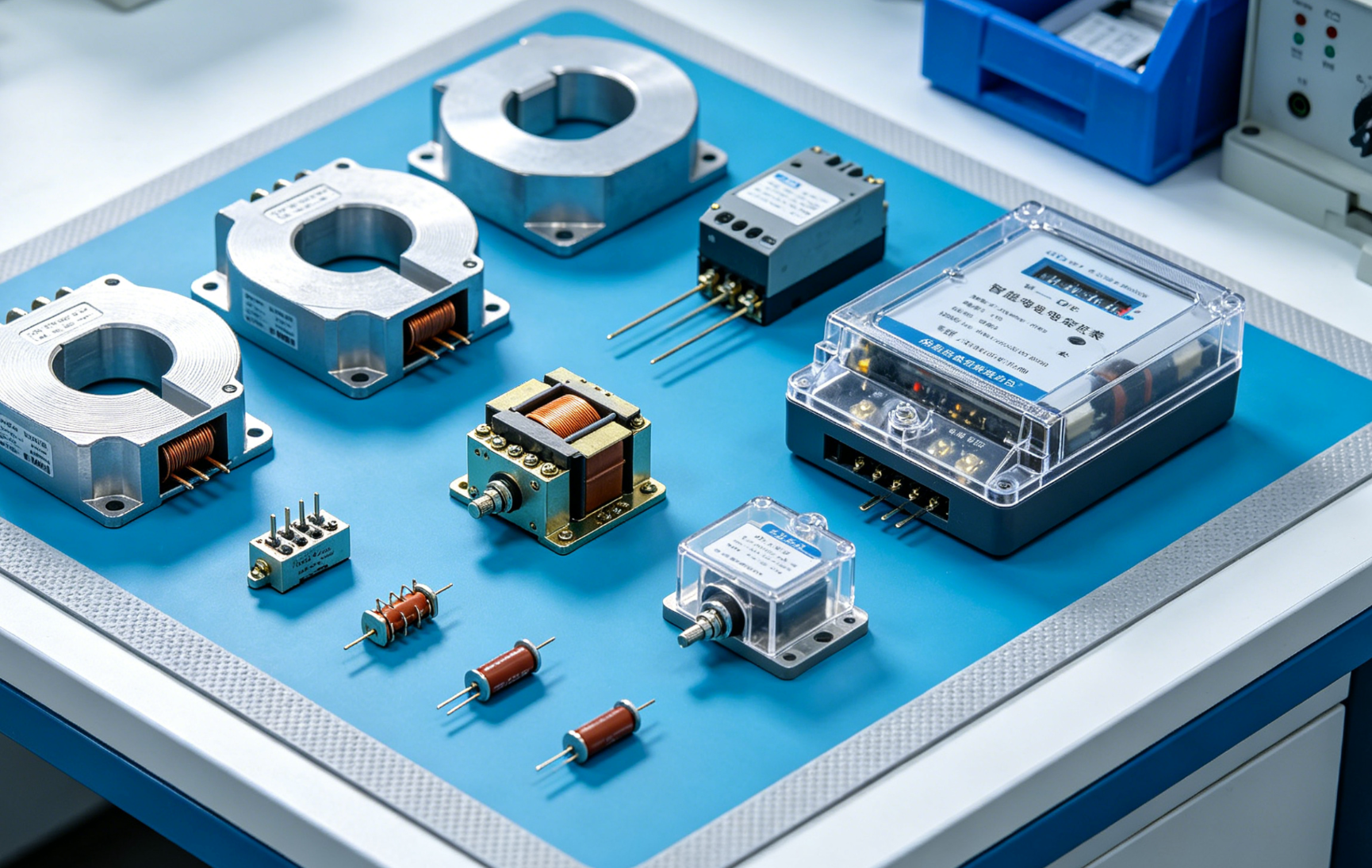
A current transformer may look acceptable in a basic test and still be wrong for the final burden condition or mounting structure. A latching relay may switch correctly in a short sample check but later show mismatch with the real load control duty. A shunt resistor may seem economical but create thermal problems in the final meter structure. A miniature voltage transformer or meter case may also appear usable and still create fit, insulation, or consistency problems once the OEM project moves forward.
Another reason sample approval mistakes are costly is that the sample stage is often where expectations become fixed. If the sample is approved without enough confirmation, both buyer and supplier may assume the project is already on the correct path. When the hidden problem appears later, the project may need repeated samples, revised drawings, new quotations, and delayed pilot planning. What looked like fast progress at first becomes slower overall progress later.
For this reason, sample approval in a smart meter OEM project should not be treated as a simple yes-or-no action. It should be treated as a structured technical checkpoint.
2. What Mistakes Buyers And Engineers Most Often Make
The first common mistake is approving based on appearance or one simple test only. A sample may look correct in shape and finish, but that does not prove it matches the real smart meter application. Buyers should not assume that a clean sample appearance equals project readiness.
The second mistake is approving before the application conditions are fully clear. If the rated current or voltage range, meter type, mounting condition, PCB layout, and space limitations are not already understood, the sample may only be “generally suitable” rather than truly correct for the OEM project.
The third mistake is treating a sample as if it automatically represents future mass production. A supplier can send a good trial sample and still struggle to keep the same electrical behavior, dimensional tolerance, switching consistency, molding precision, or inspection stability in later batches. Sample approval should therefore include discussion of future production relevance, not just current sample acceptability.
The fourth mistake is skipping system-level review. A part that passes as a standalone sample can still create problems once it is integrated into the real smart meter structure. PCB fit, enclosure interaction, burden condition, heat buildup, wiring path, and assembly sequence often reveal issues that isolated testing misses.
The fifth mistake is approving too early because of project schedule pressure. Fast approval may seem efficient, but if the sample is not technically well confirmed, the project often pays later through redesign, re-sampling, delayed customer validation, or unstable pilot production.
| Common Approval Mistake | Why It Happens | What Buyers Should Do Instead |
|---|---|---|
| Approving By Appearance Only | The sample looks clean and professionally made | Check application fit, electrical behavior, and dimensional relevance first |
| Approving Before Requirements Are Clear | The team wants to move fast before all project details are fixed | Confirm meter type, range, mounting, and layout conditions first |
| Assuming The Sample Equals Batch Production | The prototype sample performs well in early review | Ask how the same quality will be maintained in future batches |
| Skipping System-Level Validation | The part is tested alone instead of in the real meter design | Review the sample with PCB, case, structure, and real working conditions |
| Approving Too Early Under Schedule Pressure | The project wants to move quickly toward the next stage | Separate sample pass from real OEM approval readiness |
3. How To Build A Better Sample Approval Process
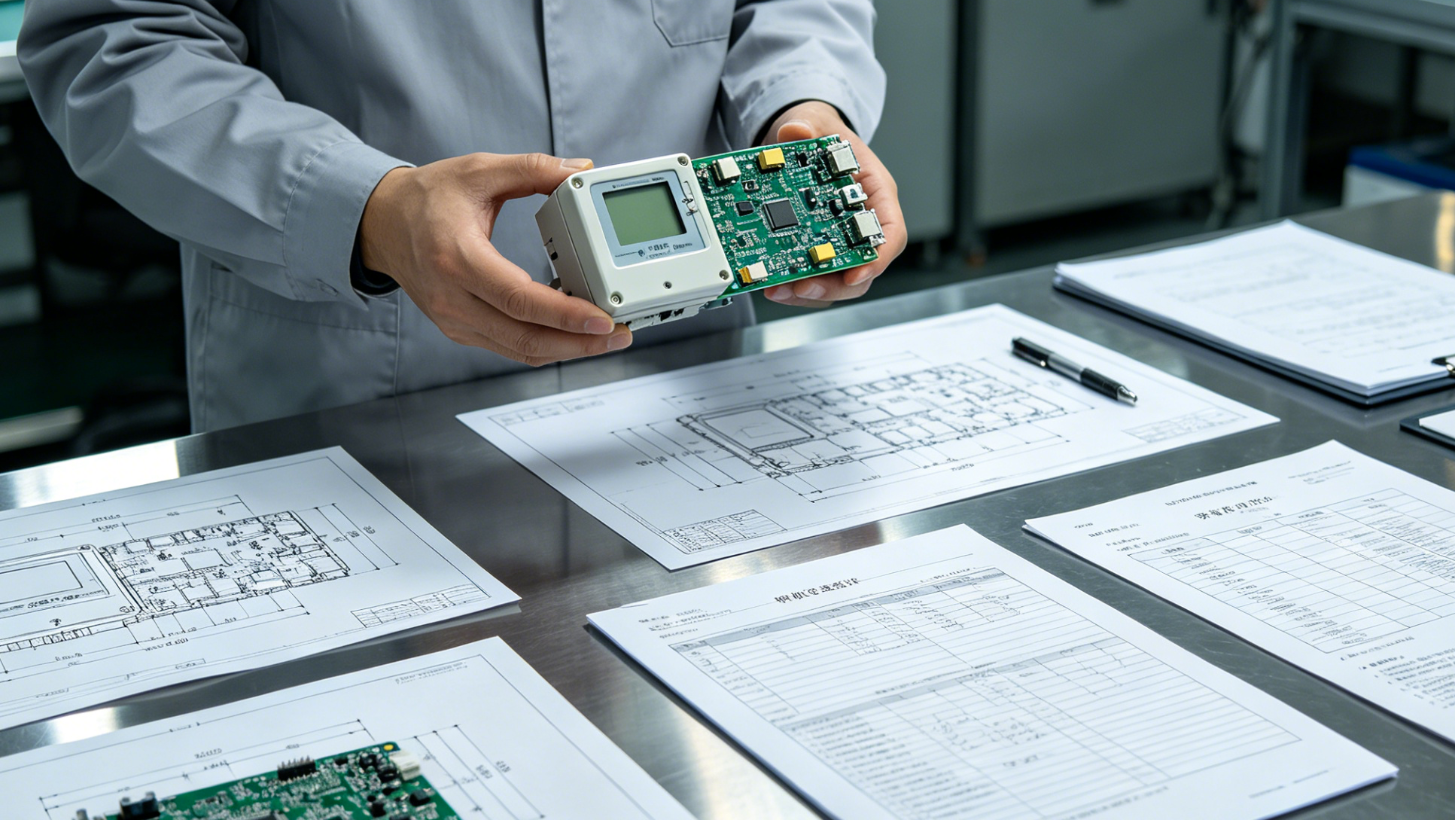
The most practical solution is to review the sample together with the real project information before approval. Buyers and engineers should confirm the meter type, rated current or voltage range, mounting direction, PCB layout, dimensional limits, and intended sample purpose before making the decision. This makes the approval much more meaningful because it is linked to the real project instead of only to the sample itself.
It is also useful to separate different approval levels. A component can pass a basic sample check, pass a dimensional check, pass a system-level check, and still not yet be fully ready for batch supply. Treating these as separate milestones helps the project move forward with fewer misunderstandings between engineering, purchasing, and supplier teams.
Buyers should also ask whether the approved sample truly represents the future OEM path. A lower-risk supplier should be able to explain whether the sample is based on a standard model, whether customization will still be needed, and whether the same quality path can be maintained during pilot and volume stages. This kind of clarification reduces one of the most common hidden risks in sample approval.
Another useful principle is to compare the cost of delay, not only the cost of one more review cycle. In smart meter projects, a slightly slower but more accurate approval process is often cheaper than a fast approval that later creates redesign, new samples, and delayed customer acceptance.
The best sample approval process is the one that helps the project discover hidden problems before they become expensive OEM problems later.
Conclusion
Avoiding sample approval mistakes in smart meter OEM projects requires more than confirming that the part works once in a basic review. Buyers and engineers should confirm application fit, dimensional relevance, electrical behavior, system-level compatibility, and future production readiness before approval. When these points are checked in a structured way, the project becomes much less likely to face hidden delays, repeated samples, or unstable batch performance later.
Contact Us
Looking for reliable smart meter components for your OEM project? Contact our team to discuss drawings, samples, technical requirements, and quotation details.