What Buyers Should Check Before Approving A Metering Current Transformer Sample
What Buyers Should Check Before Approving A Metering Current Transformer Sample
Approving a metering current transformer sample is a critical step in any smart meter project. A sample that looks acceptable at first glance may still create hidden problems later if buyers only check appearance, basic dimensions, or one simple test result. To avoid quotation mismatch, redesign, calibration difficulties, or batch instability, buyers should review the sample from electrical, mechanical, thermal, and production perspectives together. This guide explains what buyers should check before approving a metering current transformer sample and how to make a more reliable decision for mass production.
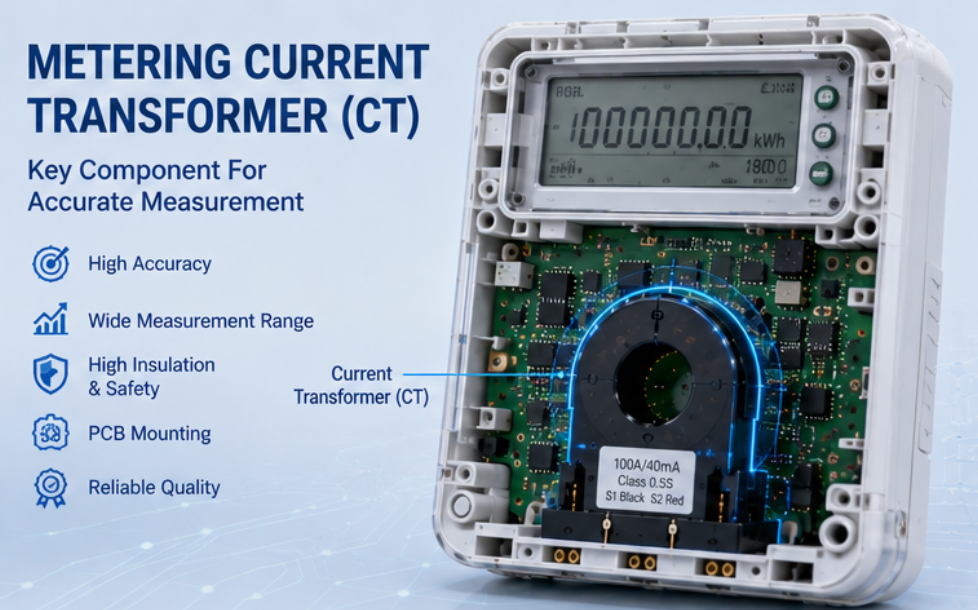
1. Why Sample Approval Matters More Than Many Buyers Expect
In many smart meter projects, the metering current transformer sample is the first physical confirmation that the selected model may fit the design. However, sample approval should not be treated as a simple visual check. A CT sample can appear correct in size and still create later problems if its ratio behavior, burden response, linearity, insulation structure, or consistency under real operating conditions has not been reviewed properly.
This is especially important because a metering CT is part of the core measurement path of the smart meter. If the sample does not reflect the real needs of the design, the project may later face unstable calibration, greater batch variation, or field accuracy problems. Once those issues appear after tooling, PCB freeze, or production planning, the cost of correction becomes much higher.
Buyers should therefore treat sample approval as a technical checkpoint, not only as a procurement step. The goal is not just to confirm that the supplier can send a sample. The goal is to confirm that the sample is truly suitable for the smart meter project and can support stable performance in future batch production.
A better sample approval process helps reduce design revision, avoid selection mistakes, and improve quotation accuracy for the next stage of the project.
2. What Buyers Should Check Before Approving The Sample
The first thing to check is whether the sample matches the real application requirement. Buyers should confirm the rated current, intended operating range, meter type, and whether the sample structure is suitable for the actual smart meter design. A CT sample that is acceptable in general may still be unsuitable if it is not properly matched to the project’s current range, mounting style, or metering purpose.
The second point is electrical behavior. Buyers should not rely only on the nominal current label. The sample should be reviewed for ratio suitability, burden compatibility, and stable behavior across the relevant measurement range. If the smart meter project is sensitive to low-current performance or calibration stability, these points should be checked early. A sample that behaves well only at one simple point may still cause problems later.
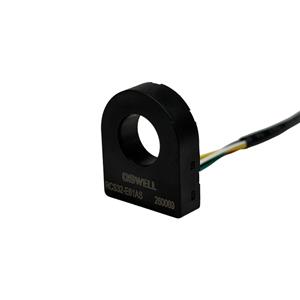
The third point is dimensional and mounting compatibility. The sample should fit the PCB layout, bottom case, conductor path, and assembly direction planned for the smart meter. Buyers should confirm pin style, hole spacing, height, overall size, and how the CT sits inside the design. Mechanical mismatch is one of the most common reasons a technically acceptable sample is later rejected.
The fourth point is insulation and safety confidence. Since the CT is part of the metering structure, buyers should confirm that the sample supports the insulation target and safety expectations of the project. This becomes more important if the meter design has stricter long-term reliability or installation requirements.
The fifth point is thermal and long-term stability. Even if the sample looks correct at room temperature, buyers should consider whether the CT is likely to remain stable under actual operating conditions. If the application may face temperature variation or long service periods, the sample should be reviewed with that in mind rather than only through a basic bench check.
Finally, buyers should ask whether the sample represents a real production-ready version. A good-looking sample is not enough if the supplier cannot keep the same magnetic, dimensional, and inspection quality in batch production. Sample approval should therefore include discussion of future production consistency.

| Buyer Check Point | Why It Matters | What To Confirm |
|---|---|---|
| Application Match | Prevents selecting a sample that fits only in theory | Meter type, rated current, operating range, project use case |
| Electrical Fit | Supports stable metering behavior and easier calibration | Ratio, burden compatibility, low-current behavior, repeatability |
| Dimensional Fit | Avoids layout conflict and assembly revision | Pin style, hole spacing, height, mounting direction, overall size |
| Insulation / Safety | Improves long-term reliability confidence | Insulation target, structure confidence, safety margin |
| Thermal Stability | Reduces drift and long-term performance risk | Temperature influence, operating robustness, stability tendency |
| Production Readiness | Prevents sample-to-batch mismatch later | Batch consistency, process control, inspection repeatability |
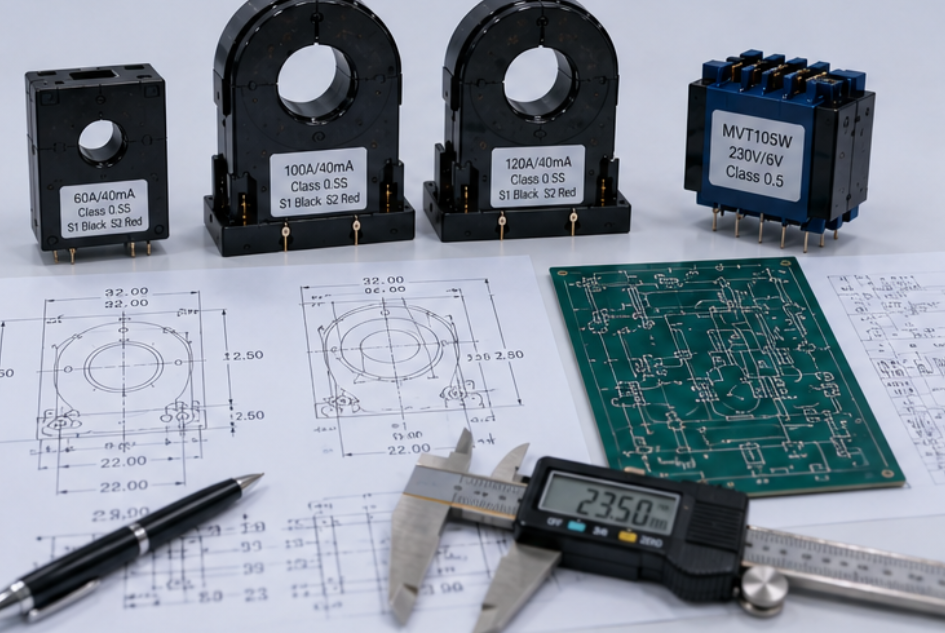
3. How Buyers Can Approve Samples More Effectively
The most practical way is to review the sample with the actual smart meter project information in hand. Buyers should prepare the current range, PCB layout, mounting limitations, meter structure, and any known performance expectations before making the final sample decision. This allows the supplier and buyer to judge the sample in the context of the real project instead of only by appearance or one simple test.
It is also useful to evaluate the sample together with the real meter circuit or with conditions very close to the final design. This helps reveal whether the CT remains stable under the actual burden, calibration path, and thermal environment of the project. Many hidden issues only become visible at this stage, which makes system-level sample review much more valuable than isolated component checking.
Buyers should also ask whether the approved sample can be maintained in batch production. If the supplier cannot keep the same core behavior, winding stability, dimensional tolerance, and inspection discipline later, a good sample may still lead to unstable mass production. This is why supplier capability should be part of sample approval, not something checked only after the order is placed.
Another useful principle is to avoid approving the sample too early based only on price or basic dimensions. A sample that is slightly cheaper but creates later calibration trouble, redesign delay, or batch inconsistency will usually cost more overall. Better approval decisions come from balancing technical suitability with future production reliability.
The best approved sample is the one that helps the smart meter project move forward with fewer surprises in quotation, PCB design, calibration, and mass production. That is the real purpose of smart sample approval.
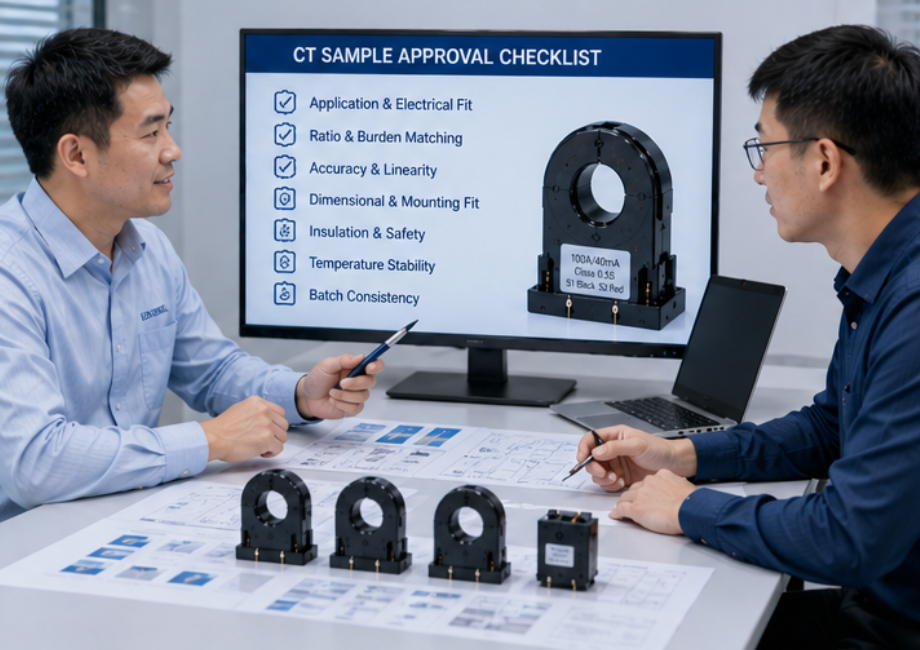
Conclusion
Buyers should check application fit, electrical behavior, dimensional compatibility, insulation confidence, thermal stability, and future batch consistency before approving a metering current transformer sample. A stronger sample approval process reduces redesign risk, avoids hidden accuracy problems, and improves confidence in the next quotation and mass-production stage. In smart meter projects, better sample approval leads to better final component decisions.
Contact Us
Looking for the right current transformer for your smart meter project? Contact our team to discuss samples, application details, testing needs, and quotation support.