Why Smart Meter Samples Pass Lab Tests But Fail In Real Projects
Why Smart Meter Samples Pass Lab Tests But Fail In Real Projects
In smart meter projects, sample approval often creates a false sense of confidence. A component may perform well in a basic laboratory check and still create serious problems later in real projects. The reason is simple: many samples are tested under limited, controlled, and short-term conditions, while real projects involve actual PCB layouts, real load conditions, thermal accumulation, installation constraints, repeated operation, batch variation, and long-term reliability requirements. This guide explains why smart meter samples pass lab tests but fail in real projects, and how buyers and engineers can reduce that risk before mass production starts.
1. Why A Sample Can Look Good In The Lab But Still Fail In A Real Project
In many smart meter projects, a sample is first checked under simple and controlled conditions. The component may be tested alone, with a limited test setup, at room temperature, and for a short period of time. Under these conditions, the part may appear stable enough to approve. But the real project environment is usually much more demanding than the sample test environment.
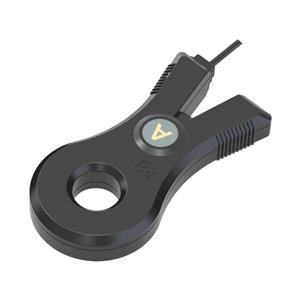
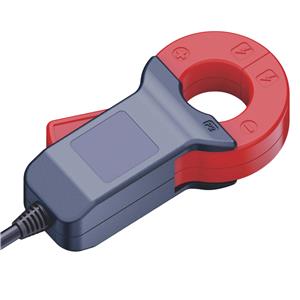
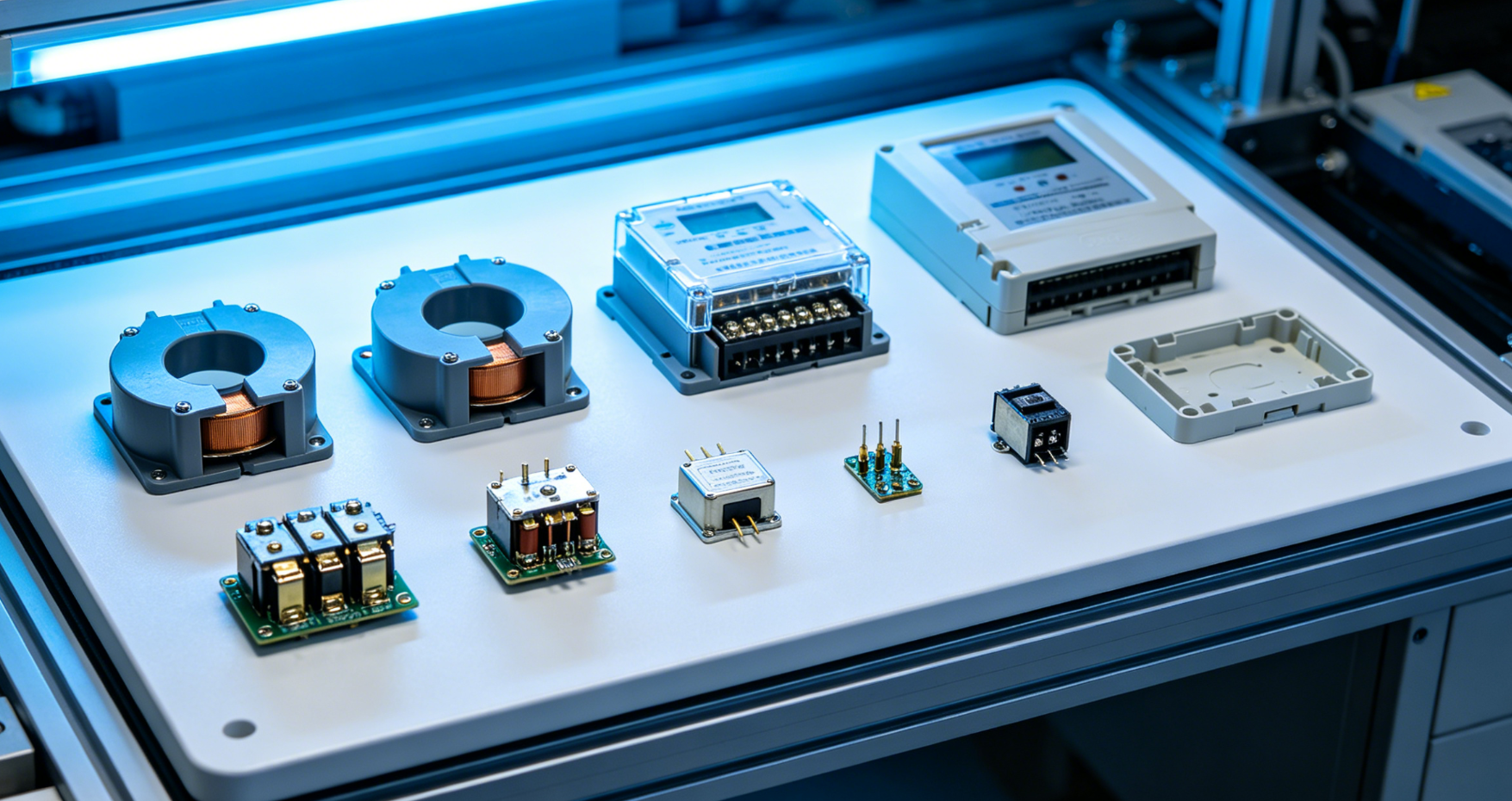
A current transformer may pass an early measurement check but later show mismatch with the real burden condition or low-current behavior. A latching relay may switch correctly a few times in the lab but become less stable after repeated real-life operation. A shunt resistor may seem acceptable in a basic test and still create unexpected thermal influence in the final meter structure. A miniature voltage transformer may pass sample review and later cause layout compromise or long-term drift. Even a meter case can look correct as a sample and still create assembly, sealing, or tolerance problems in the actual project.
Another common reason is that sample evaluation is often isolated from the final smart meter design. In the lab, the part may not yet be exposed to the actual PCB, enclosure structure, terminal arrangement, wiring path, heat buildup, installation method, or batch production conditions. When the component finally enters the real project, those factors begin to influence the result, and the hidden weakness becomes visible.
This is why a passing lab result should never be treated as the final proof of project readiness. It is only one step in the approval process.
2. What Usually Causes The Gap Between Lab Success And Project Failure
The first major cause is incomplete application matching. Buyers sometimes approve a sample before fully confirming the real meter type, rated current or voltage range, mounting condition, PCB space, and operating target. When these details are still unclear, the sample may only be “generally suitable,” not truly correct for the final project.
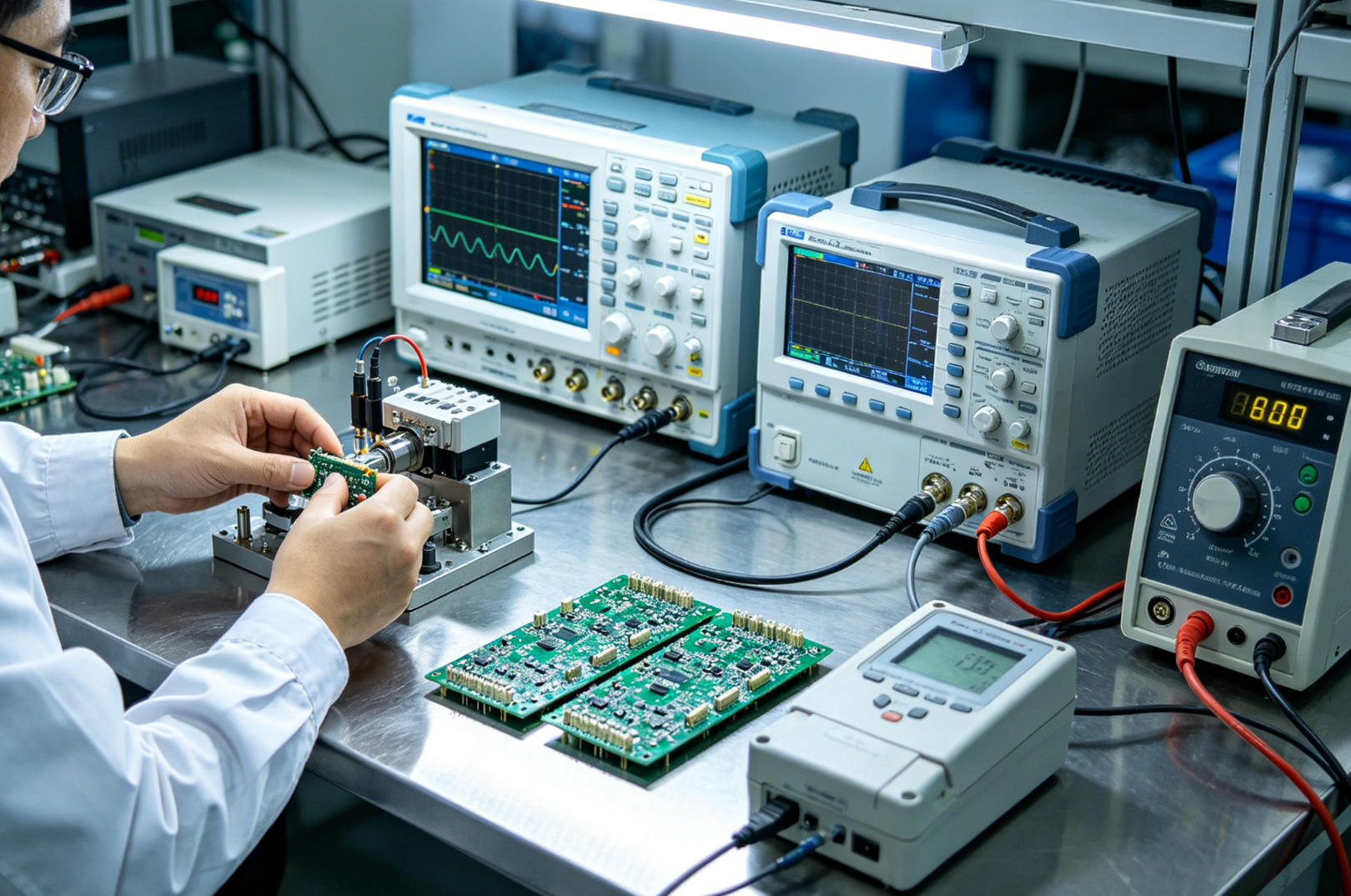
The second cause is limited testing conditions. A short laboratory test may not reveal problems related to temperature rise, repeated switching, long-term drift, structural stress, dimensional tolerance, or interaction with surrounding parts. This is especially important in smart meter products, where components are compactly integrated and small changes can influence the final result much more than expected.
The third cause is sample-to-batch inconsistency. A supplier may send a strong prototype sample, but if the same magnetic control, winding quality, molding precision, contact behavior, or inspection repeatability cannot be maintained in production, the real project will not behave like the sample. This is one of the most common hidden risks in OEM sourcing.
The fourth cause is weak system-level validation. A component that passes a standalone test can still fail once it is installed in the full smart meter design. Real project performance depends on how the part behaves inside the actual metering circuit, enclosure, thermal environment, and assembly process. Without system-level confirmation, the sample result may be misleading.
The fifth cause is approval pressure. In some projects, samples are approved too quickly because the team wants to move forward with quotation, tooling, or pilot orders. But a fast approval based on limited evidence often creates more delay later, not less.
| Common Reason | Why The Sample Still Passed | Why The Real Project Failed |
|---|---|---|
| Incomplete Application Matching | The test did not fully reflect the final meter design | The component did not truly fit the real application condition |
| Limited Test Conditions | Short, simple, and controlled tests showed no obvious issue | Thermal, endurance, or structural problems appeared later |
| Sample-To-Batch Difference | The prototype sample was stronger than the later batch average | Production consistency could not match the approved sample |
| Weak System-Level Review | The part was tested alone, not in the full meter structure | Problems appeared after integration into the real project |
| Approval Too Early | The team focused on fast progress rather than full validation | Late-stage rework, delay, or reliability risk became more expensive |
3. How Buyers And Engineers Can Prevent This Problem
The most practical solution is to review the sample together with the real project information. Buyers should confirm the meter type, PCB layout, mounting method, current or voltage range, thermal environment, and project stage before the sample is approved. The more clearly the real application is defined, the less likely the team is to approve a part that only works under limited test conditions.
It is also important to add system-level evaluation whenever possible. A sample should be checked not only as a standalone component, but also as part of the real smart meter structure. This helps reveal problems related to burden matching, layout pressure, enclosure interference, switching stress, and heat buildup much earlier.
Buyers should also ask whether the approved sample truly represents future batch production. A lower-risk supplier should be able to explain process control, inspection logic, dimensional consistency, and how the approved sample will be maintained in later volume supply. This is often the difference between a successful OEM project and a painful one.
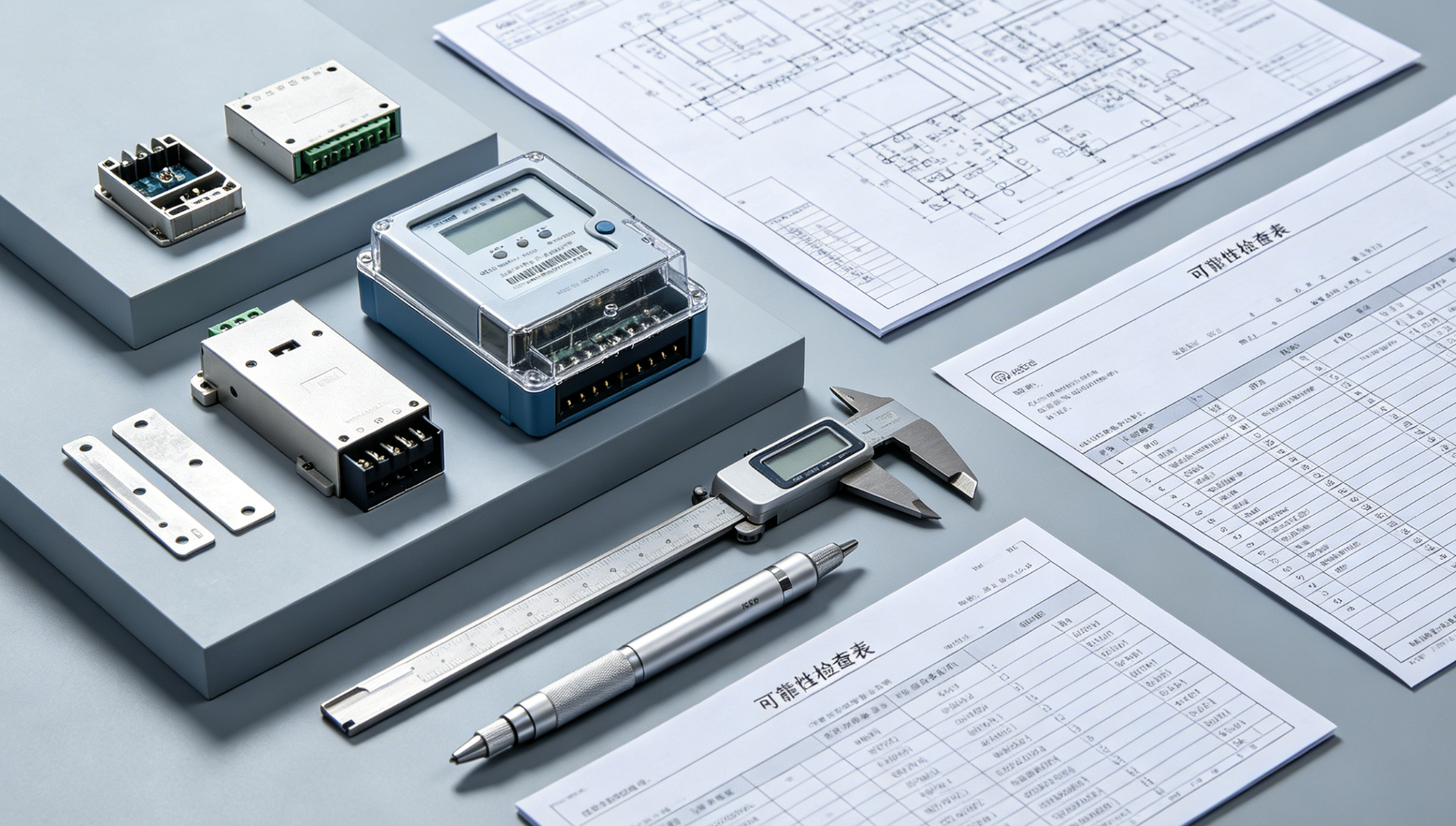
Another useful principle is to separate “sample function pass” from “project approval pass.” A component can pass a sample test and still fail the decision criteria for production readiness. These are not the same thing, and treating them differently helps the team make much stronger decisions.
The best approval process is the one that helps the project discover hidden risk early, not one that approves the sample as fast as possible.
Conclusion
Smart meter samples often pass lab tests but fail in real projects because the lab test is only part of the picture. Real project success depends on application matching, system-level validation, long-term stability, and future batch consistency. When buyers and engineers confirm these points before approval, they can reduce redesign, avoid delayed mass production, and build a more reliable smart meter supply path.
Contact Us
Looking for reliable smart meter components for your OEM project? Contact our team to discuss drawings, samples, testing requirements, and quotation details.