Why Some Smart Meter Quotes Look Cheap But Cost More Later
Why Some Smart Meter Quotes Look Cheap But Cost More Later
In smart meter sourcing, a low initial quotation can look attractive, especially when buyers are comparing multiple suppliers under time pressure. But in real OEM projects, some quotes only look cheap at the beginning. Later, the total project cost increases because the selected component does not match the application, the sample needs repeated revision, the production path is not stable, or the supplier cannot maintain the approved quality in batch supply. This guide explains why some smart meter quotes look cheap but cost more later, and how buyers can identify quotation risk before it turns into a project problem.
1. Why A Low Quote Is Not Always A Low-Cost Project
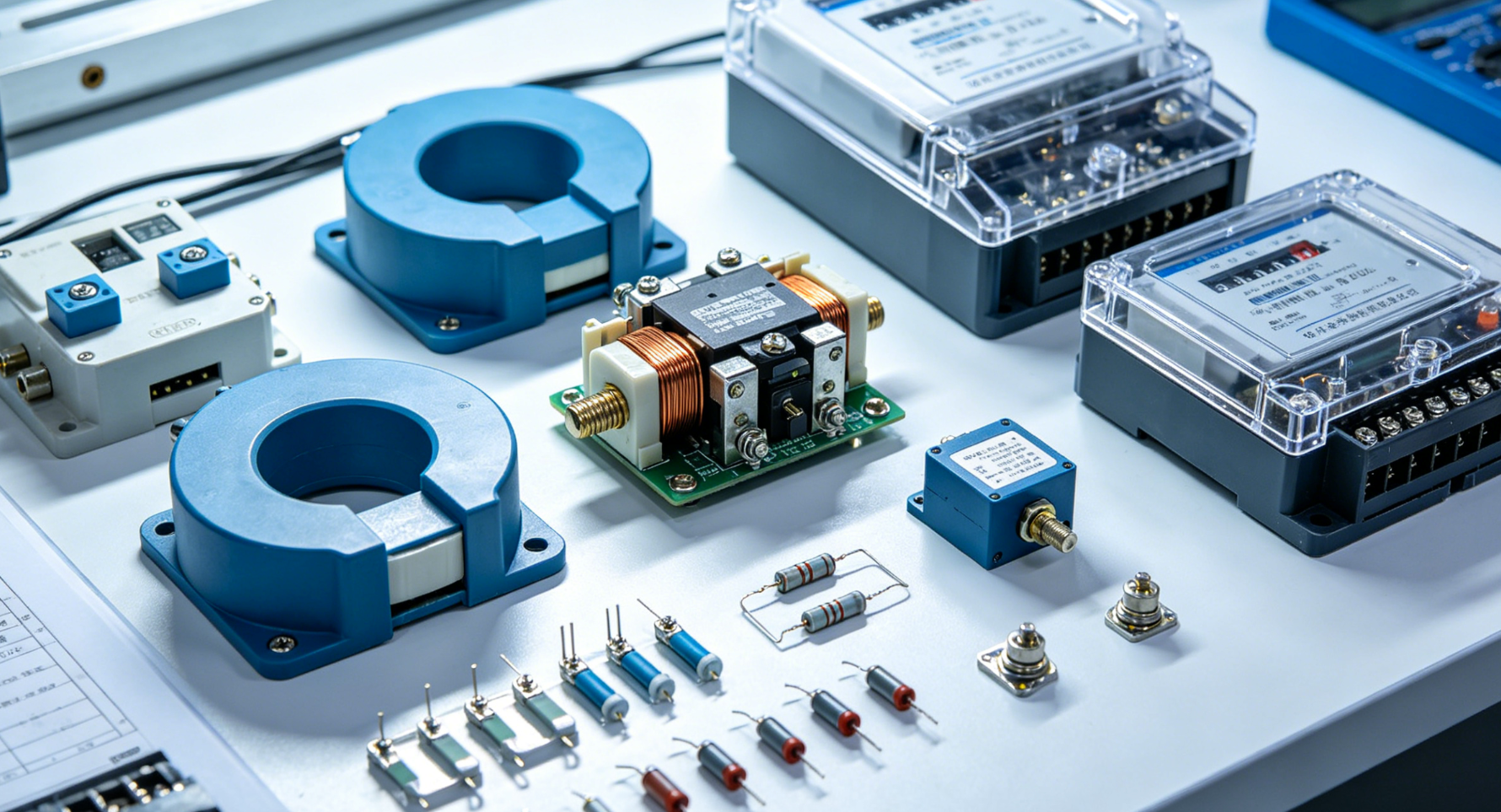
In smart meter projects, the quoted price of a component is only one part of the total cost. A current transformer, latching relay, shunt resistor, miniature voltage transformer, or meter case may all look competitive in the first quotation. But if the quoted part is not well matched to the actual meter design, the project may later face extra sample cost, repeated engineering review, PCB revision, delayed approval, or batch inconsistency. These hidden costs are often much larger than the initial price difference between suppliers.
A common problem is that some quotations are prepared using incomplete project information. The supplier may quote a part that is only generally similar to the requirement, not fully suitable for the real application. At first, this makes the price look attractive. Later, once the buyer confirms the mounting direction, dimensional limits, insulation target, burden condition, switching requirement, or production expectation, the project realizes that the low-price part is not the right solution after all.
Another reason low quotes become expensive is that they often do not reflect the total OEM path. A low quote may be based on a basic sample, limited validation, simplified structure, or a part that is easy to quote but harder to keep consistent in mass production. In this situation, the project pays later through delay, redesign, tighter inspection, more engineering effort, or unstable field performance.
For this reason, buyers should not ask only whether the quote is low. They should ask whether the quote is complete, realistic, and safe for the full project path.
2. What Usually Makes A “Cheap” Quote More Expensive Later
The first major reason is incomplete technical matching. A quoted component may have the right category and still be wrong for the real smart meter design. A current transformer may not fit the actual burden condition or mounting position. A relay may not match the real load control duty. A shunt resistor may create more heat than expected. A meter case may not fit the final PCB and terminal structure. When these issues appear later, the project pays through revision, delay, and re-qualification.
The second reason is sample-to-production mismatch. Some low quotes are based on a sample that is easy to send, not on a part that is fully ready for stable batch production. The project may approve the sample, then later discover that the same electrical behavior, dimensional tolerance, switching stability, or molding precision cannot be maintained consistently in volume supply. That turns a low initial quote into a more expensive sourcing path.
The third reason is weak support during the approval stage. A supplier may quote low but offer limited help with drawings, PCB fit, sample explanation, testing feedback, or batch planning. When technical response is weak, the buyer’s team has to spend more time closing the gap. That adds indirect cost to the project and often slows down the full approval cycle.
The fourth reason is hidden quality risk. A low quote may reflect weaker process control, less stable inspection, or less repeatable production management. In smart meter components, even small variation can later increase calibration workload, dimensional rejection, switching inconsistency, or final product instability. That means the real cost appears after the first quotation stage, not during it.
The fifth reason is project-stage confusion. A quote that is acceptable for a simple prototype may not be the right quote for an OEM program moving toward pilot production and long-term supply. If buyers compare all prices as if they represent the same stage, they may choose a quote that is cheap for the wrong reason.
| Hidden Cost Source | Why The Quote Still Looked Cheap | How It Costs More Later |
|---|---|---|
| Application Mismatch | The supplier quoted a general part, not the real project fit | Sample revision, redesign, delayed approval, new quotation |
| Sample-To-Batch Difference | The quoted sample was easy to send but not fully production-stable | Batch inconsistency, more inspection, repeated re-qualification |
| Weak Engineering Support | The quotation did not reflect the need for technical follow-up | More time spent on clarification, slower OEM progress |
| Weak Process Control | The low price reflected a lighter control path | Higher variation, more defects, more hidden project cost |
| Wrong Project Stage Comparison | Prototype quote and OEM quote were treated as the same thing | Later stage cost increases, sample re-selection, delayed batch plan |
3. How Buyers Can Judge Quotations More Safely
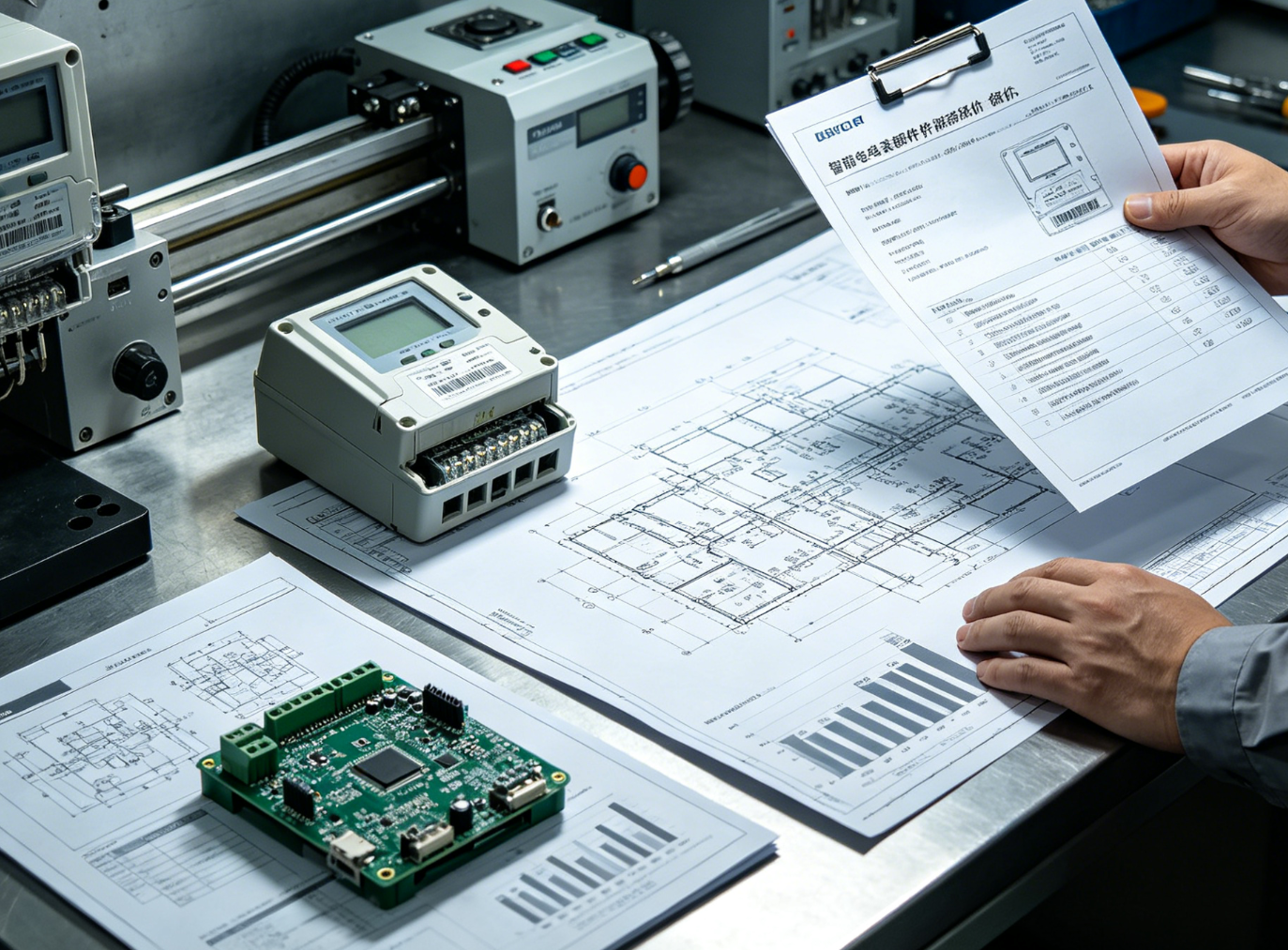
The most practical way is to compare quotations only after the main project conditions are already clear. Buyers should provide the meter type, rated current or voltage range, mounting method, PCB layout condition, dimensional limits, project stage, and sample purpose before requesting quotes. This makes the quotation more realistic and reduces the chance that a supplier wins only because the comparison was incomplete.
It is also useful to ask what exactly is included in the quote. Buyers should confirm whether the quoted part is a standard model or a temporary sample path, whether technical support is included, whether the same structure can be kept in batch production, and whether the quote reflects prototype, pilot, or OEM supply logic. This makes the real difference between quotations much clearer.
Buyers should also compare total project risk, not only first price. A supplier with a slightly higher first quote may still be safer if they offer clearer engineering communication, better sample relevance, stronger process control, and more stable future supply. In many smart meter projects, that creates lower total cost even when the first price is not the lowest.
Another useful principle is to separate “cheap to quote” from “safe to buy.” Some suppliers are very fast to issue a low quote, but much weaker when the project reaches sample approval, technical confirmation, or batch planning. Buyers should compare the full sourcing path, not only the first commercial response.
The best quotation is the one that supports the project with fewer hidden changes later, not simply the one with the lowest first number.
Conclusion
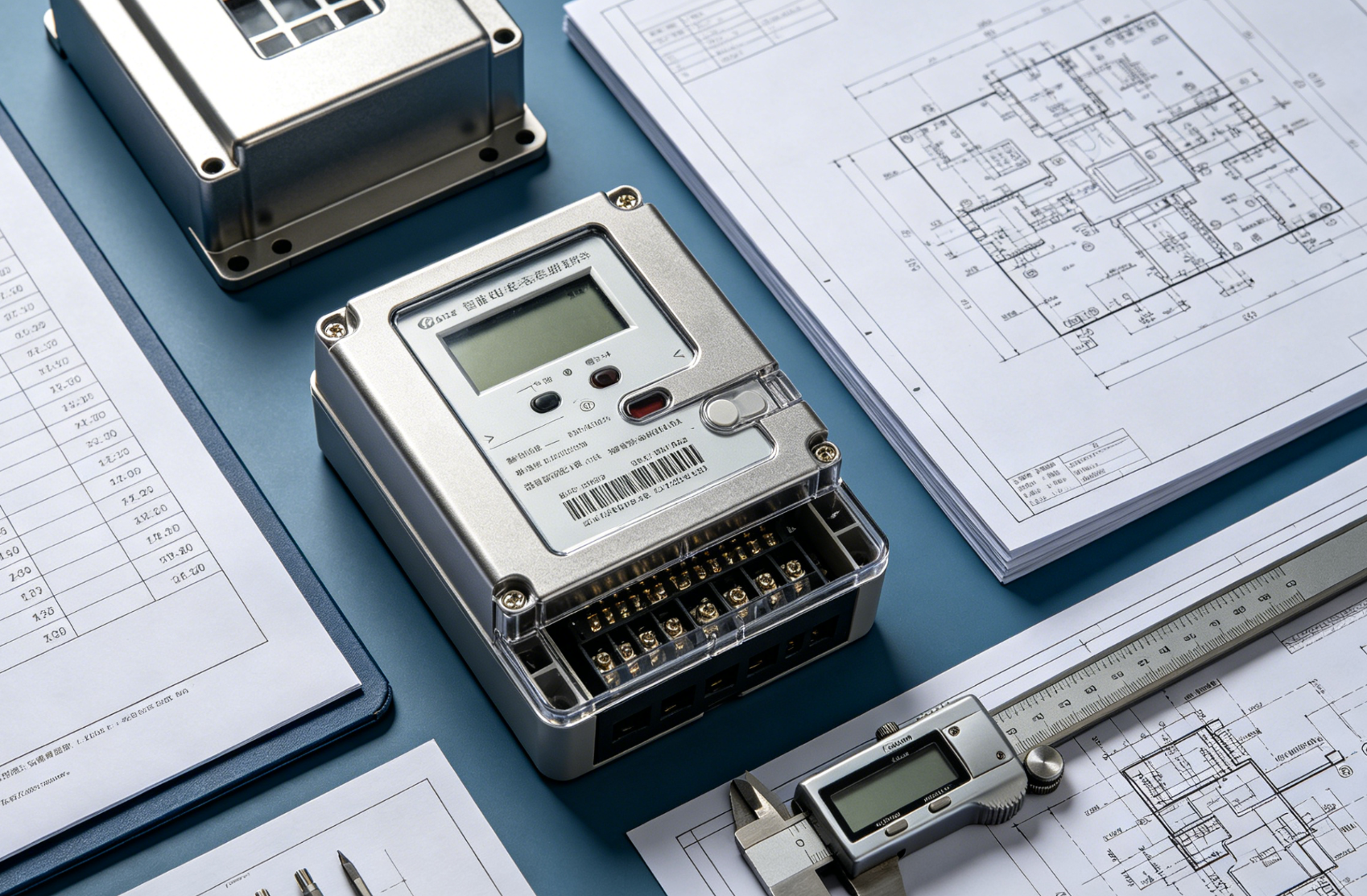
Some smart meter quotes look cheap because they do not fully reflect the real project requirement, the future production path, or the support needed after sample approval. Buyers can reduce this risk by confirming project conditions early, comparing what is really included in the quote, and evaluating supplier capability beyond the first price. In OEM smart meter sourcing, the safer quote is often the one that helps the project cost less later, not the one that only looks cheap at the beginning.
Contact Us
Looking for reliable smart meter components for your OEM project? Contact our team to discuss drawings, samples, technical requirements, and quotation details.