How shunts are produced
Shunts are typically made from materials with low resistance, high conductivity, and good stability over time. The most common material used for shunts is manganese-copper (MnCu) alloy, but other materials such as nickel-chromium (NiCr) and copper-nickel (CuNi) alloys are also used depending on the requirements of the application.
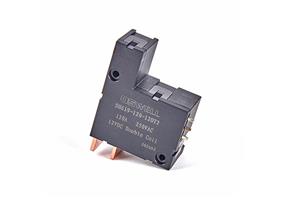
what is shunt?
Shunts are a type of resistor that is specifically designed to measure current. They work by creating a voltage drop across the resistor as a result of the current flowing through it. By measuring this voltage drop, we can calculate the current passing through the shunt using Ohm's law (I=V/R).

Precision current shunt resistors are becoming a key technology for improving electric vehicle battery safety, efficiency, and intelligent energy management. For EV manufacturers, battery system developers, and global component distributors, selecting a dependable shunt resistor supplier is essential for building reliable next-generation electric mobility solutions. With accurate current measurement, stable performance, and flexible customization capabilities, advanced shunt resistor technology will continue to support the growth of the global electric vehicle industry.
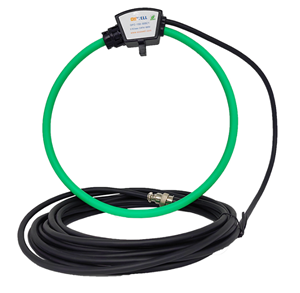
Before combining sensing and switching parts in one system, buyers should verify signal format, safety logic, and commissioning method together. That is what turns a parts list into a working product.
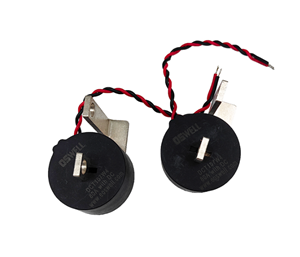
The right current sensing solution depends on signal type, isolation needs, accuracy target, installation constraints, and total lifecycle value. In metering, BMS, and power monitoring, the best answer is rarely universal. It is the option that fits the real electrical environment and reduces risk over the full operating life.
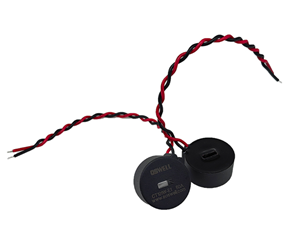
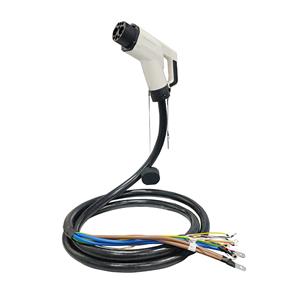
In conclusion, while often unseen within the charging station's enclosure, low-resistance, high-precision shunt sensors are fundamental components that underpin the entire EV charging ecosystem. They are critical for accurate revenue collection, ensuring operational safety, enabling fast charging protocols, and facilitating smart grid integration. Their performance directly impacts user trust, station profitability, and grid stability. As charging powers increase and V2X applications emerge, the demands on these components for higher accuracy, greater power handling, and unwavering reliability will only intensify. For international buyers and designers specifying components for next-generation charging infrastructure, partnering with a trusted, high-quality manufacturer like Oswell is a strategic imperative. It ensures access to the precise, reliable, and robust current sensing technology needed to build a trustworthy, efficient, and future-ready EV charging network.
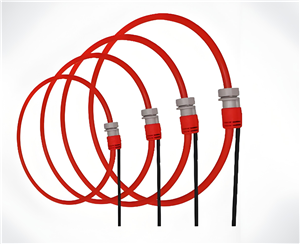
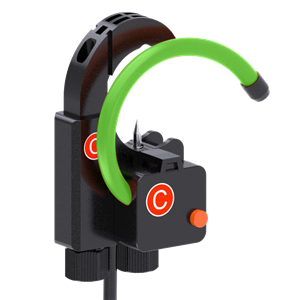
In the evolving landscape of electrical engineering, where waveforms are increasingly complex, the limitations of traditional measurement methods become starkly apparent. Oswell's Rogowski coils transcend these limitations by offering a blend of linearity, dynamic range, frequency response, and safety that is perfectly suited for the modern grid. They are not merely an alternative to traditional CTs; they are an enabling technology for accurate measurement in the age of power electronics and distributed generation, providing the clarity needed to optimize, protect, and innovate within increasingly sophisticated electrical ecosystems.
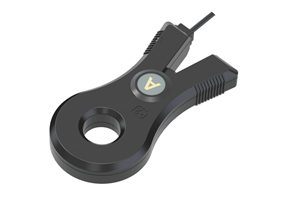
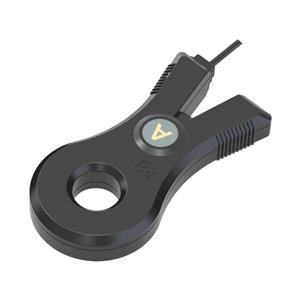
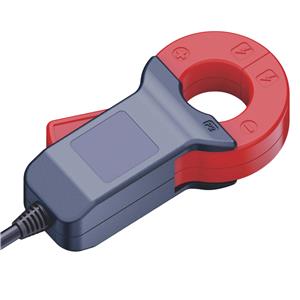
In the era of digital transformation, traditional current clamps—once merely tools for basic electrical current measurement—are evolving into intelligent monitoring terminals through the integration of Internet of Things (IoT) and Artificial Intelligence (AI) technologies. Modern smart current clamps are no longer limited to simple data acquisition; they now enable remote monitoring, predictive analytics, and automated diagnostics, revolutionizing how electrical systems are managed and maintained.