The integration of big current shunts into smart grids and IoT (Internet of Things) infrastructure allows for real-time monitoring and optimization of energy usage, fostering a more sustainable future. As renewable energy sources become more prevalent, these devices prove particularly valuable in balancing and regulating distributed power generation.
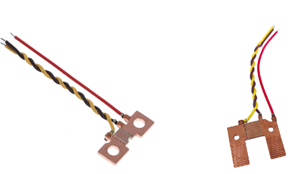
In the field of electrical engineering, Current Shunt Resistors are widely used for accurate current measurements. However, it is important to consider the thermal effects and temperature drift characteristics of these resistors to ensure their reliable performance. This article aims to explore the impact of thermal effects and temperature drift on Current Shunt Resistors and discuss strategies to mitigate their influence.
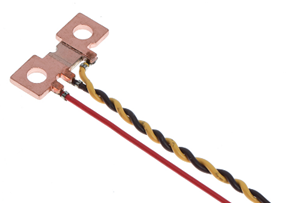
Accurately measuring current is crucial in circuit design. To achieve accurate current measurement, engineers often use a Current Shunt Resistor as a current sensing element. This article will delve into the importance of evaluating the accuracy and precision of Current Shunt Resistors, as well as discuss some commonly used evaluation methods.

A measurement method for parallel resistance of solar cells 1. The larger the series resistance is, the more the short circuit current drops, and the more the filling factor will accordingly; The smaller the shunt resistance, the greater the current, the more the open circuit voltage drops, and the more the fill factor drops.
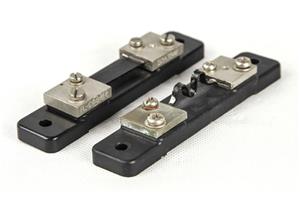
The 7550A is an ammeter with a measurement range from 1µA to 250A. The voltage on the shunt is switched to the internal four-and-a-half-digit AC and DC ammeter directly displayed by the five file-bit buttons and on the external output terminal. AC and DC current values with high accuracy and resolution.

Precision current shunt resistors are becoming a key technology for improving electric vehicle battery safety, efficiency, and intelligent energy management. For EV manufacturers, battery system developers, and global component distributors, selecting a dependable shunt resistor supplier is essential for building reliable next-generation electric mobility solutions. With accurate current measurement, stable performance, and flexible customization capabilities, advanced shunt resistor technology will continue to support the growth of the global electric vehicle industry.

Shunt resistors and current transformers each offer valuable advantages for smart meter design, but they serve different design priorities. Shunt resistors often stand out for economy, direct sensing, and compact integration. Current transformers often stand out for isolation, magnetic sensing structure, and suitability in certain robust metering architectures. The better choice depends on the actual meter platform, including cost target, thermal strategy, safety structure, integration method, and long-term reliability goals. By evaluating both sensing methods from a full system perspective, smart meter developers can make a more practical and more reliable design decision.
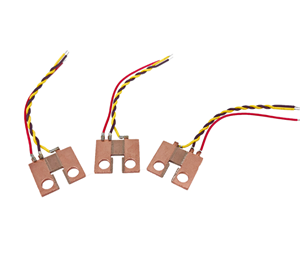
Before ordering a shunt resistor, buyers should check three things in depth: whether the resistance value matches the real current range and acceptable power loss, whether TCR and Kelvin sensing support accurate measurement under heat and parasitics, and whether power rating, drift, and traceability are strong enough for long-term use. A shunt resistor is not just a resistor. In many systems, it is the foundation of current measurement quality.
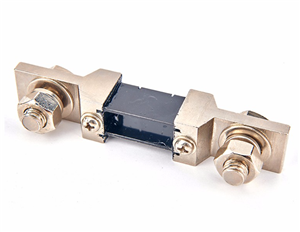
The shunt resistor, though small and often overlooked, plays an outsized role in the EV ecosystem. Its accuracy is the foundational data point upon which battery performance optimization and critical safety interventions are built. Inaccurate current sensing can lead to unreliable range estimates, accelerated battery degradation, and, in extreme cases, compromise vehicle safety. Investing in a high-precision, stable, and robustly engineered BMS shunt resistor, such as those from dedicated manufacturers, is not a cost but a strategic investment. It is an investment in driver confidence, vehicle performance, battery longevity, and above all, the fundamental safety that enables the widespread adoption of electric mobility. Precision in measurement is, therefore, the first and most crucial step towards a safe and efficient electric future.
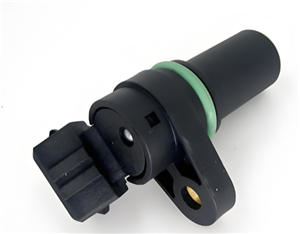
Shunt Sensors: The "Fuel Gauge" for EVs - Monitoring Charging/Discharging Currents in Real Time
Shunt sensors have emerged as the unsung heroes of the electric vehicle revolution, providing the critical current measurement capabilities that enable safe, efficient, and reliable operation. Through advanced manufacturing techniques and robust design principles, these components deliver the precision necessary for accurate battery management, energy monitoring, and system protection. As EVs continue to evolve toward higher performance and greater adoption, shunt sensors will remain essential components in the electrification ecosystem, faithfully serving as the "fuel gauges" that power the future of transportation.