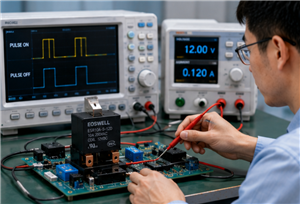
Selecting a latching relay for smart meter load control and remote disconnect requires more than checking a nominal current rating or one good sample result. The right relay should match the real load control duty, support stable contact behavior, respond reliably to pulse actuation, fit the PCB and enclosure design, and remain consistent in future batch production. When these points are reviewed together, buyers and engineers can reduce switching risk and support more reliable smart meter performance over the full project life cycle.
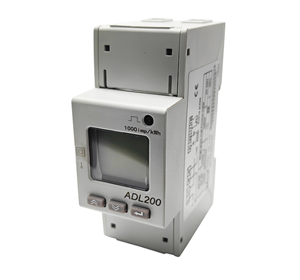
Choosing the right meter case for smart meter safety and durability requires more than comparing shape or cost. The right housing should support insulation confidence, material stability, sealing reliability, dimensional integration, and consistent large-scale production quality. When safety structure, environmental durability, internal fit, and supplier capability are evaluated together, smart meter developers can make a stronger enclosure decision. This helps reduce long-term field risk, improve assembly efficiency, and support more reliable meter performance throughout the product life cycle.
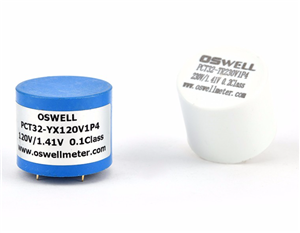
How To Match Latching Relays, Current Sensors, And Transformers To Smart Meter System Requirements
In smart meters, good component matching means relay duty, metrology accuracy, and system configuration all support the same product goal. When these three move together, the design becomes more reliable, easier to commission, and more scalable.
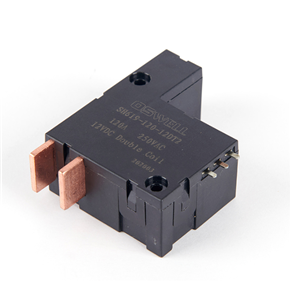
Before ordering a smart meter relay, buyers should check three things in depth: whether the relay truly matches the electrical load and drive architecture, whether reliability and standards are supported by meaningful test data, and whether the relay can stay consistent and integration-friendly in real production. A smart meter relay is not just a switching part. It is a field-risk component, a cost-of-ownership decision, and a key factor in long-term meter performance.