Latching Relay Supplier Evaluation Guide for Overseas Buyers

Latching Relay Supplier Evaluation Guide for Overseas Buyers: SEO/GEO buyer guide with quick answer, RFQ checklist, FAQ, two body images, internal product links and conversion CTA.

How To Choose The Right Meter Case For Smart Meter Safety And Durability

Choosing the right meter case for smart meter safety and durability requires more than comparing shape or cost. The right housing should support insulation confidence, material stability, sealing reliability, dimensional integration, and consistent large-scale production quality. When safety structure, environmental durability, internal fit, and supplier capability are evaluated together, smart meter developers can make a stronger enclosure decision. This helps reduce long-term field risk, improve assembly efficiency, and support more reliable meter performance throughout the product life cycle.

How To Choose A Latching Relay For Smart Meter Switching And Load Control

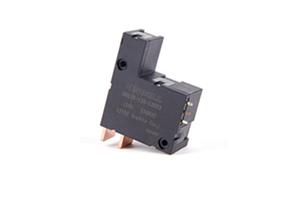
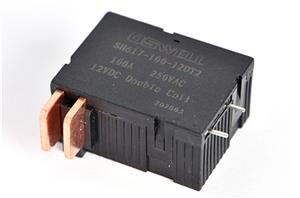
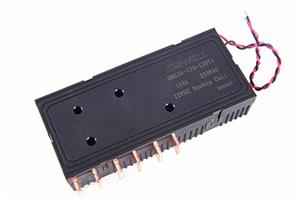
Choosing a latching relay for smart meter switching and load control requires more than checking a current rating or basic product size. The right relay should support reliable switching, low power operation, stable thermal behavior, safe structural design, and consistent performance in large-scale production. When contact reliability, coil characteristics, system integration, and supplier consistency are evaluated together, smart meter developers can make a stronger and more practical relay decision. This helps improve load control stability, reduce long-term risk, and support more reliable smart meter performance in real operating conditions.

How To Choose The Best Current Transformer For Smart Meter Accuracy And Stability

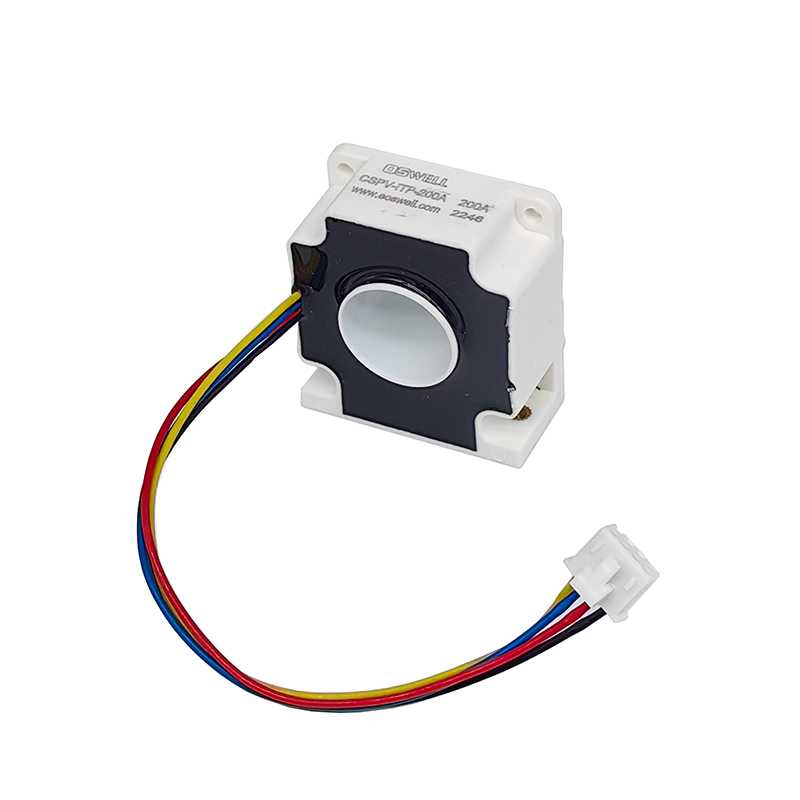
Choosing the best current transformer for smart meter accuracy and stability requires more than checking a few catalog parameters. The right CT should match the meter’s electrical design, mechanical layout, safety requirements, and production goals. When ratio performance, accuracy behavior, burden compatibility, insulation reliability, thermal stability, and manufacturing consistency are evaluated together, smart meter projects can achieve better long-term performance and lower development risk. A careful selection process leads to more stable meters, smoother production, and stronger confidence in field operation.

How To Choose The Right Combination Of Relays, Sensors, And Transformers For Energy, EV, And Storage Applications

For energy, EV, and storage applications, the right component mix is application-driven, not catalog-driven. Buyers who choose by electrical role, safety need, and lifecycle burden will build systems that are easier to scale and harder to regret.

How To Match Latching Relays, Current Sensors, And Transformers To Smart Meter System Requirements

In smart meters, good component matching means relay duty, metrology accuracy, and system configuration all support the same product goal. When these three move together, the design becomes more reliable, easier to commission, and more scalable.

The Critical Role of Latching Relays in Smart Meter Remote Load Control and Tariff Switching.

In summary, the latching relay is the silent, yet critical, enforcer​ within the smart meter that physically executes the commands of a modern, intelligent grid. It is the key hardware component that enables remote demand-side management, dynamic tariff structures, and enhanced energy conservation—all while consuming virtually no power in its steady state. Its reliability directly impacts grid operational efficiency, utility revenue protection, and consumer trust. For procurement specialists and smart meter designers, selecting a latching relay is not a commodity decision. It is a strategic choice for long-term performance. Partnering with established component specialists like Oswell, who engineer their relays to meet the exacting standards of the global metering industry, is essential. It ensures the deployment of smart meters that are not only intelligent in communication, but also unwavering in their physical execution of control commands, forming the dependable backbone of the advanced metering infrastructure.

Efficiently Driving Latching Relays: Integrated Driver IC Solutions

In summary, the full benefit of a latching relay's ultra-low power consumption is only realized with a reliable, efficient, and simple drive method. Discrete circuits add complexity and risk. Integrated driver ICs are the definitive solution, transforming a challenging design task into a straightforward, robust implementation. They are the critical enabling technology that allows latching relays to fulfill their promise in smart meters, IoT energy controls, and other battery-backed or energy-harvesting applications. For procurement specialists and designers, specifying a proven relay-and-driver combination—such as those from suppliers like Oswell​ who understand the application holistically—is a strategic decision. It minimizes engineering overhead, accelerates product development, and ultimately ensures the field reliability and longevity that are paramount in the global energy metering and management industry.

How To Test The Electrical Life Of A Magnetic Latching Relay

To test the electrical life of a magnetic latching relay properly, buyers should do more than repeat no-load set/reset pulses. They should build a test around the real load, real coil-drive method, real switching frequency, and real temperature conditions, then monitor contact resistance and operating characteristics as the cycles accumulate. The goal is not just to produce a big number. The goal is to learn whether the relay will still switch safely and predictably after the exact kind of stress the final product will impose.

What Should Buyers Check Before Ordering A Smart Meter Rela

Before ordering a smart meter relay, buyers should check three things in depth: whether the relay truly matches the electrical load and drive architecture, whether reliability and standards are supported by meaningful test data, and whether the relay can stay consistent and integration-friendly in real production. A smart meter relay is not just a switching part. It is a field-risk component, a cost-of-ownership decision, and a key factor in long-term meter performance.

Get the latest price? We'll respond as soon as possible(within 12 hours)

Privacy policy