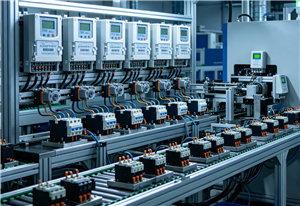
Selecting a latching relay that reduces smart meter failure risk requires more than checking a nominal current rating or product size. The right relay should provide stable contact performance, reliable actuation, sufficient switching margin, controlled thermal behavior, strong mechanical consistency, and dependable safety structure. When these factors are evaluated together under real application conditions, project teams can make stronger relay decisions, reduce hidden failure risk, and improve long-term smart meter reliability.

Home / Technical Guides / Pedestal EV Charging Station SupplierWhy Customization Matters When Choosing A Pedestal EV Charging Station SupplierIn pedestal EV charging projects, buyers often c

Home / Technical Guides / Pedestal EV Charging Station ApplicationsWhat Makes A Pedestal EV Charging Station Suitable For Fleets, Retail And Commercial Real EstateA pedestal EV charging stat

Home / Technical Guides / Pedestal EV Charger InstallationHow To Reduce Installation Problems In Pedestal EV Charging Station ProjectsIn pedestal EV charging station projects, installation p
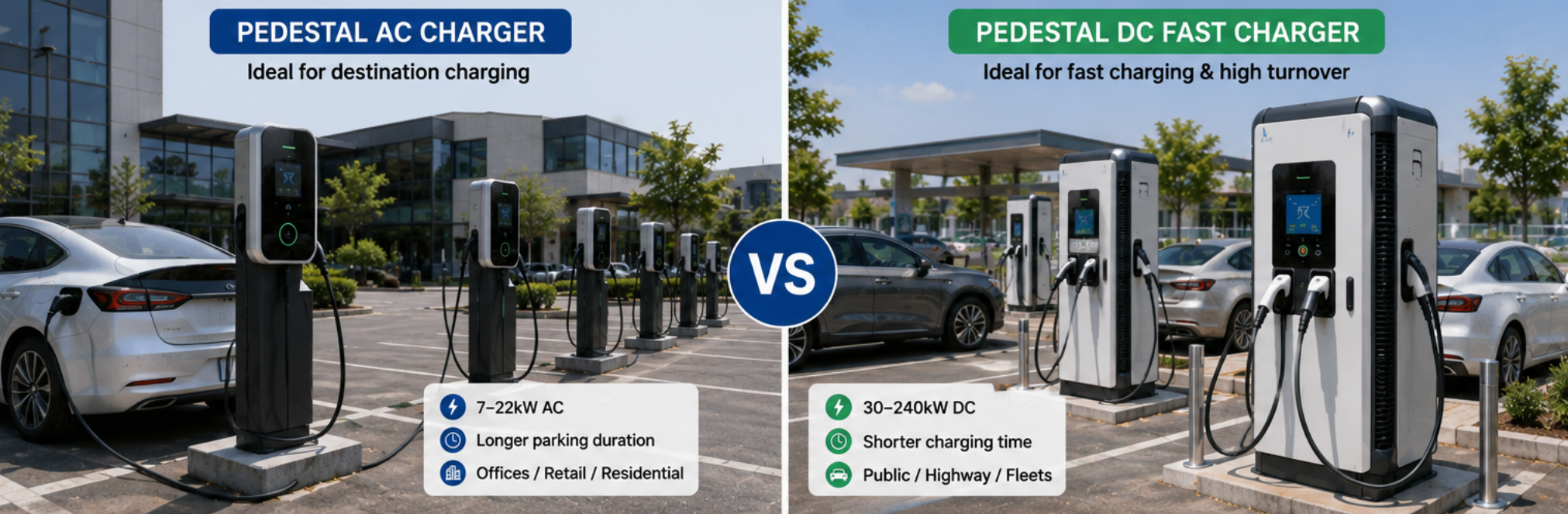
Home / Technical Guides / EV Charging Business ModelPedestal DC Fast Charger Or AC Charger: Which One Fits Your Business Model Better?Choosing between a pedestal DC fast charger and a pedest
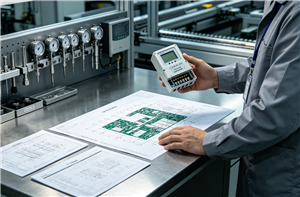
The smart meter components that usually cause delays before mass production are the ones that require deeper confirmation in electrical fit, structural fit, repeated-use stability, and future batch consistency. Current transformers, latching relays, and meter cases are often the most visible delay points, but shunt resistors and miniature voltage transformers can also slow the project when their real application conditions are not confirmed early. A stronger approval path reduces delay far more effectively than a faster but incomplete one.
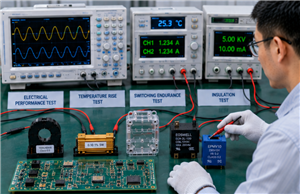
Before smart meter component mass production begins, the most important reliability tests should confirm electrical stability, thermal behavior, insulation confidence, endurance under repeated use, dimensional consistency, and batch readiness. When these checks are completed together and linked to the real project conditions, buyers and engineers can reduce production risk and move forward with much stronger confidence in quality and long-term reliability.
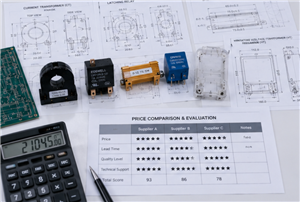
The price of smart meter components in OEM projects is affected by more than the component category alone. Technical requirement, customization level, tooling impact, testing expectation, order quantity, and RFQ clarity all influence the final quotation. When buyers understand these pricing drivers and provide clearer project information, they can receive faster, more accurate quotes and make better purchasing decisions with lower future project risk.
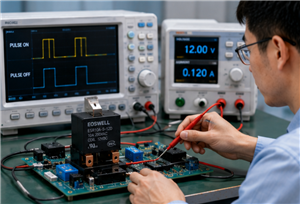
Selecting a latching relay for smart meter load control and remote disconnect requires more than checking a nominal current rating or one good sample result. The right relay should match the real load control duty, support stable contact behavior, respond reliably to pulse actuation, fit the PCB and enclosure design, and remain consistent in future batch production. When these points are reviewed together, buyers and engineers can reduce switching risk and support more reliable smart meter performance over the full project life cycle.
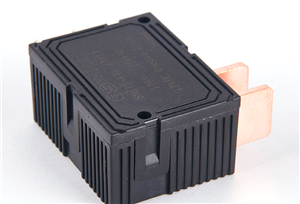
The SH1618-120-12DT2 and SH615-60-12DT2 magnetic latching relays are setting new benchmarks in energy infrastructure. These bistable relays require zero holding power - a critical feature enabling 15% energy savings in smart grid applications compared to traditional relays. Their 120A/60A switching capacities make them ideal for smart meter installations and renewable energy systems where low standby consumption is mandated by IEC 62053-21 standards.