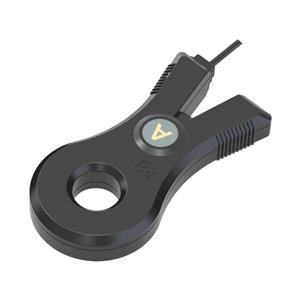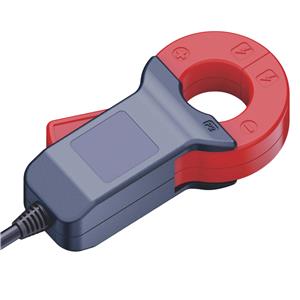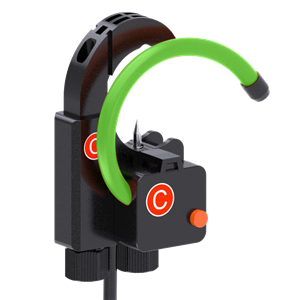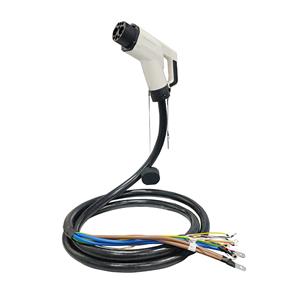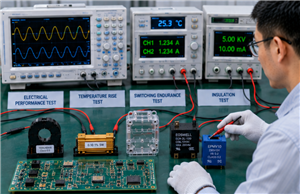
Before smart meter component mass production begins, the most important reliability tests should confirm electrical stability, thermal behavior, insulation confidence, endurance under repeated use, dimensional consistency, and batch readiness. When these checks are completed together and linked to the real project conditions, buyers and engineers can reduce production risk and move forward with much stronger confidence in quality and long-term reliability.
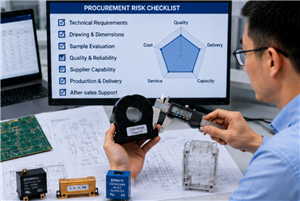
Reducing procurement risk when buying smart meter components from China requires more than checking price and delivery time. Buyers should confirm product fit, RFQ clarity, sample reliability, supplier process control, communication quality, and future batch readiness before moving forward. When these points are managed together, sourcing becomes more efficient, quotations become more accurate, and OEM smart meter projects become much easier to control.
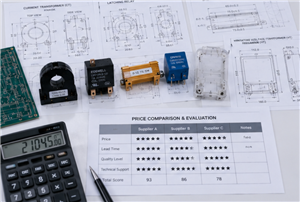
The price of smart meter components in OEM projects is affected by more than the component category alone. Technical requirement, customization level, tooling impact, testing expectation, order quantity, and RFQ clarity all influence the final quotation. When buyers understand these pricing drivers and provide clearer project information, they can receive faster, more accurate quotes and make better purchasing decisions with lower future project risk.
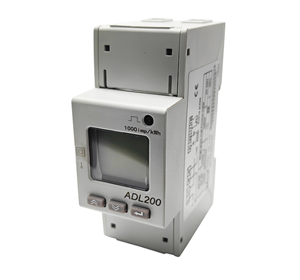
Choosing the right meter case for smart meter safety and durability requires more than comparing shape or cost. The right housing should support insulation confidence, material stability, sealing reliability, dimensional integration, and consistent large-scale production quality. When safety structure, environmental durability, internal fit, and supplier capability are evaluated together, smart meter developers can make a stronger enclosure decision. This helps reduce long-term field risk, improve assembly efficiency, and support more reliable meter performance throughout the product life cycle.