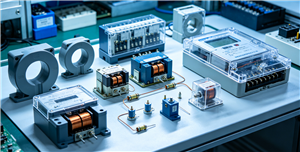
To check whether a smart meter component is really ready for mass production, buyers and engineers should look beyond a single sample result and confirm real application fit, system-level compatibility, repeatability, process relevance, practical stability, and future supplier continuity. When these points are reviewed together, the project becomes much less likely to face hidden delays or instability after the production schedule has already started.
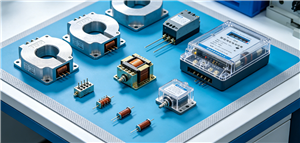
Avoiding sample approval mistakes in smart meter OEM projects requires more than confirming that the part works once in a basic review. Buyers and engineers should confirm application fit, dimensional relevance, electrical behavior, system-level compatibility, and future production readiness before approval. When these points are checked in a structured way, the project becomes much less likely to face hidden delays, repeated samples, or unstable batch performance later.
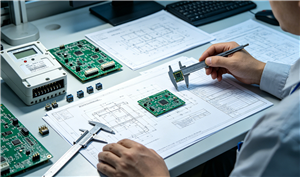
Before paying for smart meter samples, buyers should confirm the real application, the technical requirement, the purpose of the sample, the dimensional fit, the production relevance, and the supplier’s follow-up support. A stronger confirmation process makes sample payment much more useful, reduces repeated changes, and gives the project a clearer path toward approval and future OEM supply.

Smart meter samples often pass lab tests but fail in real projects because the lab test is only part of the picture. Real project success depends on application matching, system-level validation, long-term stability, and future batch consistency. When buyers and engineers confirm these points before approval, they can reduce redesign, avoid delayed mass production, and build a more reliable smart meter supply path.