Company News

Selection of Shunt Resistors
Due to its special function of shunt resistors, when used in precision electronic products, such as instruments, meters, and measuring devices, the resistor should be selected with special emphasis on accuracy. If the accuracy is not enough, it may cause the size of the shunt current to pass through a large Difference value projection, which directly leads to larger measurement errors, which would be meaningless measurements. In the same way, for other precision electronic information technology products, because the development of Chinese enterprises has high requirements, it is necessary for us to choose resistors with high precision.

In order to increase the cohesion of the company's employees, strengthen their sense of belonging, and promote employees' understanding and communication, so that each employee can truly feel the warmth of the big family of China Science and Technology after stressful work, the company organized employees with the theme of "Thanksgiving for you" Birthday party activities, to celebrate the birthday of employees in November, share happy moments!

The wire-wound chip inductor is based on the traditional wire-wound inductor production process, which transforms the plug-in inductor into a chip package, which reduces the volume of the inductor and is more convenient to use.
Oswell's approach to building lasting global partnerships rests on a powerful triad: uncompromising quality delivering reliable performance, flexible customization addressing specific needs, and forward-looking innovation driving mutual growth. By consistently exceeding expectations across these dimensions while maintaining transparent, collaborative relationships, Oswell transforms client engagements into strategic alliances built on trust, shared success, and a common vision for the future of electrical technology.
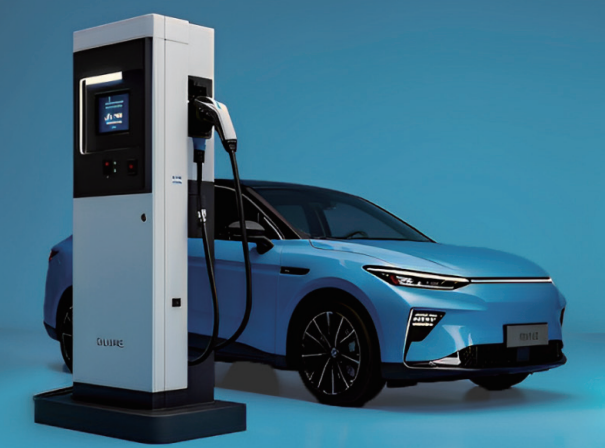
The successful partnership between this Mexican city and Oswell demonstrates how strategic infrastructure planning combined with advanced charging technology can accelerate the transition to sustainable transportation. The project has not only established a robust EV charging network but has also created a replicable model for other cities in Latin America seeking to implement similar sustainable mobility solutions. This case study highlights the importance of customized approaches that address local conditions while leveraging international technological expertise.
240kW ultra-fast DC chargers represent a transformative solution for long-distance EV travel, combining high-power delivery with sophisticated control systems and user-centric features. Their ability to provide rapid charging while maintaining efficiency, safety, and reliability makes them essential components in the evolving EV infrastructure landscape. As electric vehicle adoption accelerates and battery technologies advance, these charging systems will play a crucial role in enabling seamless long-haul mobility, ultimately supporting the global transition to sustainable transportation.
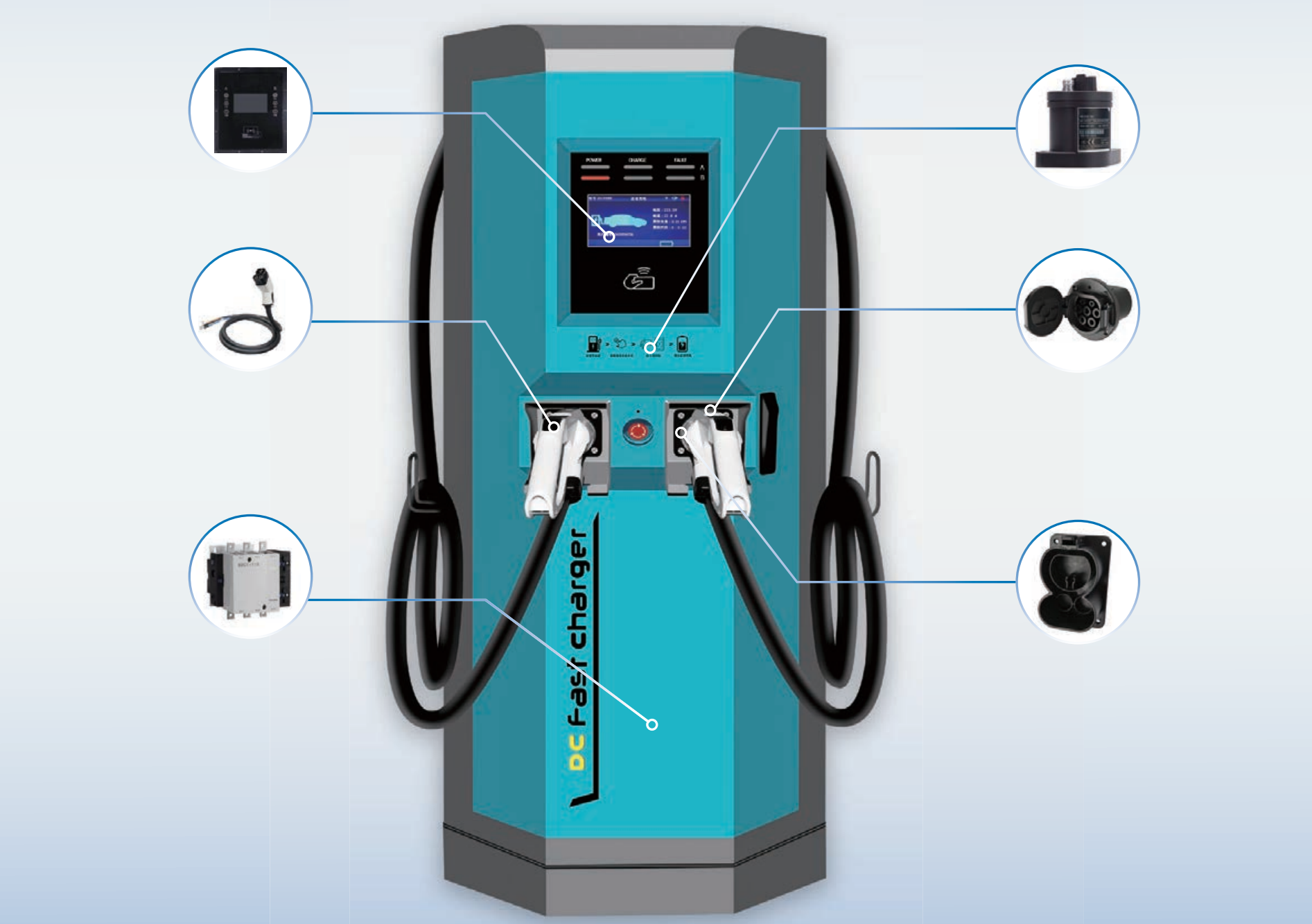
IP54 protection represents more than just a compliance standard—it embodies a comprehensive engineering philosophy that prioritizes reliability and safety in diverse operating environments. By integrating robust material selection, intelligent mechanical design, and rigorous testing protocols, weatherproof charging stations deliver uninterrupted service across geographical and climatic variations. As EV adoption accelerates globally, this level of protection becomes increasingly vital for ensuring charging infrastructure resilience, ultimately supporting the transition to sustainable transportation through dependable performance in all weather conditions.
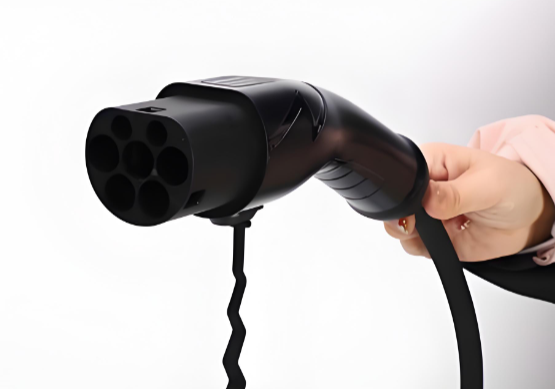
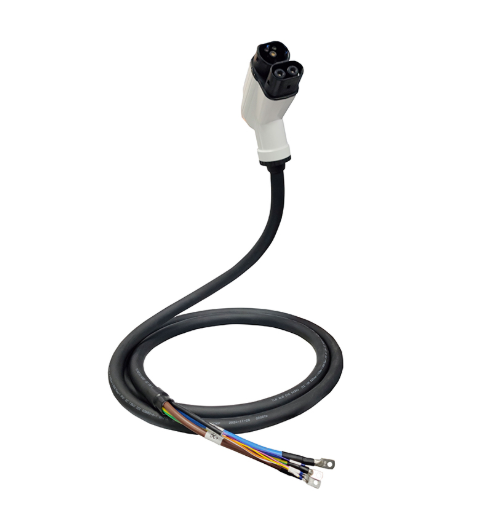
Type 2 charging guns have established themselves as the backbone of European EV charging infrastructure, combining technical sophistication with practical versatility. Their ability to handle both single-phase and three-phase power, coupled with robust safety features and smart communication capabilities, makes them indispensable for the continent's transition to electric mobility. As charging technology advances, Type 2 connectors will continue to evolve, maintaining their relevance in an increasingly electrified transportation ecosystem.
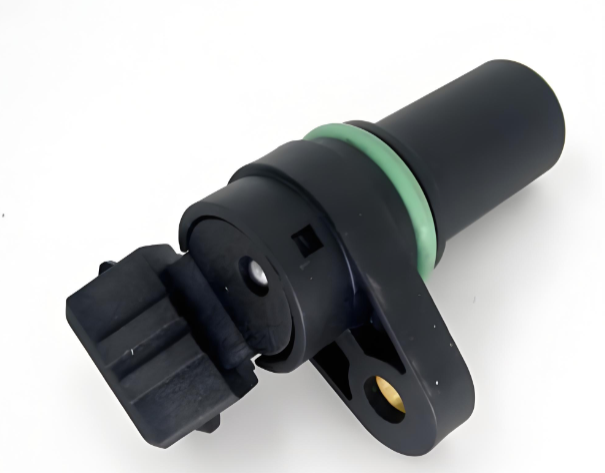
Shunt Sensors: The "Fuel Gauge" for EVs - Monitoring Charging/Discharging Currents in Real Time
Shunt sensors have emerged as the unsung heroes of the electric vehicle revolution, providing the critical current measurement capabilities that enable safe, efficient, and reliable operation. Through advanced manufacturing techniques and robust design principles, these components deliver the precision necessary for accurate battery management, energy monitoring, and system protection. As EVs continue to evolve toward higher performance and greater adoption, shunt sensors will remain essential components in the electrification ecosystem, faithfully serving as the "fuel gauges" that power the future of transportation.
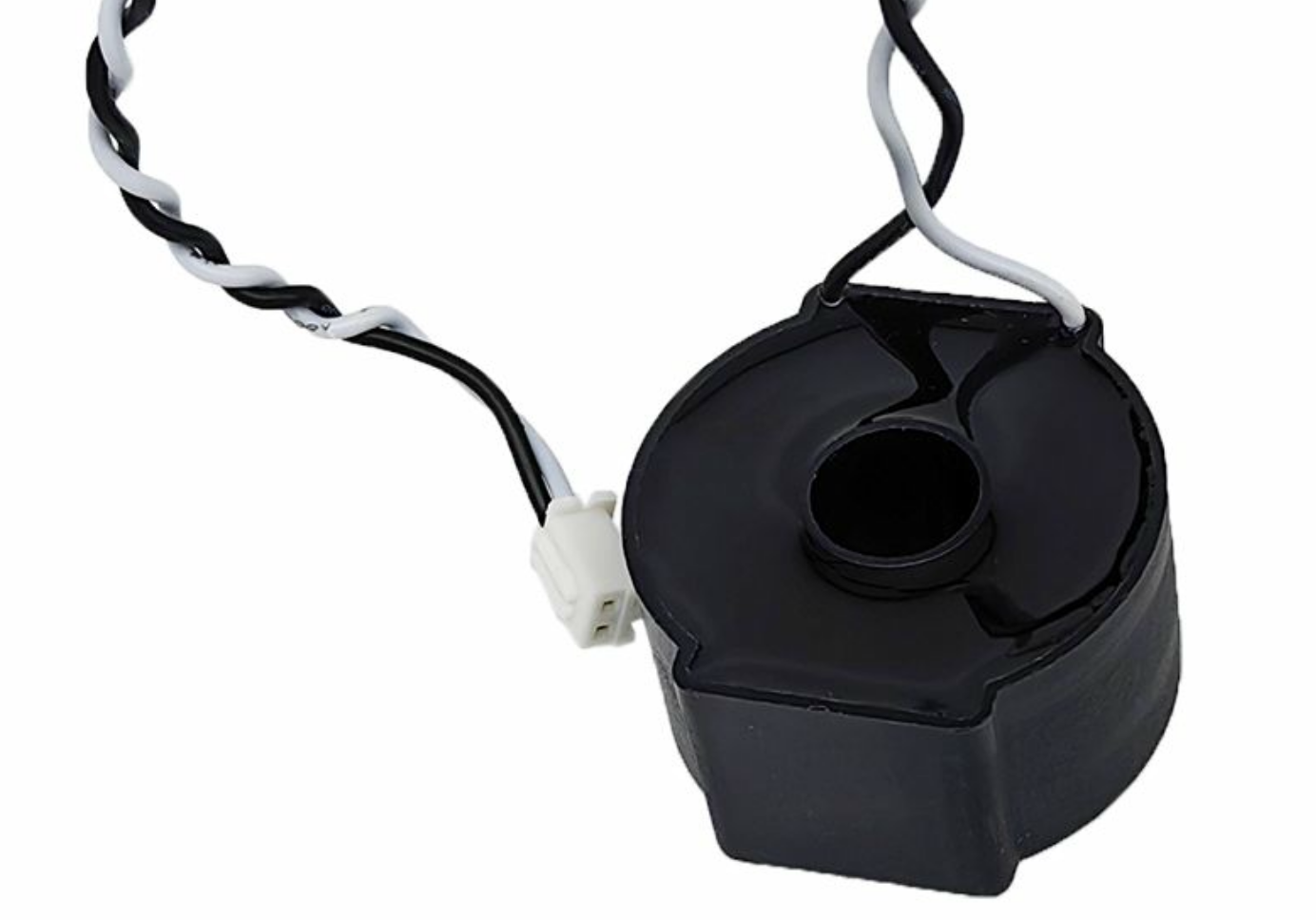
With the increasing complexity of modern electrical systems, DC-immune current transformers (CTs) have become essential for accurate current measurement in environments with DC offset or mixed AC/DC currents. The DCT105W-B3 120A CT with DC immunity represents a significant advancement in this field, offering precise current sensing even in the presence of DC components.