How to Choose Between a Split-Core CT and a Clamp-On CT for Energy Monitoring?

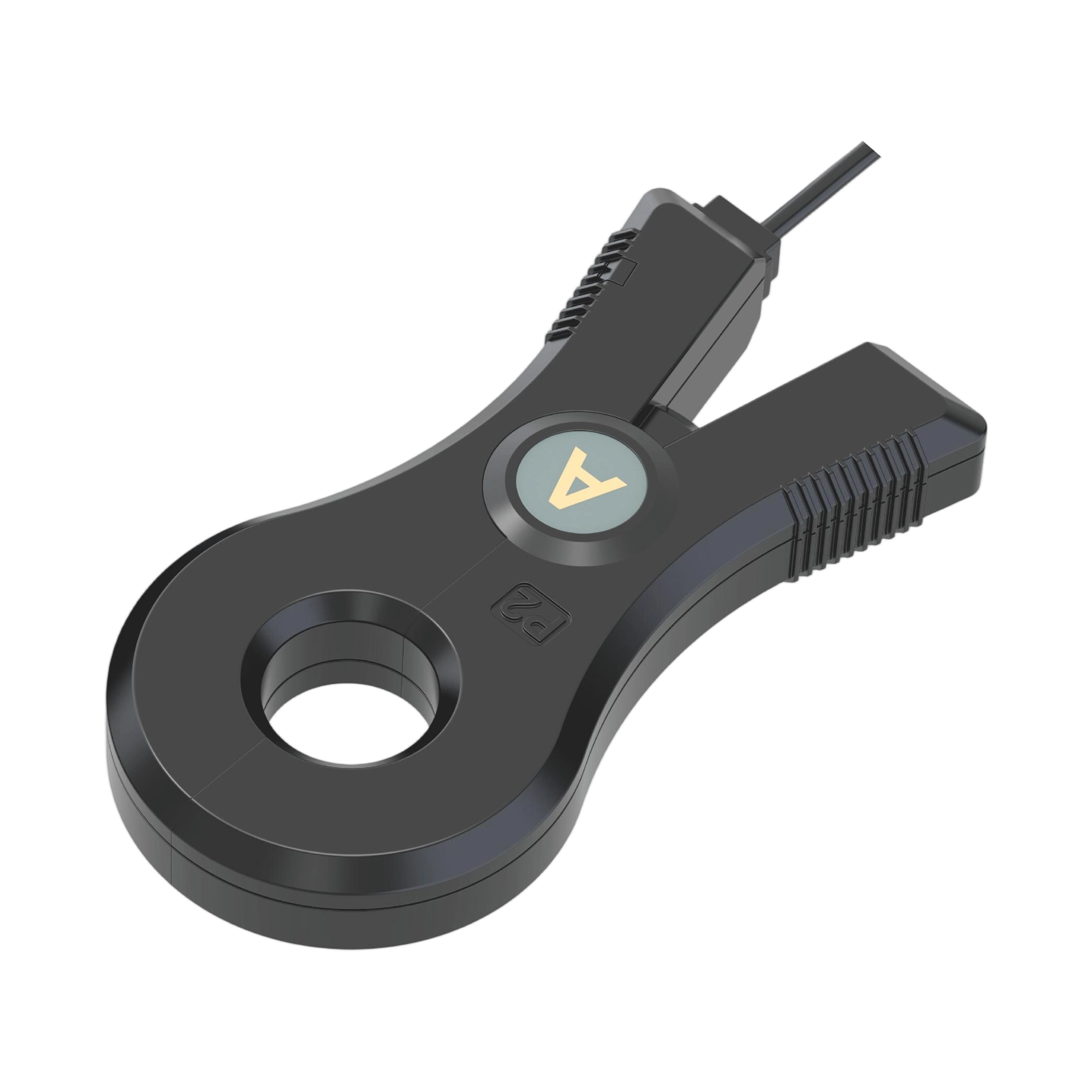
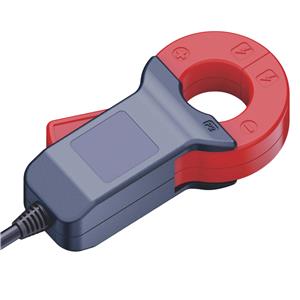
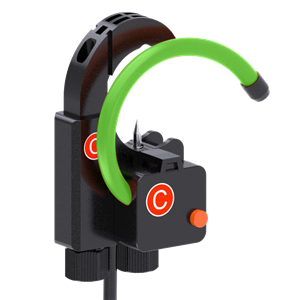
In summary, the choice between split-core and clamp-on CTs is not about which is universally better, but which is perfectly suited for your specific project constraints and goals. Prioritize split-core CTs for retrofit and maintenance-friendly permanent installations​ where avoiding downtime is critical. Opt for clamp-on CTs for new constructions, portable equipment, or applications demanding the highest possible baseline accuracy. As a global procurement specialist, partnering with a manufacturer like Oswell​ that offers a comprehensive range of both types, backed by rigorous manufacturing processes like automated winding and epoxy vacuum potting, ensures you receive components that deliver not just on specification, but on long-term field reliability and total cost of ownership. Making the informed choice optimizes both your installation budget and the integrity of your energy data for years to come.

What Should Buyers Check Before Ordering A Split-Core Clamp CT

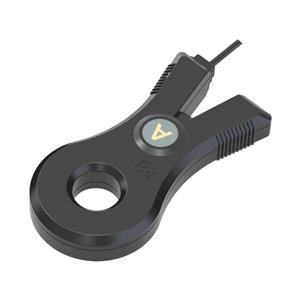
Before ordering a split-core clamp CT, buyers should check five things together: output compatibility, window and ratio fit, burden and accuracy behavior, polarity and installation rules, and long-term environmental and safety suitability. A split-core clamp CT is easy to install, but easy installation does not guarantee correct measurement. The better purchase is usually the one that matches the meter input, fits the conductor cleanly, preserves the required accuracy under real burden conditions, and remains safe to install and service over time.

Why Accuracy Class Matters In Split-Core CT Selection

Accuracy class matters in split-core CT selection because it defines measurement potential, but it also reveals something deeper: whether the CT can deliver that performance under the burden, phase, polarity, current range, and meter-input conditions of the real application. A split-core CT is easy to install, but easy installation does not guarantee trustworthy data. Buyers who choose accuracy class based on application risk, system compatibility, and total lifecycle value usually make far better decisions than buyers who compare current ratio and price alone.

How To Check If A Miniature Transformer Fits Smart Meter And Control Systems

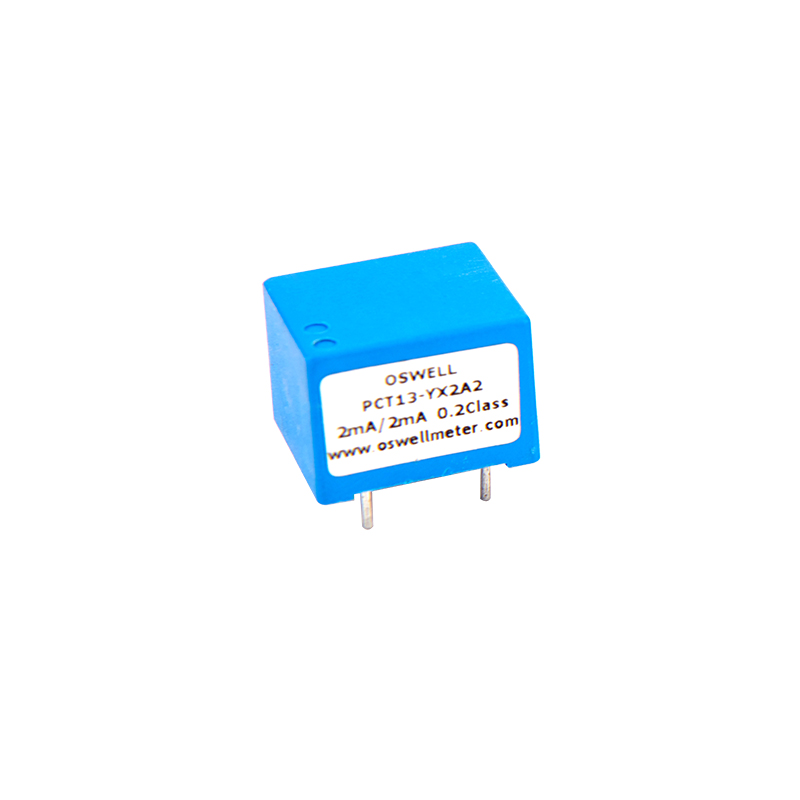
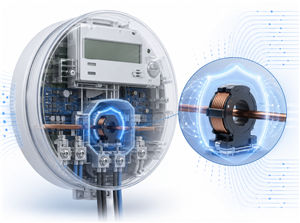
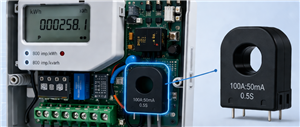
To check whether a miniature transformer fits a smart meter or control system, buyers should evaluate three levels together: electrical fit, system fit, and lifecycle fit. Electrical fit covers ratio, burden, accuracy, and phase behavior. System fit covers wiring topology, CT/VT settings, input compatibility, and safe connection behavior. Lifecycle fit covers physical integration, temperature performance, calibration potential, and long-term stability. When all three levels align, the miniature transformer becomes more than a component choice—it becomes a lower-risk decision for the entire product.

How To Evaluate Long-Term Operating Stability When Buying Electrical Components

Long-term operating stability should never be judged by initial appearance, short sample testing, or price alone. It should be evaluated through performance retention, thermal behavior, material reliability, life testing, batch consistency, and full-system risk. For procurement teams, the most valuable product is not simply the one that can pass a first test, but the one that can keep working accurately, safely, and consistently throughout the real service life of the project.

Reducing Energy Loss with Precision-Made Current Transformers

In the global pursuit of energy efficiency and grid modernization, every component counts. Precision-made Current Transformers, as exemplified by Oswell E-Group’s products, play a disproportionately large role in this endeavor. By fundamentally reducing internal core losses and providing the accurate, reliable data necessary for intelligent grid management, these components are indispensable tools for minimizing energy waste. The resulting savings enhance operational economics for utilities, empower consumers with trustworthy data, and collectively support broader environmental sustainability goals. Investing in precision CT technology is, therefore, a strategic move toward a more efficient and resilient energy future.

How Split-Core Current Transformers Simplify Installation and Retrofitting

In summary, split-core current transformers are a transformative solution for energy monitoring projects. They directly address the core challenges of installation cost, operational risk, and inflexibility by enabling live, non-intrusive deployment. By eliminating costly downtime, simplifying complex retrofits in tight spaces, and providing a foundation for future-proof scalability, split-core CTs, such as the innovative SDQ series, are not just a component but a strategic enabler. They empower businesses to deploy sophisticated monitoring with minimal disruption, turning energy data collection from a logistical hurdle into a straightforward, efficient, and continuously valuable process.

Global Provider of Metering Parts: Oswell's Market Position

In summary, Oswell’s market position as a global provider of metering parts is a multi-faceted advantage. It is built on a unique combination of deep, integrated component expertise and advanced manufacturing, strategically aligned with the powerful trends shaping the energy and technology sectors. Ultimately, Oswell succeeds by being more than a catalog supplier; it is a vertically-integrated, technically-engaged partner that delivers the precision, reliability, and innovation its global customers need to build the foundational devices for a smarter and more electrified world.

Comparing Split-Core and Solid-Core CTs

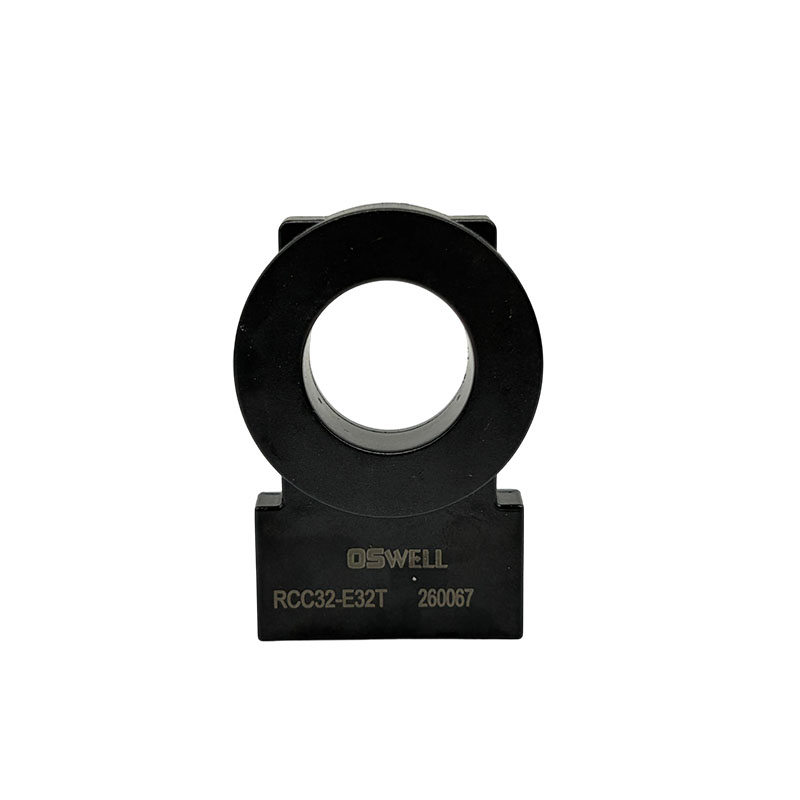
In conclusion, the choice between split-core and solid-core Current Transformers is not about which is universally "better," but about selecting the right tool for a specific application challenge. Solid-core CTs excel in environments where maximum accuracy, stability, and cost-efficiency for new installations are the priorities. Split-core CTs provide an indispensable, practical solution for modernizing existing infrastructure, enabling live installation, and facilitating energy audits and monitoring where system interruption is not an option. Understanding this core trade-off—between the theoretical performance perfection of a solid toroid and the unparalleled installation flexibility of a split-core design—is essential for engineers and project planners to deploy effective, reliable, and economical current sensing solutions.

CT Production: Ensuring Accuracy and Reliability

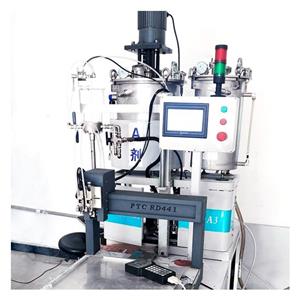
In conclusion, ensuring the accuracy and reliability of a Current Transformer is a holistic commitment that spans the entire production lifecycle. It starts with the precision engineering of core materials and windings, is solidified through protective processes like automated potting and advanced welding, and is unequivocally validated by exhaustive calibration and testing. Each step is interlinked, designed to eliminate variability and fortify the component against time and environmental stress. For manufacturers of energy meters and protection devices, partnering with a CT producer that masters this integrated approach—like Oswell with its automated production and test laboratories—is not just a procurement decision; it is a strategic investment in the foundational measurement integrity of their own end products.

Get the latest price? We'll respond as soon as possible(within 12 hours)

Privacy policy