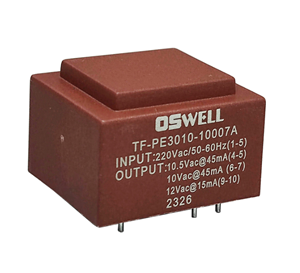
In conclusion, the power transformer is not a commodity but a strategically selected foundation component that directly influences the safety, accuracy, longevity, and field reliability of metering equipment. Its selection involves a careful analysis of isolation requirements, efficiency targets, size constraints, and the specific load characteristics of the meter's electronics. Compromising on transformer quality can lead to premature failures, measurement drift, or susceptibility to grid disturbances. Therefore, for meter manufacturers and procurement specialists, specifying power transformers from established, quality-focused suppliers like Oswell is a critical decision. It ensures access to components engineered with the right materials, construction techniques, and testing protocols to deliver consistent, reliable performance in the challenging real-world environments where meters operate, safeguarding the integrity of the revenue and data collection system.
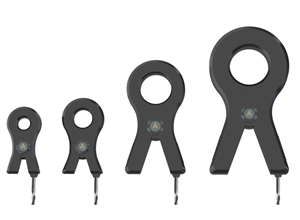
Portable Power Analysis: Using Clamp-On CTs for Temporary Load Studies and Troubleshooting
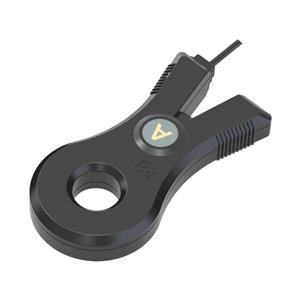
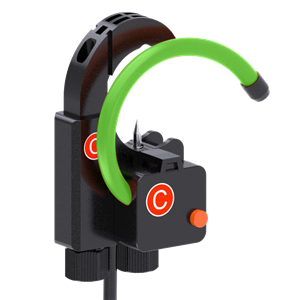
In summary, clamp-on current transformers are far more than just a simple testing accessory; they are an indispensable extension of the modern engineer's diagnostic toolkit. They empower professionals to safely and efficiently conduct load studies, perform deep energy audits, and execute precise troubleshooting without disrupting plant or building operations. The quality of the data gathered—and thus the value of the insights derived—is directly dependent on the accuracy, reliability, and safety of the clamp-on CTs used. For procurement specialists sourcing equipment for field service teams, specifying high-performance, durable tools from established manufacturers like Oswell is a direct investment in operational efficiency, preventive maintenance capability, and data-driven decision making. In the quest for energy efficiency and system reliability, the portable clamp-on CT remains a fundamental and powerful sensor for unlocking electrical intelligence anywhere, anytime.
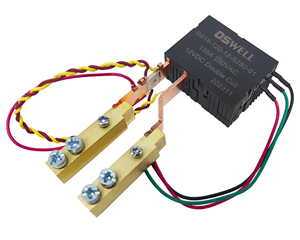
In summary, the full benefit of a latching relay's ultra-low power consumption is only realized with a reliable, efficient, and simple drive method. Discrete circuits add complexity and risk. Integrated driver ICs are the definitive solution, transforming a challenging design task into a straightforward, robust implementation. They are the critical enabling technology that allows latching relays to fulfill their promise in smart meters, IoT energy controls, and other battery-backed or energy-harvesting applications. For procurement specialists and designers, specifying a proven relay-and-driver combination—such as those from suppliers like Oswell who understand the application holistically—is a strategic decision. It minimizes engineering overhead, accelerates product development, and ultimately ensures the field reliability and longevity that are paramount in the global energy metering and management industry.
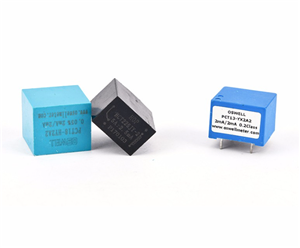
The right voltage ratio for a miniature voltage transformer is the ratio that scales the real primary voltage into the intended input range of the meter or control device, while still maintaining the needed accuracy under the actual burden and wiring scheme. In practice, that means buyers should check five things together: system voltage, target secondary voltage, burden level, device configuration method, and insulation context. When those five line up, ratio selection becomes straightforward. When they do not, even a technically “correct” ratio can become the wrong purchasing decision.
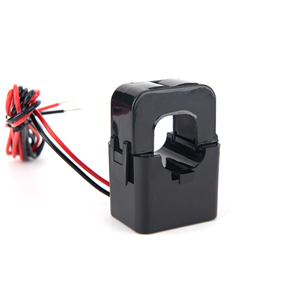
Accuracy class matters in split-core CT selection because it defines measurement potential, but it also reveals something deeper: whether the CT can deliver that performance under the burden, phase, polarity, current range, and meter-input conditions of the real application. A split-core CT is easy to install, but easy installation does not guarantee trustworthy data. Buyers who choose accuracy class based on application risk, system compatibility, and total lifecycle value usually make far better decisions than buyers who compare current ratio and price alone.
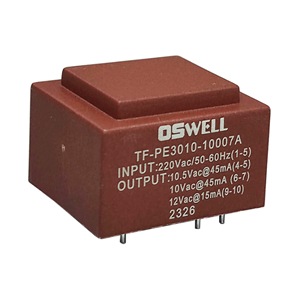
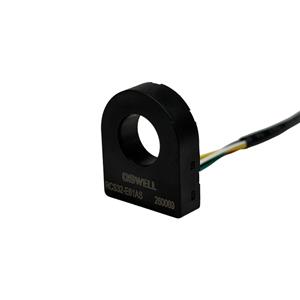
To check whether a miniature transformer fits a smart meter or control system, buyers should evaluate three levels together: electrical fit, system fit, and lifecycle fit. Electrical fit covers ratio, burden, accuracy, and phase behavior. System fit covers wiring topology, CT/VT settings, input compatibility, and safe connection behavior. Lifecycle fit covers physical integration, temperature performance, calibration potential, and long-term stability. When all three levels align, the miniature transformer becomes more than a component choice—it becomes a lower-risk decision for the entire product.
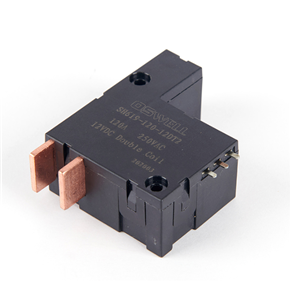
Before ordering a smart meter relay, buyers should check three things in depth: whether the relay truly matches the electrical load and drive architecture, whether reliability and standards are supported by meaningful test data, and whether the relay can stay consistent and integration-friendly in real production. A smart meter relay is not just a switching part. It is a field-risk component, a cost-of-ownership decision, and a key factor in long-term meter performance.
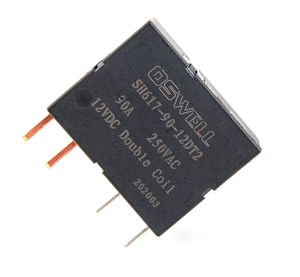
The debate between latching and standard relays in energy meters is decisively tilted towards latching technology in the era of smart, efficient grids. The latching relay's zero-power holding, superior reliability, and inherent fail-safe memory function address the critical needs of modern metering: minimizing system energy loss, ensuring long-term operational integrity, and enabling advanced tariff and load control features. While standard relays have their place in simpler applications, the latching relay, especially when engineered with the precision and quality focus of a supplier like Oswell E-Group, represents the intelligent, future-proof choice for building reliable, efficient, and full-featured energy measurement systems.
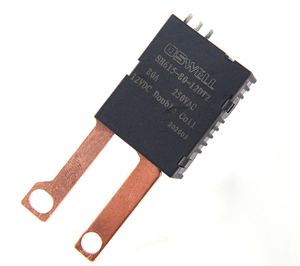
The 60A latching relay is a pivotal component in the evolution of smart grid technology. It masterfully solves the fundamental conflict between the need for reliable, high-current switching and the imperative for ultra-low power consumption. By operating on brief energy pulses and maintaining state with zero holding power, it enables the advanced functionalities of AMI—such as dynamic tariffing and remote load control—while drastically reducing system losses. Its inherent reliability, safety features, and long service life make it the only viable choice for deploying these functions on a massive scale. For meter manufacturers, utilities, and system integrators, specifying a high-quality 60A latching relay is not merely a component selection; it is a strategic investment in building a more efficient, responsive, and resilient electrical infrastructure for the future.
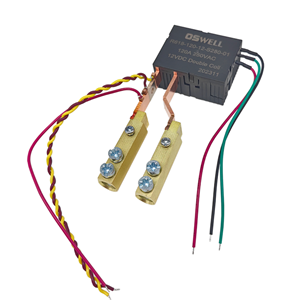
In summary, the latching relay is not merely a switch within a smart energy meter; it is a strategic component that addresses core challenges of power efficiency, long-term reliability, and advanced functionality. By eliminating standby power draw, it unlocks decade-long battery life and enables new, autonomous meter designs. Its inherent thermal and mechanical stability ensures operational integrity over the meter's extended lifespan. Finally, its bistable, pulse-driven nature is the perfect interface for executing remote commands and smart grid functions, from prepayment to demand response. Specifying a high-quality latching relay, therefore, is a fundamental design decision that directly impacts the performance, longevity, and intelligence of the smart metering system.