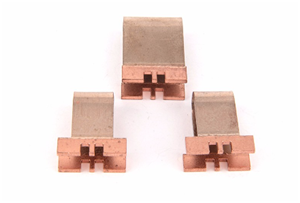
Advantages of Precision Shunt Resistors
Highlighting the advantages of using precision shunt resistors, such as their high accuracy, low temperature coefficient, excellent stability, and ability to handle high power dissipation.
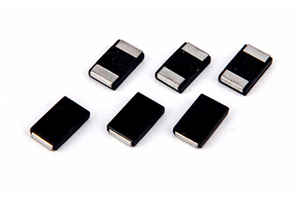
Comparing Precision Shunt Resistors with Other Current Measurement Techniques: Comparing precision shunt resistors with alternative current measurement techniques, such as Hall effect sensors and current transformers, discussing the advantages and limitations of each method.
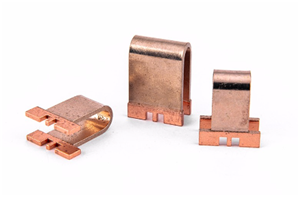
Future Trends in Precision Shunt Resistors: Exploring emerging trends and advancements in precision shunt resistors, such as the miniaturization of components, the integration of temperature compensation techniques, and the development of higher power handling capabilities.
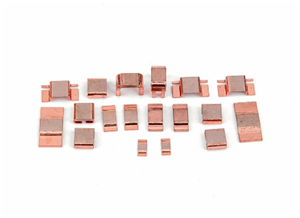
Types of Precision Shunt Resistors
In summary, precision shunt resistors play a vital role in accurate current measurement and control. Metal foil resistors, thin film resistors, and wirewound resistors are three primary types available in the market, each with its unique features and applications. Metal foil resistors are known for their stability and precision, thin film resistors for their low noise and linearity, and wirewound resistors for their high power handling capabilities. Selecting the most suitable type depends on the specific requirements of the application, such as accuracy, stability, power dissipation, and temperature coefficients.

A measurement method for parallel resistance of solar cells 1. The larger the series resistance is, the more the short circuit current drops, and the more the filling factor will accordingly; The smaller the shunt resistance, the greater the current, the more the open circuit voltage drops, and the more the fill factor drops.
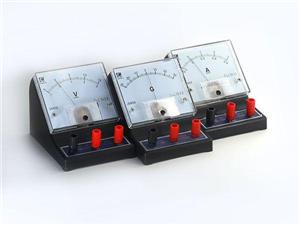
Motor test measurements usually require ammeters to be equipped with multiple shunt units to solve the problem of ensuring the desired measurement accuracy over a larger measurement range. At this point, the rated voltage drop of all shunt used must match that of the ammeter (e.g. 75 mV).

Surface temperature of shunt resistor
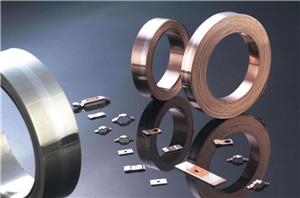
What is a shunt resistor? A shunt resistor is a resistor with a small resistance value for measuring DC current. It is made according to the principle of a voltage drop across the resistor when the DC current passes through the resistor, and converts the current signal into a voltage signal for DC current detection.
Selection of Shunt Resistors
Due to its special function of shunt resistors, when used in precision electronic products, such as instruments, meters, and measuring devices, the resistor should be selected with special emphasis on accuracy. If the accuracy is not enough, it may cause the size of the shunt current to pass through a large Difference value projection, which directly leads to larger measurement errors, which would be meaningless measurements. In the same way, for other precision electronic information technology products, because the development of Chinese enterprises has high requirements, it is necessary for us to choose resistors with high precision.

In order to increase the cohesion of the company's employees, strengthen their sense of belonging, and promote employees' understanding and communication, so that each employee can truly feel the warmth of the big family of China Science and Technology after stressful work, the company organized employees with the theme of "Thanksgiving for you" Birthday party activities, to celebrate the birthday of employees in November, share happy moments!

Precision current shunt resistors are becoming a key technology for improving electric vehicle battery safety, efficiency, and intelligent energy management. For EV manufacturers, battery system developers, and global component distributors, selecting a dependable shunt resistor supplier is essential for building reliable next-generation electric mobility solutions. With accurate current measurement, stable performance, and flexible customization capabilities, advanced shunt resistor technology will continue to support the growth of the global electric vehicle industry.