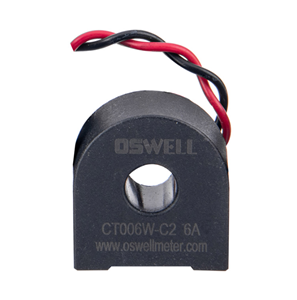
The most important reliability tests for smart meter components before mass production are the ones that verify real long-term stability rather than only initial function. Thermal testing, electrical and insulation checks, endurance evaluation, environmental stress review, structural validation, and batch consistency comparison all play a key role in reducing launch risk. When these tests are selected according to the real application and combined with system-level verification, project teams can move into mass production with stronger confidence, better quality control, and lower field failure risk.
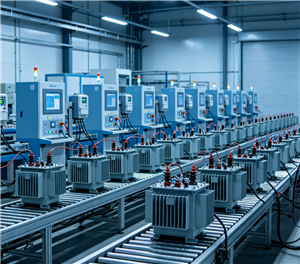
DC immunity matters in smart meter current transformer selection because it helps protect measurement accuracy, system stability, and long-term reliability under real operating conditions. In applications where DC-related magnetic bias may affect CT behavior, choosing a design with better immunity can reduce hidden metering risk and support more consistent performance from calibration to field use. For modern smart meter projects, DC immunity is not just an added feature. It is an important part of choosing a CT that can perform reliably in practical, demanding environments.
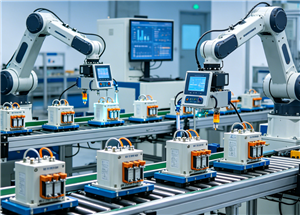
The right accuracy class for a metering current transformer depends on what the meter is expected to achieve in actual use. High-precision applications may require tighter control, while standard or cost-sensitive projects often benefit more from a balanced and practical choice. The best selection comes from matching the class to the metering objective, operating range, thermal conditions, and supply consistency rather than simply choosing the highest specification available. When accuracy class is evaluated together with real system needs, metering projects become more reliable, more efficient, and easier to control from design to mass production.
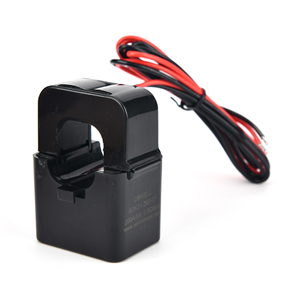
In conclusion, ensuring the accuracy and reliability of a Current Transformer is a holistic commitment that spans the entire production lifecycle. It starts with the precision engineering of core materials and windings, is solidified through protective processes like automated potting and advanced welding, and is unequivocally validated by exhaustive calibration and testing. Each step is interlinked, designed to eliminate variability and fortify the component against time and environmental stress. For manufacturers of energy meters and protection devices, partnering with a CT producer that masters this integrated approach—like Oswell with its automated production and test laboratories—is not just a procurement decision; it is a strategic investment in the foundational measurement integrity of their own end products.
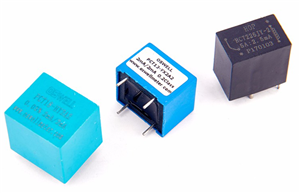
Current Transformers are indispensable safety guardians in smart grids, functioning on multiple levels. They provide the foundational data for rapid fault protection, enable intelligent monitoring and predictive maintenance to prevent failures, and are crucial for managing the stability challenges introduced by renewable energy. The reliability, accuracy, and advanced features of CTs from established manufacturers like Oswell are therefore not just a matter of measurement quality but a cornerstone of building a safer, more resilient, and intelligent electrical infrastructure for the future.
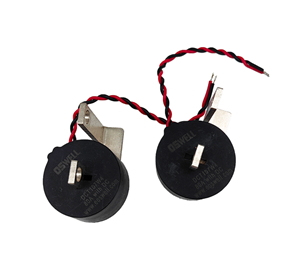
What is a Current Transformer
In summary, the current transformer is a fundamental component that enables the safe, accurate, and reliable operation of modern electrical networks. By stepping down high currents and providing essential isolation, CTs facilitate precise measurement, robust protection, and effective energy management. Oswell’s dedication to technological innovation and quality assurance positions it as a trusted provider of current transformers, empowering the development of smarter and more resilient power infrastructures globally.