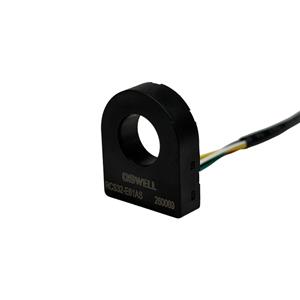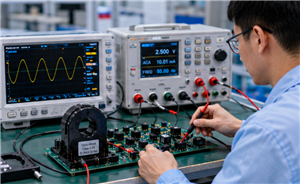
Choosing a current transformer for smart meter projects without causing accuracy problems requires more than checking rated current or one good sample result. The right CT should match the real operating range, burden condition, linearity target, mounting structure, insulation needs, and supplier batch consistency requirements of the project. When these points are reviewed together, buyers and engineers can reduce calibration trouble, avoid hidden measurement errors, and support more reliable long-term smart meter performance.
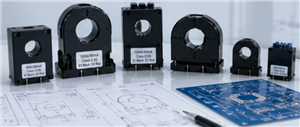
Buyers should provide clear application, electrical, dimensional, installation, safety, and project information before requesting a smart meter CT quote. Doing so helps the supplier recommend the right model faster, reduces repeated communication, improves quotation accuracy, and shortens the sampling and decision process. A better CT RFQ leads to a better quotation, and a better quotation usually leads to a smoother smart meter project.
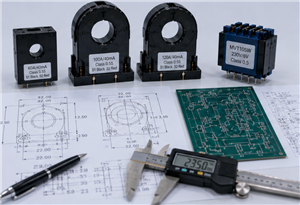
Buyers should check application fit, electrical behavior, dimensional compatibility, insulation confidence, thermal stability, and future batch consistency before approving a metering current transformer sample. A stronger sample approval process reduces redesign risk, avoids hidden accuracy problems, and improves confidence in the next quotation and mass-production stage. In smart meter projects, better sample approval leads to better final component decisions.
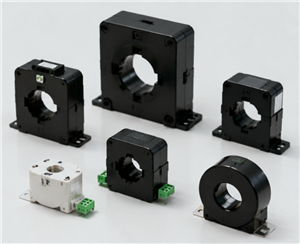
Selecting the right current transformer is essential for achieving accurate and reliable power measurement in smart meters and monitoring systems. Factors such as accuracy class, current ratio, environmental performance, and supplier capability all influence the final system performance. For smart meter manufacturers and global procurement teams, partnering with an experienced current transformer supplier can help build more reliable, efficient, and future-ready energy measurement solutions.
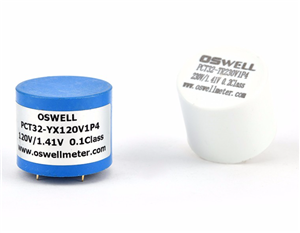
How To Match Latching Relays, Current Sensors, And Transformers To Smart Meter System Requirements
In smart meters, good component matching means relay duty, metrology accuracy, and system configuration all support the same product goal. When these three move together, the design becomes more reliable, easier to commission, and more scalable.

In conclusion, Current Transformers are far more than simple metering devices; they are the indispensable bridge that connects the physical electrical grid with the digital world of smart management. They are fundamental to grid safety, renewable integration, and operational intelligence. As grids become more decentralized, dynamic, and data-driven, the demand for CTs that offer exceptional accuracy, robust construction for harsh environments, and long-term reliability will only intensify. For international procurement specialists building the grids of the future, partnering with proven component manufacturers like Oswell is a strategic decision. It ensures access to core sensing technology that is not just a commodity, but a critical enabler for a stable, efficient, and sustainable energy ecosystem powered by smart grids and widespread renewable energy.
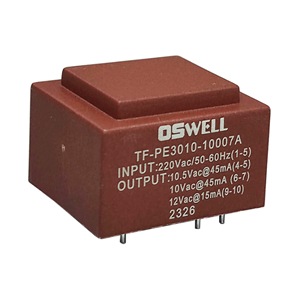
To check whether a miniature transformer fits a smart meter or control system, buyers should evaluate three levels together: electrical fit, system fit, and lifecycle fit. Electrical fit covers ratio, burden, accuracy, and phase behavior. System fit covers wiring topology, CT/VT settings, input compatibility, and safe connection behavior. Lifecycle fit covers physical integration, temperature performance, calibration potential, and long-term stability. When all three levels align, the miniature transformer becomes more than a component choice—it becomes a lower-risk decision for the entire product.
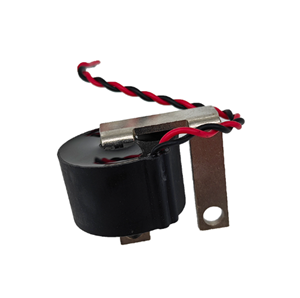
Current transformers truly deserve their designation as the "heart" of electricity meters, providing the critical functionality that enables precise energy measurement and fair billing practices. Through advanced engineering, rigorous manufacturing standards, and adaptable designs, these components form the foundation of trustworthy energy management systems. As electrical networks become increasingly complex with the integration of renewable sources and smart technologies, the evolution of current transformer technology will continue to play a vital role in ensuring measurement accuracy, system reliability, and consumer confidence in the evolving energy landscape.