Technical Guides
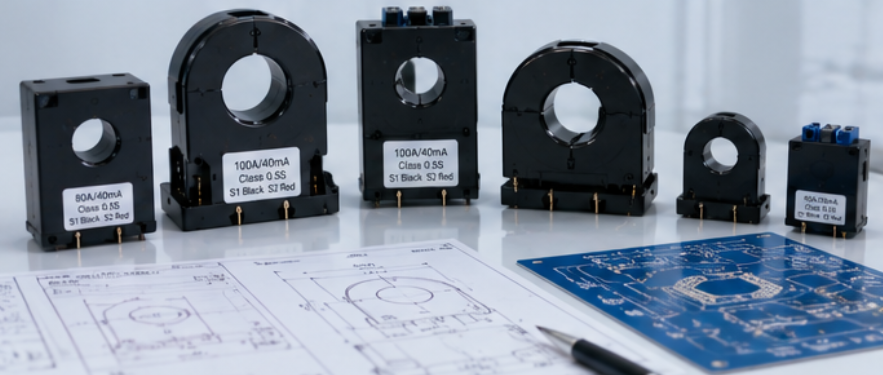
Buyers should provide clear application, electrical, dimensional, installation, safety, and project information before requesting a smart meter CT quote. Doing so helps the supplier recommend the right model faster, reduces repeated communication, improves quotation accuracy, and shortens the sampling and decision process. A better CT RFQ leads to a better quotation, and a better quotation usually leads to a smoother smart meter project.
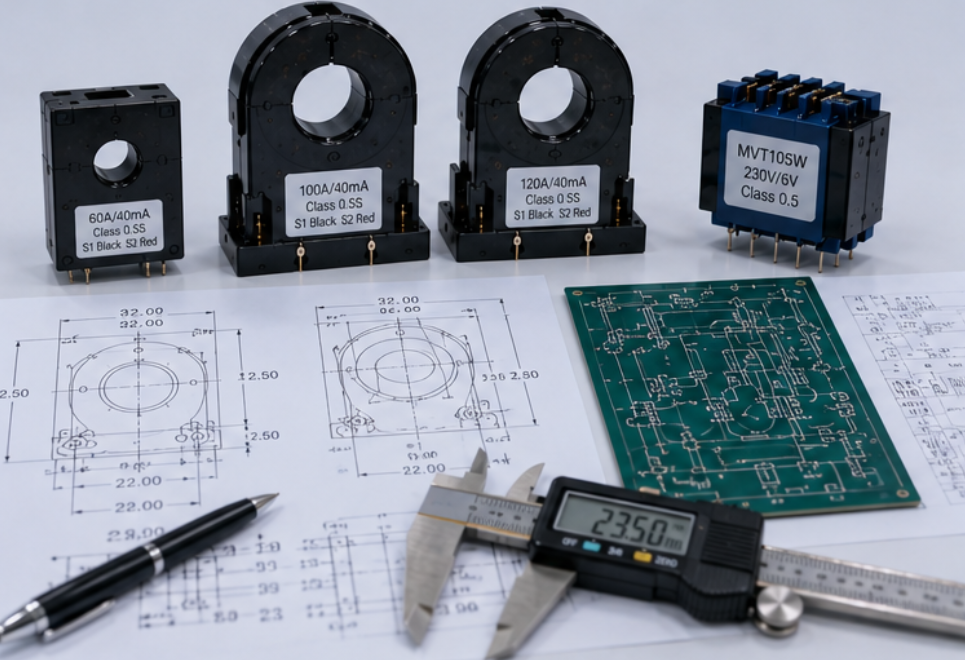
Buyers should check application fit, electrical behavior, dimensional compatibility, insulation confidence, thermal stability, and future batch consistency before approving a metering current transformer sample. A stronger sample approval process reduces redesign risk, avoids hidden accuracy problems, and improves confidence in the next quotation and mass-production stage. In smart meter projects, better sample approval leads to better final component decisions.
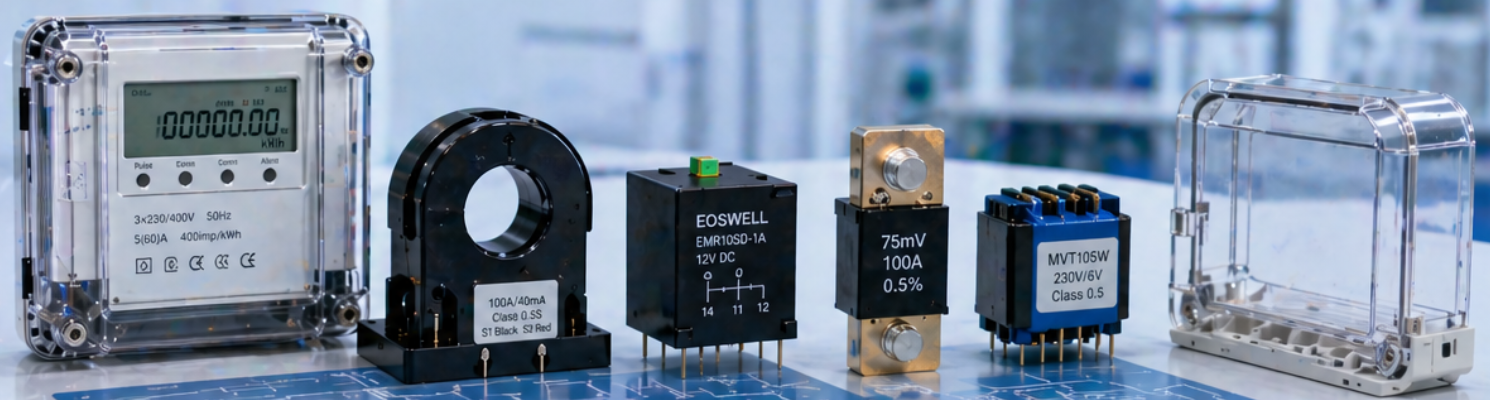
Some smart meter components fail early because they were not evaluated deeply enough against the real application, production conditions, or long-term operating environment. Better components are the ones that offer stronger electrical stability, thermal control, safety support, assembly compatibility, environmental suitability, and batch consistency. When engineers and buyers choose parts with those factors in mind, they can reduce early failure risk and build a more reliable smart meter platform from the start.

Shunt Resistor Or Current Transformer: Which Current Sensing Method Is Better For Smart Meters
Shunt resistors and current transformers each offer clear advantages for smart meter design, but they support different priorities. Shunt resistors often stand out for economy, direct sensing, and compact integration. Current transformers often stand out for isolation-related advantages, magnetic sensing structure, and suitability in certain robust metering architectures. The better option depends on the actual meter platform, including cost target, thermal strategy, safety concept, integration method, and long-term reliability goals. By comparing both methods from a full system perspective, project teams can make a more practical and more reliable current sensing decision.
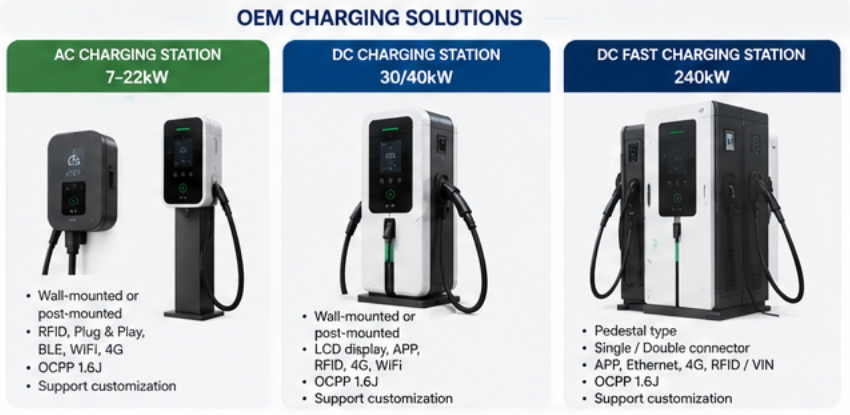
Home / Technical Guides / OEM EV Charging Station SupplierWhy Customization Matters When Choosing An EV Charging Station Supplier For OEM ProjectsIn OEM EV charging projects, buyers often co
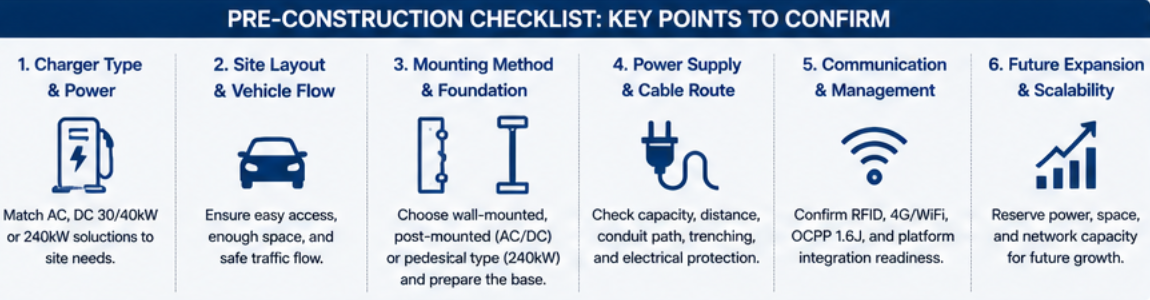
Home / Technical Guides / EV Charging Project PlanningHow To Reduce Installation Problems In EV Charging Station Projects Before Construction StartsIn EV charging projects, installation prob

Home / Technical Guides / High-Power EV Charging StrategyWhy 240kW DC Charging Stations Are Becoming More Important In Fleet And Public Charging ProjectsIn many EV charging projects, the dis
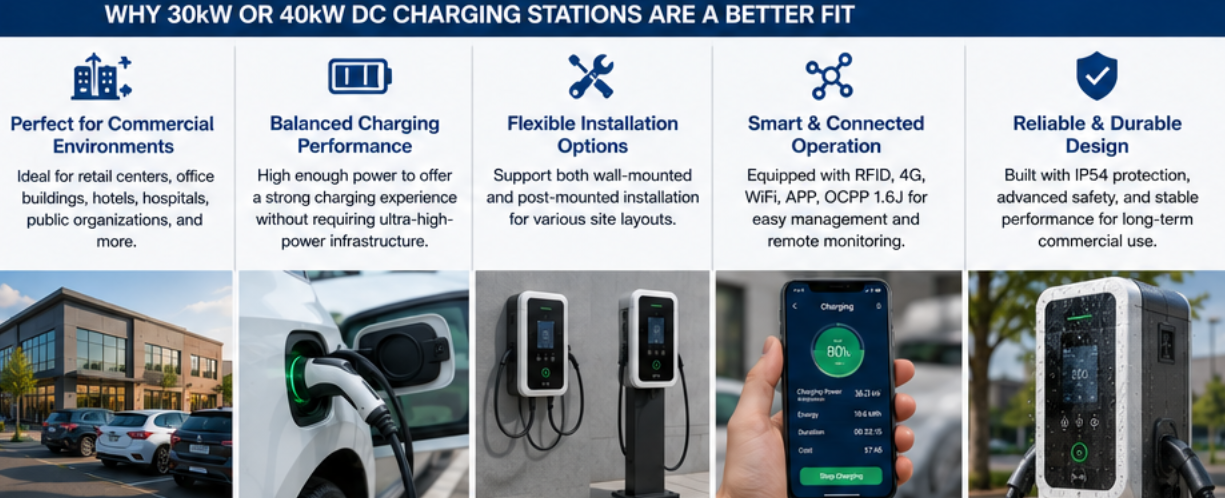
Home / Technical Guides / DC Charging Station SelectionWhat Makes A 30kW Or 40kW DC Charging Station A Better Fit For Commercial SitesIn commercial EV charging projects, a 30kW or 40kW DC ch
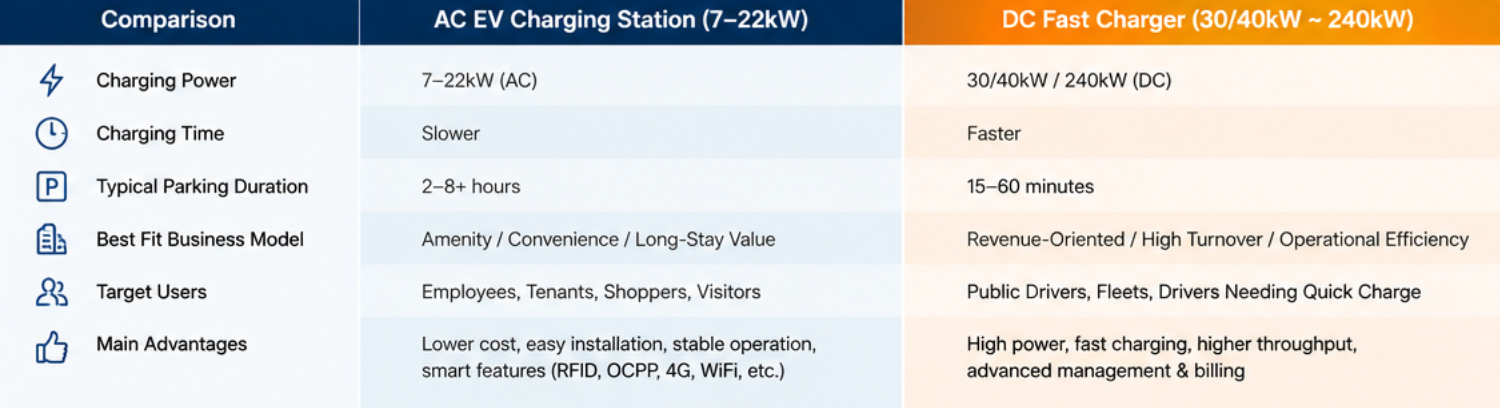
Home / Technical Guides / EV Charging Business ModelAC EV Charging Station Or DC Fast Charger: Which One Matches Your Business Model Better?Choosing between an AC EV charging station and a D

Home / Technical Guides / Commercial Charging Station ManagementHow RFID, 4G And OCPP Improve Commercial EV Charging Station ManagementIn commercial EV charging projects, hardware alone is n