Technical Guides

Home / Technical Guides / EV Charger Installation StrategyWhy More Parking Projects Choose Pedestal EV Charging Stations Over Wall-Mounted ChargersIn EV charging projects, installation type

Home / Technical Guides / Commercial EV Charging Station SelectionWhat Buyers Should Confirm Before Ordering A Commercial EV Charging StationOrdering a commercial EV charging station is not
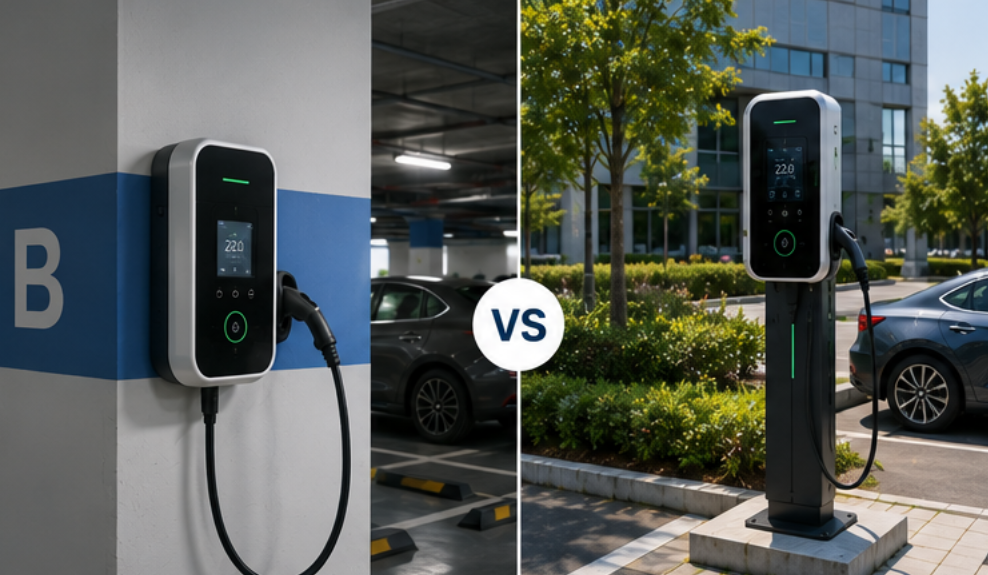
Home / Technical Guides / EV Charger Installation StrategyWall-Mounted Or Pedestal EV Charging Station: Which Installation Type Fits Your Site Better?In EV charging projects, installation ty
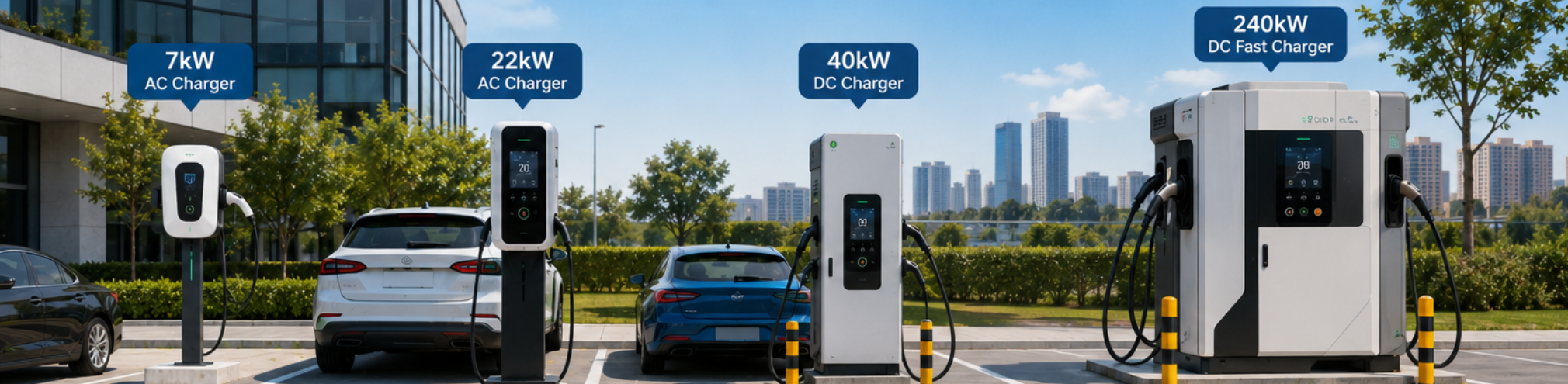
Home / Technical Guides / EV Charging Station SelectionHow To Choose Between 7kW, 22kW, 40kW And 240kW EV Charging Stations For Different ProjectsChoosing the right EV charging station is no
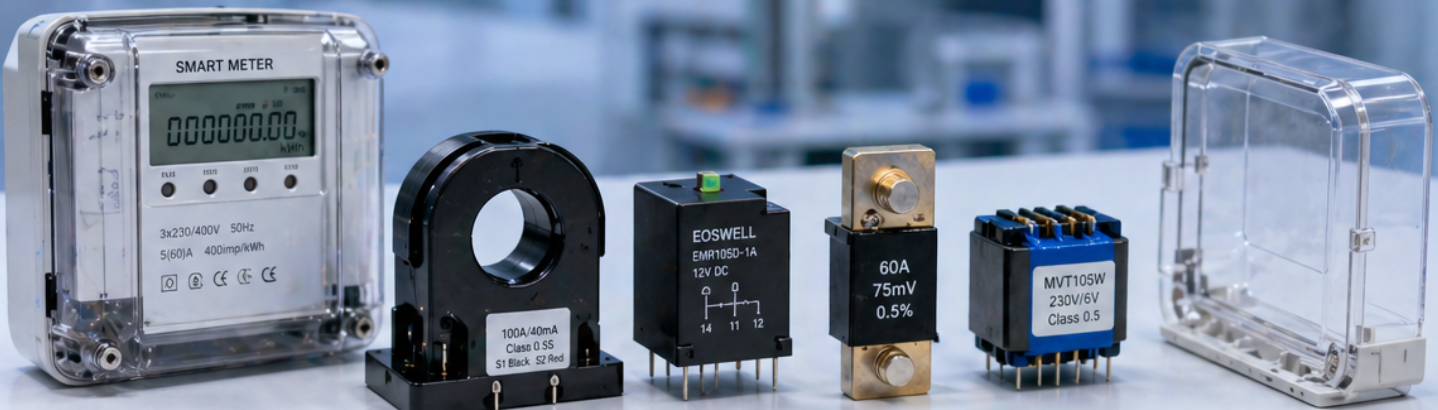
Evaluating smart meter components before mass production starts requires more than confirming that the sample works once. The right evaluation process should verify electrical stability, thermal behavior, safety support, dimensional compatibility, environmental durability, and batch consistency under realistic smart meter conditions. When these checks are carried out together and linked to the real application, project teams can reduce launch risk, improve manufacturing confidence, and support stronger long-term product reliability.
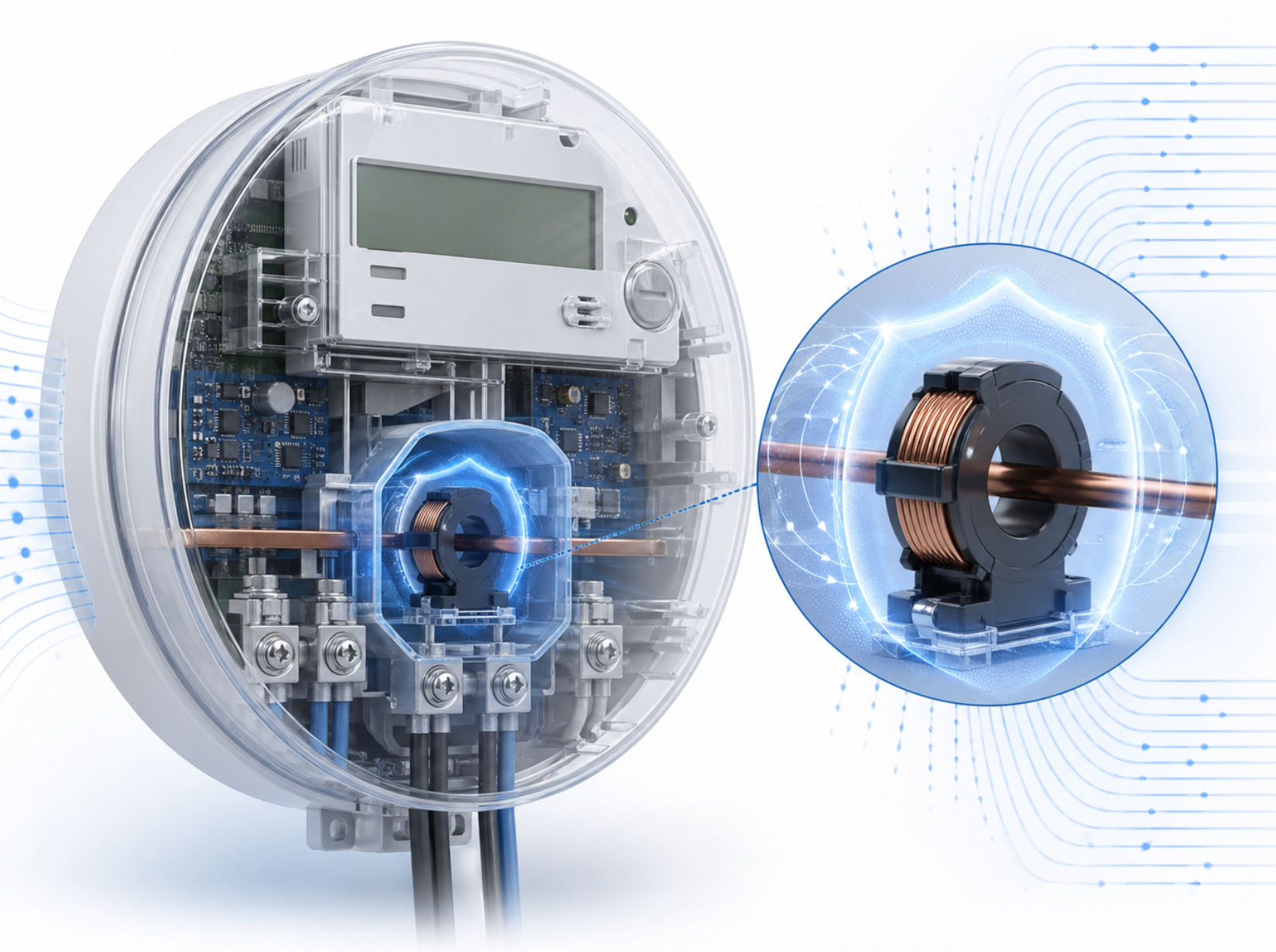
Buyers should know that DC immunity in metering current transformers is not just a technical extra. In the right application, it can play an important role in protecting measurement stability, improving calibration consistency, and reducing long-term reliability risk. The better buying decision comes from checking how the CT performs in real smart meter conditions, whether the supplier can maintain repeatable quality, and whether the component supports the full metering system instead of only meeting a basic catalog description.
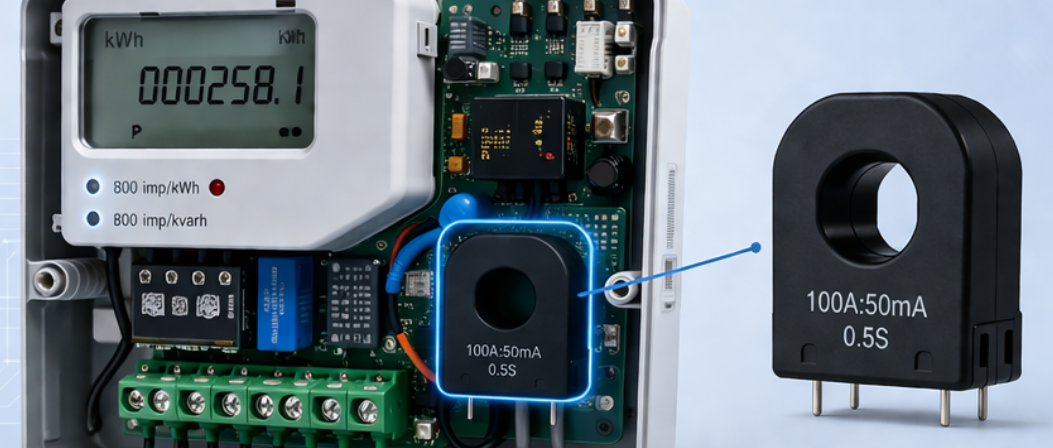
Preventing accuracy drift in smart meter current transformer selection requires more than checking one nominal performance value. The right CT should support stable ratio behavior, good linearity, proper burden compatibility, reliable thermal performance, mechanical consistency, and repeatable batch quality. When these factors are evaluated together in the context of the real smart meter design, project teams can reduce drift risk, improve calibration stability, and build meters with stronger long-term measurement reliability.

Before finalizing a smart meter design, the meter case should be checked from a full system perspective rather than as a simple enclosure choice. The right housing should support material stability, safe structure, reliable sealing, dimensional compatibility, practical installation, and repeatable production quality. When these factors are reviewed together, project teams can lock the design with stronger confidence, reduce hidden tooling and assembly risk, and support more reliable long-term smart meter performance.

Choosing a miniature voltage transformer for stable smart meter performance requires more than checking size or basic output information. The right MVT should support reliable signal behavior, strong insulation confidence, efficient layout integration, temperature stability, and consistent mass-production quality. When these factors are evaluated together in the context of the real smart meter design, project teams can make better transformer decisions, reduce hidden performance risk, and support more dependable long-term meter operation.

Choosing a current transformer that improves smart meter accuracy requires more than checking the rated current or a single accuracy claim. The right CT should support stable low-current behavior, suitable ratio matching, good linearity, proper burden compatibility, temperature stability, and strong batch consistency. When these factors are evaluated together in the context of the real meter design, project teams can make better CT decisions, reduce calibration complexity, and build smart meters with more reliable long-term measurement performance.