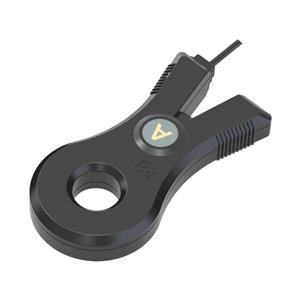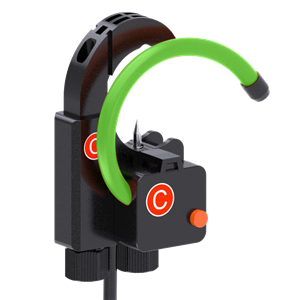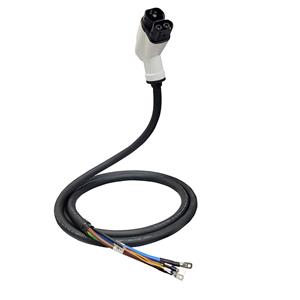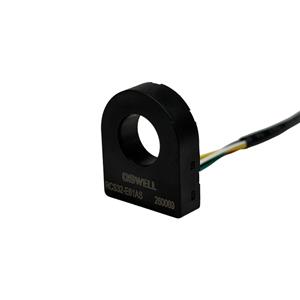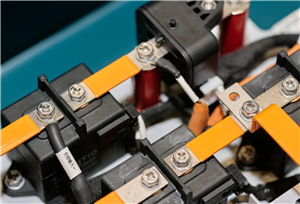
Selecting the right current sensor is a critical step in developing reliable electric vehicle battery systems. From measurement accuracy and thermal stability to supplier capability and customization support, every factor influences the final performance of the EV platform. As electric mobility continues to grow, high-quality current sensors will remain essential components for safer batteries, smarter energy management, and more efficient electric vehicles.
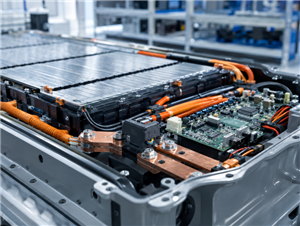
How Battery Current Sensors Improve Accuracy in Next-Generation EV Battery Monitoring Systems
Battery current sensors are becoming increasingly important in next-generation electric vehicle battery monitoring systems. By providing accurate and reliable current measurement, these components help improve battery safety, optimize energy management, and extend battery lifespan. For EV manufacturers and procurement teams, selecting high-performance current sensing solutions and partnering with experienced suppliers is a key step toward developing safer, smarter, and more efficient electric mobility systems.
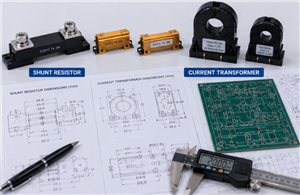
How To Choose Between Shunt Resistors And Current Transformers For Different Smart Meter Designs
Choosing between shunt resistors and current transformers for different smart meter designs requires more than a simple cost comparison. The right method depends on the project’s current sensing architecture, safety structure, thermal strategy, integration style, and long-term production plan. When buyers and engineers evaluate these factors together, they can choose a sensing method that supports not only the design target, but also smoother OEM execution and lower future risk.
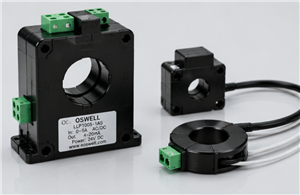
Why Residual Current Monitoring Is Becoming More Important in EV Charging and Energy Storage Systems
Residual current monitoring is becoming increasingly important as EV charging and battery energy storage systems become more powerful, complex, and widely deployed. Reliable residual current sensors help detect leakage and insulation faults, improve equipment protection, and provide valuable information for safer system operation. For EV charger manufacturers, BESS suppliers, and global procurement teams, selecting residual current sensing components with stable detection performance, strong environmental reliability, suitable integration options, and consistent manufacturing quality can reduce system risk and support the development of safer next-generation energy infrastructure.
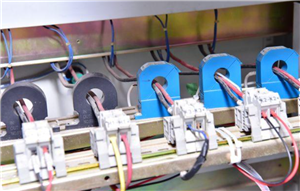
Choosing a reliable electrical measurement component supplier is essential for developing high-quality and competitive products. Factors such as product quality, technical expertise, customization capability, and production reliability all influence supplier performance. For companies in electric vehicles, smart energy, industrial automation, and power management industries, working with experienced measurement component manufacturers provides the foundation for long-term success.

Automotive sensors are becoming increasingly important in next-generation electric vehicles by improving safety, efficiency, and intelligent control. Through accurate monitoring of battery systems, power electronics, and charging processes, reliable sensors help EV manufacturers create more dependable and competitive vehicles. For global automotive companies and procurement teams, choosing experienced sensor suppliers is essential for supporting the future development of electric mobility.

High precision current sensors are becoming increasingly important in renewable energy systems by providing accurate electrical data for monitoring, control, and optimization. From solar power generation and battery storage to smart grid applications, reliable current measurement technology helps improve efficiency, safety, and system performance. For renewable energy manufacturers and procurement teams, choosing experienced current sensor suppliers is essential for developing reliable and future-ready energy solutions.
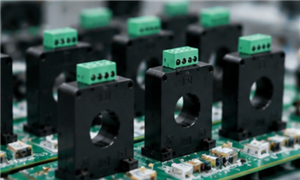
China's advanced manufacturing capabilities, engineering expertise, and complete supply chain advantages have made it a preferred sourcing destination for electrical measurement components. For global manufacturers looking for current sensors, current transformers, shunt resistors, and energy measurement solutions, choosing the right Chinese supplier can provide long-term value through reliable quality, customization support, and competitive manufacturing advantages.
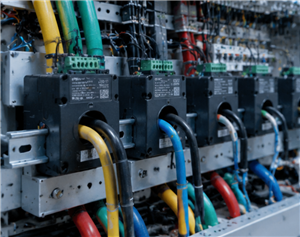
Current measurement technology is a critical foundation for modern smart energy management systems. By providing accurate and reliable electrical data, current sensors and current transformers help improve energy efficiency, optimize power distribution, and support intelligent decision-making. For smart meter manufacturers, energy system developers, and global procurement teams, selecting high-quality measurement components is essential for building reliable and future-ready energy solutions.
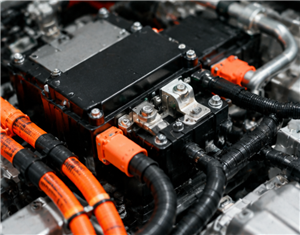
The growing adoption of electric vehicles is creating increasing demand for high-precision current measurement components. From battery management systems to charging infrastructure, accurate current detection technology plays a vital role in improving safety, efficiency, and reliability. For EV manufacturers and global procurement teams, choosing a trusted supplier of current sensors and shunt resistors is an important step toward developing competitive electric mobility solutions. With advanced manufacturing capabilities and customized engineering support, precision current measurement technologies will continue to drive the future growth of the electric vehicle industry.