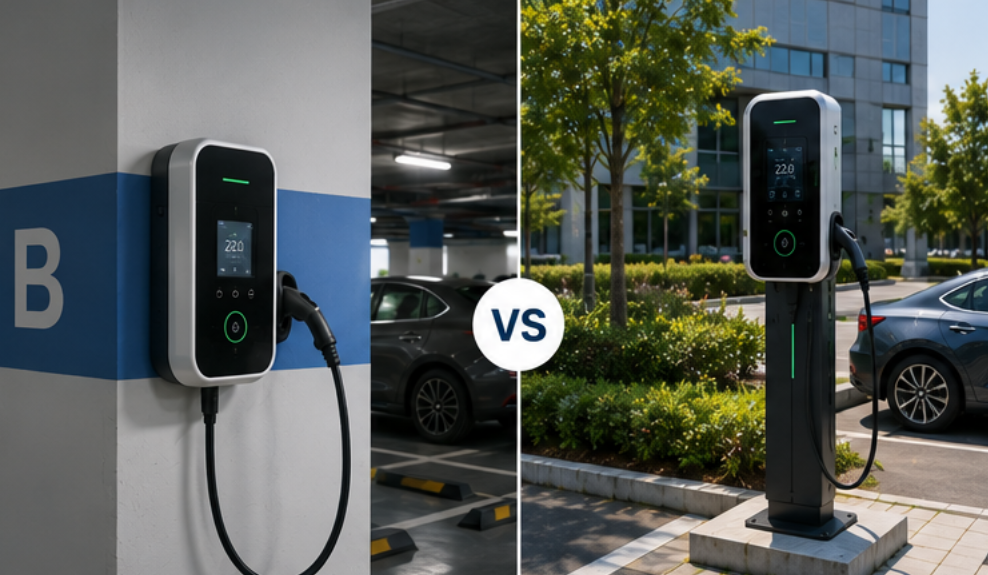
Home / Technical Guides / EV Charger Installation StrategyWall-Mounted Or Pedestal EV Charging Station: Which Installation Type Fits Your Site Better?In EV charging projects, installation ty
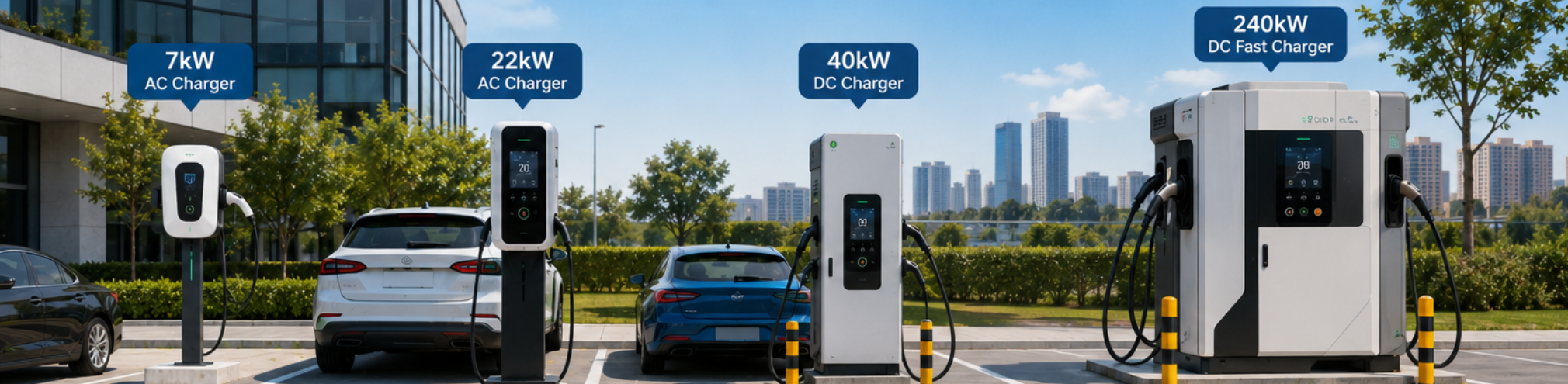
Home / Technical Guides / EV Charging Station SelectionHow To Choose Between 7kW, 22kW, 40kW And 240kW EV Charging Stations For Different ProjectsChoosing the right EV charging station is no
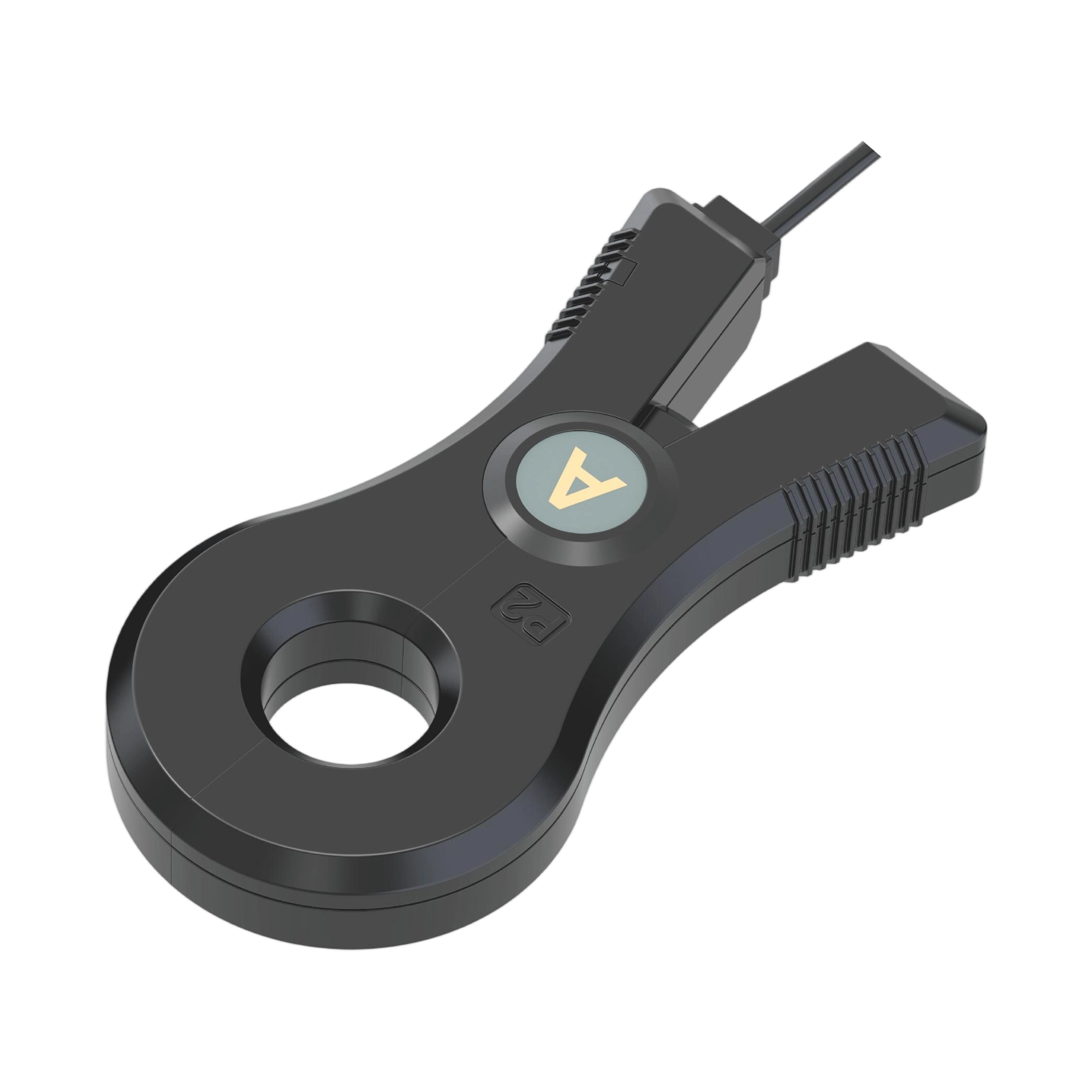
International buyers usually search for CT Metering when a project has moved from general sourcing to supplier qualification. This article gives a practical RFQ and evaluation framework base
International buyers usually search for DC Charging Cable when a project has moved from general sourcing to supplier qualification. This article gives a practical RFQ and evaluation framewor
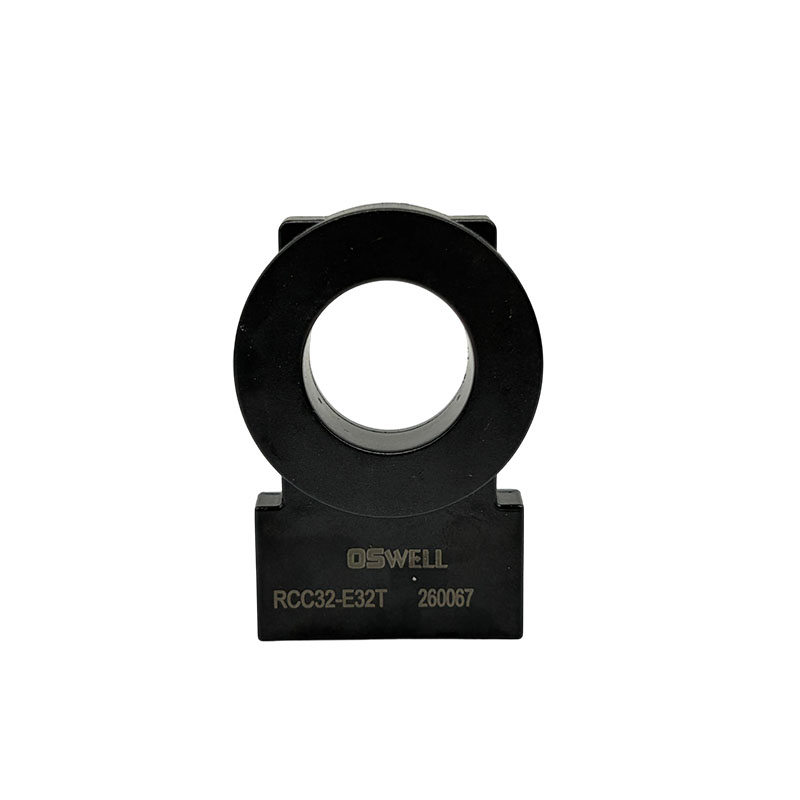
International buyers usually search for Latching Relay when a project has moved from general sourcing to supplier qualification. This article gives a practical RFQ and evaluation framework b
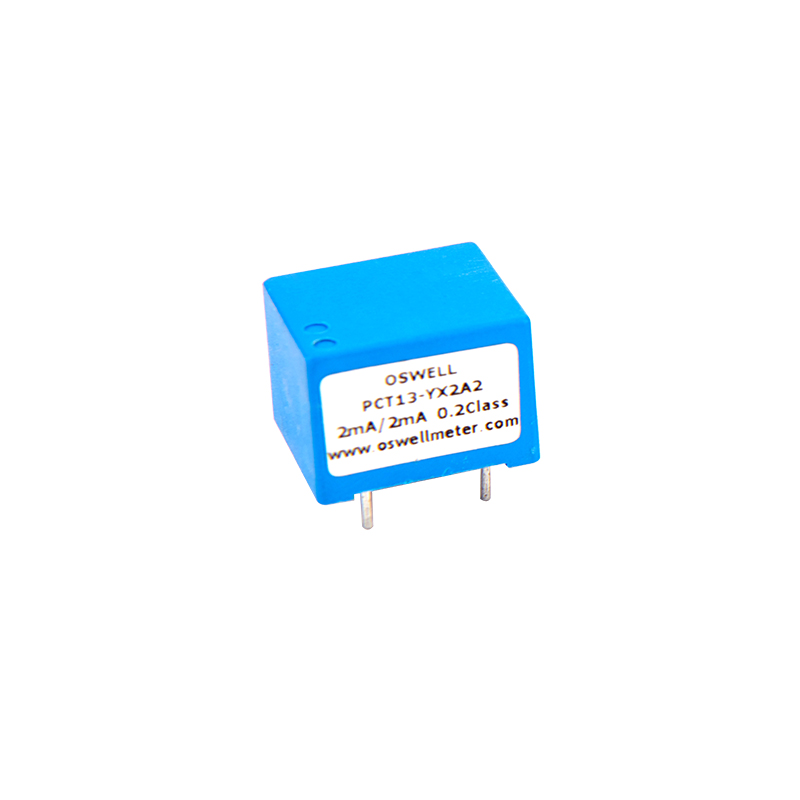
International buyers usually search for Miniature Voltage Transformer when a project has moved from general sourcing to supplier qualification. This article gives a practical RFQ and evaluat

Shunt resistors and current transformers each offer valuable advantages for smart meter design, but they serve different design priorities. Shunt resistors often stand out for economy, direct sensing, and compact integration. Current transformers often stand out for isolation, magnetic sensing structure, and suitability in certain robust metering architectures. The better choice depends on the actual meter platform, including cost target, thermal strategy, safety structure, integration method, and long-term reliability goals. By evaluating both sensing methods from a full system perspective, smart meter developers can make a more practical and more reliable design decision.
The most important components in an accurate and stable energy metering system are the ones that control measurement truth, long-term stability, and interface quality. In other words, the sensing front end, the switching path, and the integration logic matter most together.
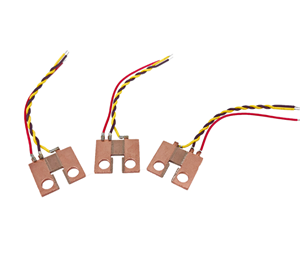
Before ordering a shunt resistor, buyers should check three things in depth: whether the resistance value matches the real current range and acceptable power loss, whether TCR and Kelvin sensing support accurate measurement under heat and parasitics, and whether power rating, drift, and traceability are strong enough for long-term use. A shunt resistor is not just a resistor. In many systems, it is the foundation of current measurement quality.

Choosing the right shunt resistor for a battery management system means balancing four things at the same time: measurable signal, power loss, temperature stability, and integration quality. The best choice is usually not the one with the lowest resistance or the lowest price by itself. It is the one that fits the pack’s current profile, maintains accuracy across temperature, supports clean sensing connections, and stays stable over real operating life. That is the kind of choice that improves BMS performance instead of creating hidden cost later.