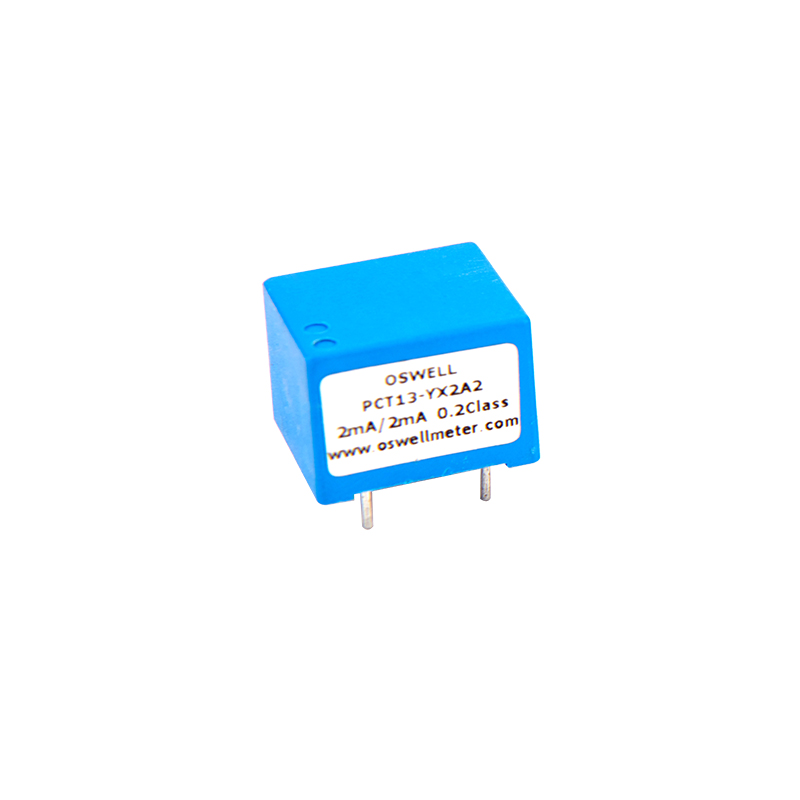
International buyers usually search for Miniature Voltage Transformer when a project has moved from general sourcing to supplier qualification. This article gives a practical RFQ and evaluat
Current Transformer buyer guide with RFQ checklist, installation risk points, supplier comparison, internal product links, FAQ and project inquiry CTA.
Miniature Voltage Transformer Application Checklist Specifications Documents and Lead Time
Miniature Voltage Transformer Application Checklist: Specifications, Documents and Lead Time: SEO/GEO buyer guide with quick answer, RFQ checklist, FAQ, two body images, internal product links and conversion CTA.
How to Choose Current Transformer for International Procurement: SEO/GEO buyer guide with quick answer, RFQ checklist, FAQ, two body images, internal product links and conversion CTA.
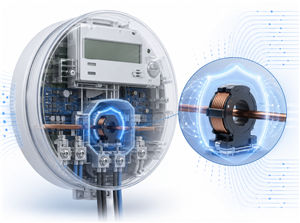
Buyers should know that DC immunity in metering current transformers is not just a technical extra. In the right application, it can play an important role in protecting measurement stability, improving calibration consistency, and reducing long-term reliability risk. The better buying decision comes from checking how the CT performs in real smart meter conditions, whether the supplier can maintain repeatable quality, and whether the component supports the full metering system instead of only meeting a basic catalog description.
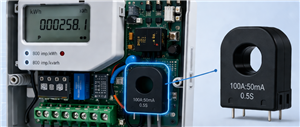
Preventing accuracy drift in smart meter current transformer selection requires more than checking one nominal performance value. The right CT should support stable ratio behavior, good linearity, proper burden compatibility, reliable thermal performance, mechanical consistency, and repeatable batch quality. When these factors are evaluated together in the context of the real smart meter design, project teams can reduce drift risk, improve calibration stability, and build meters with stronger long-term measurement reliability.

Choosing a miniature voltage transformer for stable smart meter performance requires more than checking size or basic output information. The right MVT should support reliable signal behavior, strong insulation confidence, efficient layout integration, temperature stability, and consistent mass-production quality. When these factors are evaluated together in the context of the real smart meter design, project teams can make better transformer decisions, reduce hidden performance risk, and support more dependable long-term meter operation.

Choosing a current transformer that improves smart meter accuracy requires more than checking the rated current or a single accuracy claim. The right CT should support stable low-current behavior, suitable ratio matching, good linearity, proper burden compatibility, temperature stability, and strong batch consistency. When these factors are evaluated together in the context of the real meter design, project teams can make better CT decisions, reduce calibration complexity, and build smart meters with more reliable long-term measurement performance.
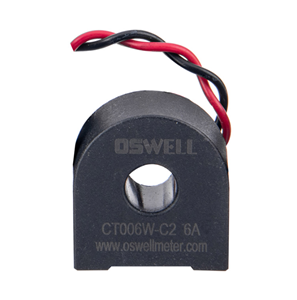
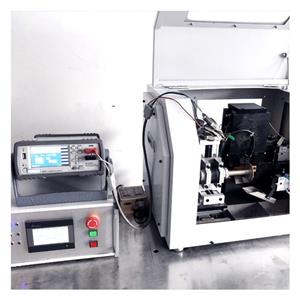
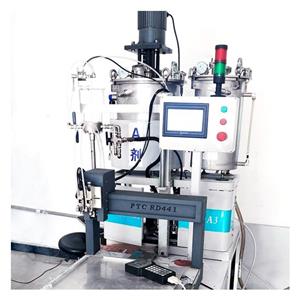
The most important reliability tests for smart meter components before mass production are the ones that verify real long-term stability rather than only initial function. Thermal testing, electrical and insulation checks, endurance evaluation, environmental stress review, structural validation, and batch consistency comparison all play a key role in reducing launch risk. When these tests are selected according to the real application and combined with system-level verification, project teams can move into mass production with stronger confidence, better quality control, and lower field failure risk.
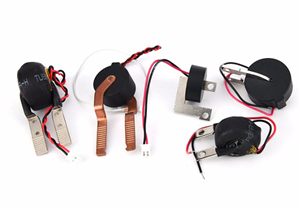
Ratio, burden, and linearity are three of the most important specification items in a current transformer, especially for smart meter and energy metering applications. Ratio determines the conversion relationship, burden affects real circuit behavior, and linearity reflects how predictably the CT performs across the operating range. When these three parameters are understood together and evaluated against the actual meter design, project teams can make stronger CT selections, improve calibration efficiency, and support more stable long-term metering performance.