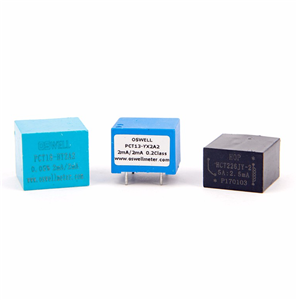
Selecting a miniature voltage transformer for reliable energy metering requires more than checking size or basic output description. The right MVT should support stable signal behavior, strong insulation confidence, efficient dimensional integration, and consistent performance in large-scale production. When electrical matching, stability, insulation, thermal behavior, and supplier consistency are evaluated together, project teams can make a stronger transformer decision. This helps improve meter reliability, reduce hidden development risk, and support more dependable long-term energy metering performance.
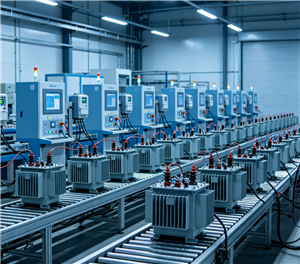
DC immunity matters in smart meter current transformer selection because it helps protect measurement accuracy, system stability, and long-term reliability under real operating conditions. In applications where DC-related magnetic bias may affect CT behavior, choosing a design with better immunity can reduce hidden metering risk and support more consistent performance from calibration to field use. For modern smart meter projects, DC immunity is not just an added feature. It is an important part of choosing a CT that can perform reliably in practical, demanding environments.
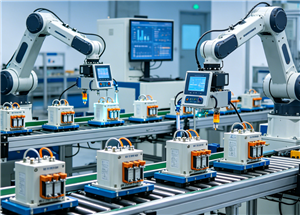
The right accuracy class for a metering current transformer depends on what the meter is expected to achieve in actual use. High-precision applications may require tighter control, while standard or cost-sensitive projects often benefit more from a balanced and practical choice. The best selection comes from matching the class to the metering objective, operating range, thermal conditions, and supply consistency rather than simply choosing the highest specification available. When accuracy class is evaluated together with real system needs, metering projects become more reliable, more efficient, and easier to control from design to mass production.
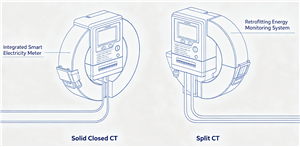
Split core and solid core current transformers each offer clear advantages for metering applications, but they solve different project needs. Split core CTs stand out for retrofit flexibility, non-shutdown installation, and field convenience. Solid core CTs stand out for structural continuity, planned integration, and stable use in fixed meter assemblies. The right decision should be based on installation conditions, system design, mechanical requirements, and long-term reliability goals. By selecting the CT structure according to the real application instead of structure alone, metering projects can achieve better efficiency, stronger performance stability, and lower implementation risk.
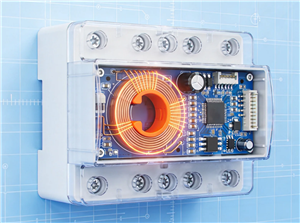
Choosing the best current transformer for smart meter accuracy and stability requires more than checking a few catalog parameters. The right CT should match the meter’s electrical design, mechanical layout, safety requirements, and production goals. When ratio performance, accuracy behavior, burden compatibility, insulation reliability, thermal stability, and manufacturing consistency are evaluated together, smart meter projects can achieve better long-term performance and lower development risk. A careful selection process leads to more stable meters, smoother production, and stronger confidence in field operation.
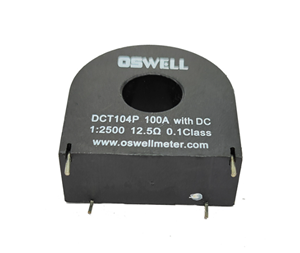
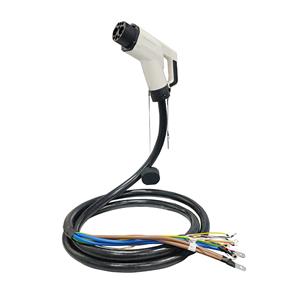
For energy, EV, and storage applications, the right component mix is application-driven, not catalog-driven. Buyers who choose by electrical role, safety need, and lifecycle burden will build systems that are easier to scale and harder to regret.
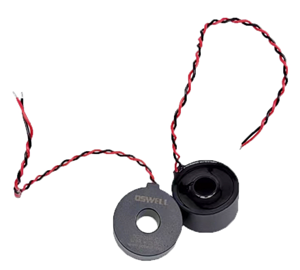
In conclusion, Current Transformers are far more than simple metering devices; they are the indispensable bridge that connects the physical electrical grid with the digital world of smart management. They are fundamental to grid safety, renewable integration, and operational intelligence. As grids become more decentralized, dynamic, and data-driven, the demand for CTs that offer exceptional accuracy, robust construction for harsh environments, and long-term reliability will only intensify. For international procurement specialists building the grids of the future, partnering with proven component manufacturers like Oswell is a strategic decision. It ensures access to core sensing technology that is not just a commodity, but a critical enabler for a stable, efficient, and sustainable energy ecosystem powered by smart grids and widespread renewable energy.
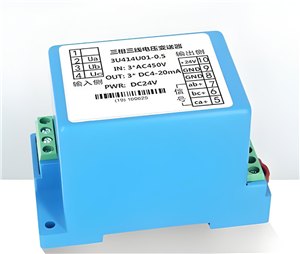
AC Voltage and Current Transducers: Bridging the Gap Between High Voltage and Control Systems
In conclusion, AC voltage and current transducers are far more than simple converters; they are the indispensable, intelligent data highways of modern electrified systems. They provide the critical, safe, and accurate interface that allows digital control systems to "see," analyze, and intelligently manage high-power electrical processes. Their performance directly impacts system safety, control precision, energy efficiency, and asset protection. For system integrators and procurement specialists, selecting transducers is a strategic decision that affects the entire project's intelligence and reliability. Partnering with established component manufacturers like Oswell, who design and build these critical interface devices with a focus on measurement accuracy, robust isolation, and industrial durability, ensures that the bridge between the high-power field and the control room is not just functional, but is a cornerstone of a safe, efficient, and intelligent operational infrastructure.
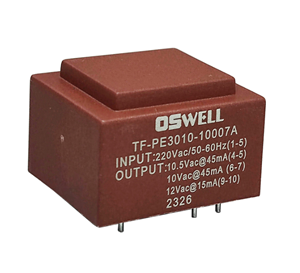
In conclusion, the power transformer is not a commodity but a strategically selected foundation component that directly influences the safety, accuracy, longevity, and field reliability of metering equipment. Its selection involves a careful analysis of isolation requirements, efficiency targets, size constraints, and the specific load characteristics of the meter's electronics. Compromising on transformer quality can lead to premature failures, measurement drift, or susceptibility to grid disturbances. Therefore, for meter manufacturers and procurement specialists, specifying power transformers from established, quality-focused suppliers like Oswell is a critical decision. It ensures access to components engineered with the right materials, construction techniques, and testing protocols to deliver consistent, reliable performance in the challenging real-world environments where meters operate, safeguarding the integrity of the revenue and data collection system.
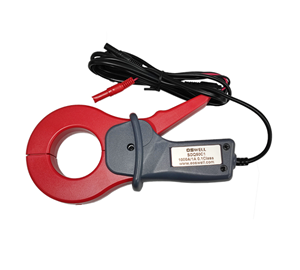
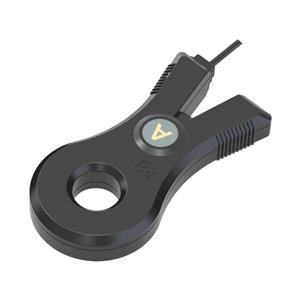
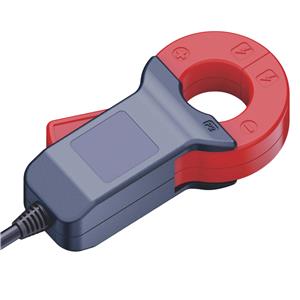
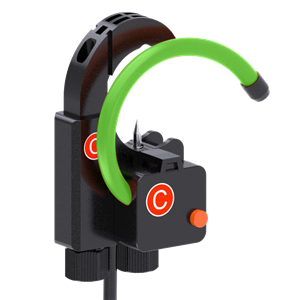
In conclusion, the split-core current transformer is more than just a sensor; it is the key enabler for a non-disruptive path to operational intelligence. It eliminates the single greatest barrier—planned downtime—to upgrading electrical monitoring in existing infrastructure. By choosing high-quality, precision-engineered split-core CTs from reliable manufacturers like Oswell, organizations can safely and efficiently retrofit advanced monitoring capabilities onto their live electrical systems. This empowers them to unlock critical data on energy usage, system health, and operational efficiency, driving informed decisions that reduce costs, enhance reliability, and support sustainability goals. For any retrofit or expansion project, specifying split-core CTs is the smart, strategic choice that delivers immediate value without the cost of stopping operations.