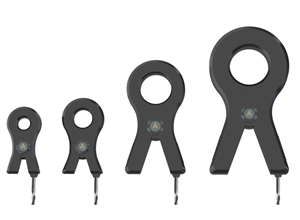
Portable Power Analysis: Using Clamp-On CTs for Temporary Load Studies and Troubleshooting
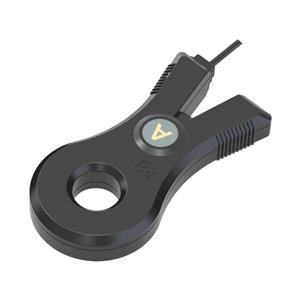
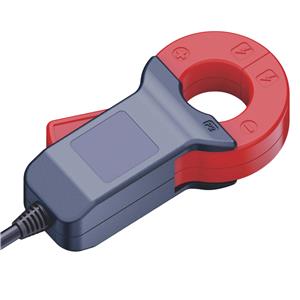
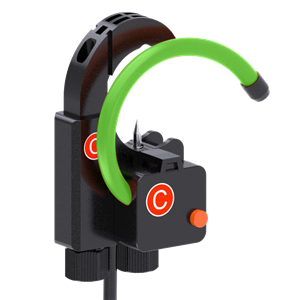
In summary, clamp-on current transformers are far more than just a simple testing accessory; they are an indispensable extension of the modern engineer's diagnostic toolkit. They empower professionals to safely and efficiently conduct load studies, perform deep energy audits, and execute precise troubleshooting without disrupting plant or building operations. The quality of the data gathered—and thus the value of the insights derived—is directly dependent on the accuracy, reliability, and safety of the clamp-on CTs used. For procurement specialists sourcing equipment for field service teams, specifying high-performance, durable tools from established manufacturers like Oswell is a direct investment in operational efficiency, preventive maintenance capability, and data-driven decision making. In the quest for energy efficiency and system reliability, the portable clamp-on CT remains a fundamental and powerful sensor for unlocking electrical intelligence anywhere, anytime.
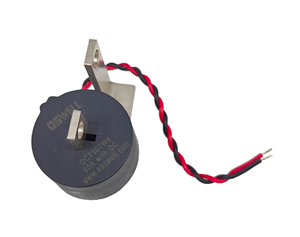
In summary, the choice between split-core and clamp-on CTs is not about which is universally better, but which is perfectly suited for your specific project constraints and goals. Prioritize split-core CTs for retrofit and maintenance-friendly permanent installations where avoiding downtime is critical. Opt for clamp-on CTs for new constructions, portable equipment, or applications demanding the highest possible baseline accuracy. As a global procurement specialist, partnering with a manufacturer like Oswell that offers a comprehensive range of both types, backed by rigorous manufacturing processes like automated winding and epoxy vacuum potting, ensures you receive components that deliver not just on specification, but on long-term field reliability and total cost of ownership. Making the informed choice optimizes both your installation budget and the integrity of your energy data for years to come.
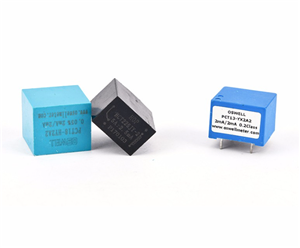
The right voltage ratio for a miniature voltage transformer is the ratio that scales the real primary voltage into the intended input range of the meter or control device, while still maintaining the needed accuracy under the actual burden and wiring scheme. In practice, that means buyers should check five things together: system voltage, target secondary voltage, burden level, device configuration method, and insulation context. When those five line up, ratio selection becomes straightforward. When they do not, even a technically “correct” ratio can become the wrong purchasing decision.
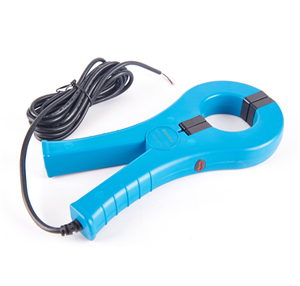
Before ordering a split-core clamp CT, buyers should check five things together: output compatibility, window and ratio fit, burden and accuracy behavior, polarity and installation rules, and long-term environmental and safety suitability. A split-core clamp CT is easy to install, but easy installation does not guarantee correct measurement. The better purchase is usually the one that matches the meter input, fits the conductor cleanly, preserves the required accuracy under real burden conditions, and remains safe to install and service over time.
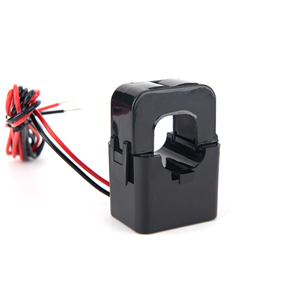
Accuracy class matters in split-core CT selection because it defines measurement potential, but it also reveals something deeper: whether the CT can deliver that performance under the burden, phase, polarity, current range, and meter-input conditions of the real application. A split-core CT is easy to install, but easy installation does not guarantee trustworthy data. Buyers who choose accuracy class based on application risk, system compatibility, and total lifecycle value usually make far better decisions than buyers who compare current ratio and price alone.
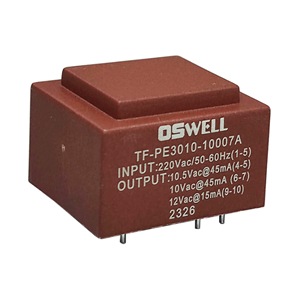
To check whether a miniature transformer fits a smart meter or control system, buyers should evaluate three levels together: electrical fit, system fit, and lifecycle fit. Electrical fit covers ratio, burden, accuracy, and phase behavior. System fit covers wiring topology, CT/VT settings, input compatibility, and safe connection behavior. Lifecycle fit covers physical integration, temperature performance, calibration potential, and long-term stability. When all three levels align, the miniature transformer becomes more than a component choice—it becomes a lower-risk decision for the entire product.
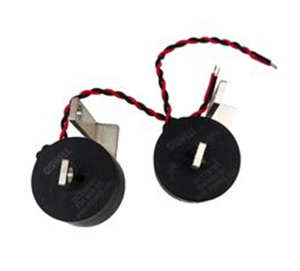
Long-term operating stability should never be judged by initial appearance, short sample testing, or price alone. It should be evaluated through performance retention, thermal behavior, material reliability, life testing, batch consistency, and full-system risk. For procurement teams, the most valuable product is not simply the one that can pass a first test, but the one that can keep working accurately, safely, and consistently throughout the real service life of the project.
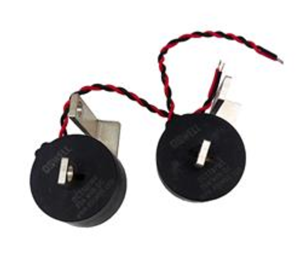
In the global pursuit of energy efficiency and grid modernization, every component counts. Precision-made Current Transformers, as exemplified by Oswell E-Group’s products, play a disproportionately large role in this endeavor. By fundamentally reducing internal core losses and providing the accurate, reliable data necessary for intelligent grid management, these components are indispensable tools for minimizing energy waste. The resulting savings enhance operational economics for utilities, empower consumers with trustworthy data, and collectively support broader environmental sustainability goals. Investing in precision CT technology is, therefore, a strategic move toward a more efficient and resilient energy future.
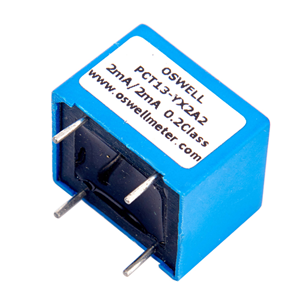
Signal integrity is not a luxury but a necessity in today’s data-driven and efficiency-critical electrical systems. High-precision miniature voltage transformers are sophisticated components that do more than just scale voltage; they act as guardians of signal purity. By meticulously addressing core material science, winding precision, and robust isolation, manufacturers like Oswell E-Group produce VTs that deliver uncompromised signal fidelity. This commitment to precision directly enables the accuracy of energy measurement, the effectiveness of power quality analysis, and the reliability of advanced power electronics. Investing in such high-fidelity signal conditioning components is, therefore, a fundamental decision for building trustworthy, efficient, and future-ready electrical and electronic systems.
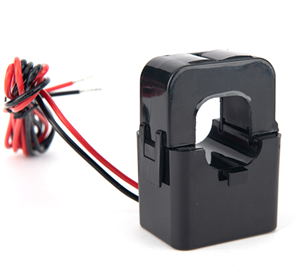
In summary, split-core current transformers are a transformative solution for energy monitoring projects. They directly address the core challenges of installation cost, operational risk, and inflexibility by enabling live, non-intrusive deployment. By eliminating costly downtime, simplifying complex retrofits in tight spaces, and providing a foundation for future-proof scalability, split-core CTs, such as the innovative SDQ series, are not just a component but a strategic enabler. They empower businesses to deploy sophisticated monitoring with minimal disruption, turning energy data collection from a logistical hurdle into a straightforward, efficient, and continuously valuable process.