Consistency in Transformer Production
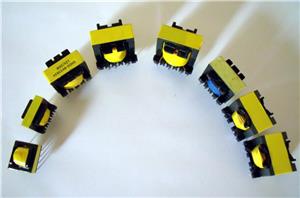
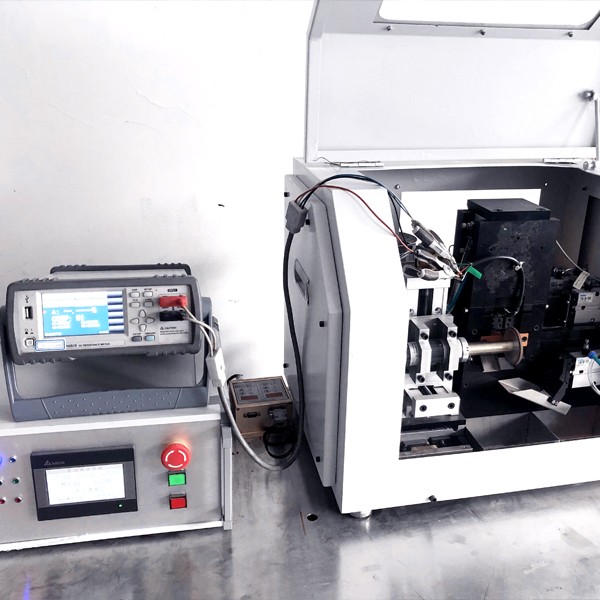
Consistency in transformer production is achieved through the integration of advanced manufacturing technologies, rigorous material controls, and systematic quality assurance processes. Oswell's commitment to maintaining identical performance characteristics across all production batches ensures that customers receive reliable, predictable products that meet their exact specifications every time. This dedication to consistency not only enhances product reliability but also builds long-term trust with customers who depend on transformers for critical applications.
Selecting the right current transformer requires careful consideration of accuracy class, rated parameters, construction quality, safety certifications, and application-specific features. These five key aspects ensure optimal performance, reliability, and compliance for any electrical measurement application. By prioritizing these features, engineers can make informed decisions that result in accurate measurements, extended equipment lifespan, and enhanced system safety.
IoT-Enabled Meters and Transformers
The convergence of IoT technology with traditional meters and transformers represents a paradigm shift in energy management, enabling unprecedented levels of visibility, control, and efficiency. These intelligent devices form the foundation of smart grid infrastructure, supporting more resilient, sustainable, and cost-effective energy systems. As technology continues to evolve, IoT-enabled energy equipment will play an increasingly vital role in managing the complex energy challenges of the future.
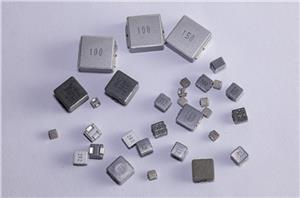
Oswell's micro transformers are making a substantial impact by enabling smaller, more efficient, and more reliable electronic designs across multiple industries. Their advanced engineering and robust construction support the ongoing trend toward miniaturization while maintaining high performance standards. As technology continues to evolve, these components will play an increasingly vital role in powering innovative applications and driving progress in electronic design and functionality.
Split-Core CTs vs. Clamp-On CTs
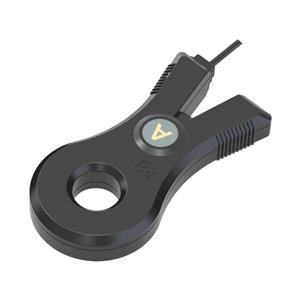
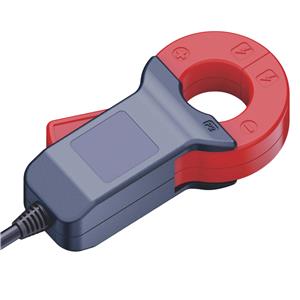
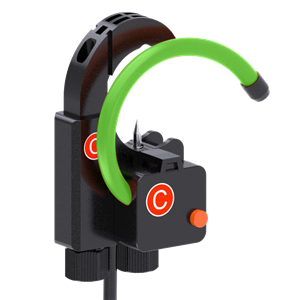
Both split-core and clamp-on current transformers serve vital but distinct roles in electrical measurement. Split-core CTs are the go-to solution for accurate, permanent monitoring installations, while clamp-on CTs offer unmatched convenience for temporary diagnostic work. Understanding their fundamental differences in design, accuracy, and application scenarios enables engineers and technicians to select the optimal tool for their specific needs. Oswell’s expertise in manufacturing both types ensures that professionals have access to reliable, high-quality CTs tailored for any electrical measurement challenge.
What is a Current Transformer
In summary, the current transformer is a fundamental component that enables the safe, accurate, and reliable operation of modern electrical networks. By stepping down high currents and providing essential isolation, CTs facilitate precise measurement, robust protection, and effective energy management. Oswell’s dedication to technological innovation and quality assurance positions it as a trusted provider of current transformers, empowering the development of smarter and more resilient power infrastructures globally.
Current transformers truly deserve their designation as the "heart" of electricity meters, providing the critical functionality that enables precise energy measurement and fair billing practices. Through advanced engineering, rigorous manufacturing standards, and adaptable designs, these components form the foundation of trustworthy energy management systems. As electrical networks become increasingly complex with the integration of renewable sources and smart technologies, the evolution of current transformer technology will continue to play a vital role in ensuring measurement accuracy, system reliability, and consumer confidence in the evolving energy landscape.
The strategic selection of high-permeability ferrite cores represents a critical engineering decision that directly impacts transformer efficiency, size, and reliability in high-frequency applications. Oswell's systematic approach to core material optimization, combined with advanced manufacturing techniques, demonstrates that 20% loss reduction at 100kHz is achievable through careful balance of material properties and design parameters. As power electronics continue to evolve toward higher frequencies and greater power densities, these core selection strategies will remain essential for developing next-generation energy-efficient systems.
DC-immuned current transformers represent a vital innovation in the integration of renewable energy sources. By addressing the critical issue of DC injection, these specialized components ensure measurement accuracy, system protection, and grid stability. As renewable penetration increases globally, Oswell's DC-immuned CTs will play an increasingly important role in enabling a reliable transition to sustainable energy systems, providing the precision and reliability needed for both utility-scale and distributed generation applications.
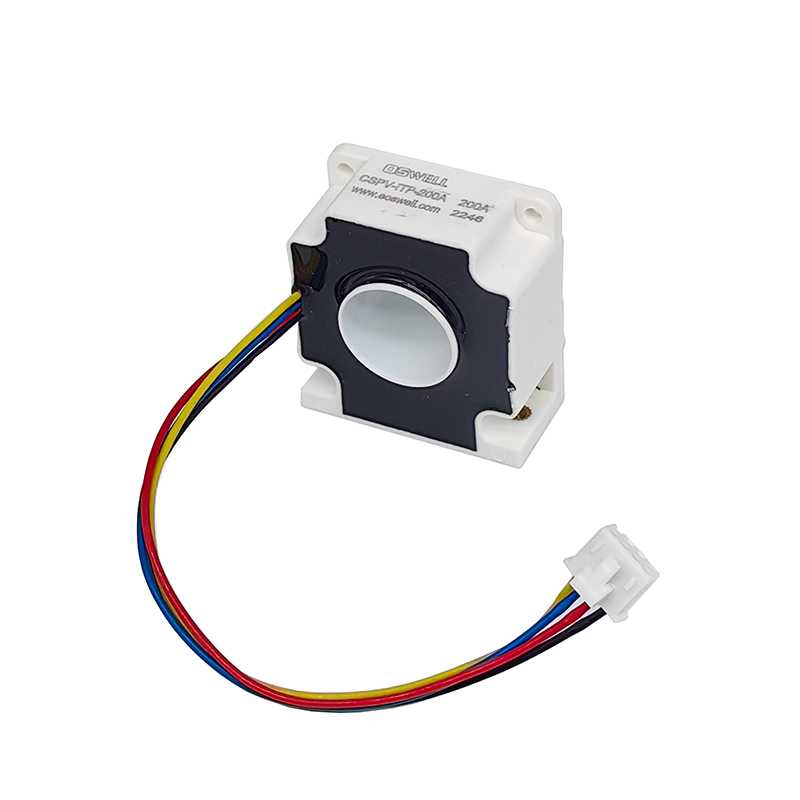
Miniature current transformers represent a fusion of precision engineering and adaptive design, essential for modern smart grids. By overcoming integration barriers and enabling real-time monitoring in diverse applications—from renewable energy to EV infrastructure—Oswell’s innovations ensure reliability, efficiency, and scalability. As grids evolve toward decentralization and digitalization, these CTs will remain indispensable for sustainable energy management