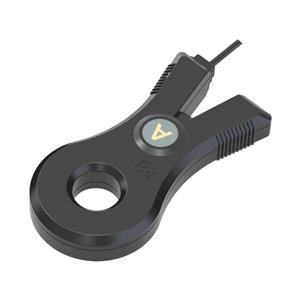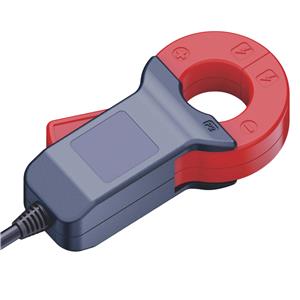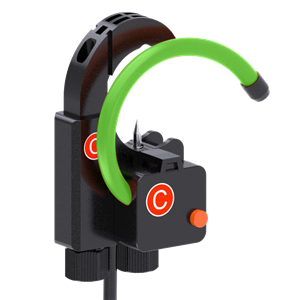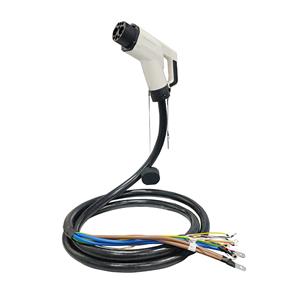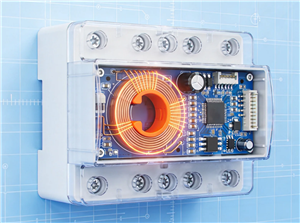
Choosing the best current transformer for smart meter accuracy and stability requires more than checking a few catalog parameters. The right CT should match the meter’s electrical design, mechanical layout, safety requirements, and production goals. When ratio performance, accuracy behavior, burden compatibility, insulation reliability, thermal stability, and manufacturing consistency are evaluated together, smart meter projects can achieve better long-term performance and lower development risk. A careful selection process leads to more stable meters, smoother production, and stronger confidence in field operation.
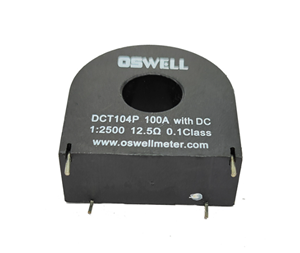
For energy, EV, and storage applications, the right component mix is application-driven, not catalog-driven. Buyers who choose by electrical role, safety need, and lifecycle burden will build systems that are easier to scale and harder to regret.
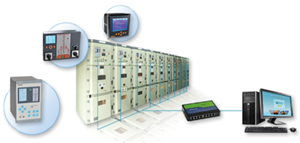
Balancing accuracy, isolation, and cost is not about finding the cheapest component. It is about finding the architecture that avoids unnecessary loss, unnecessary risk, and unnecessary rework.
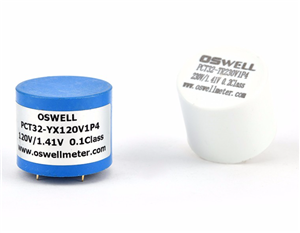
How To Match Latching Relays, Current Sensors, And Transformers To Smart Meter System Requirements
In smart meters, good component matching means relay duty, metrology accuracy, and system configuration all support the same product goal. When these three move together, the design becomes more reliable, easier to commission, and more scalable.
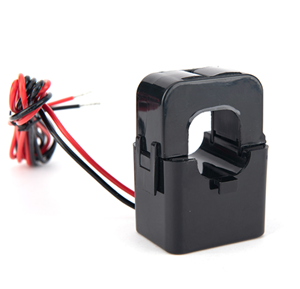
The right comparison framework is simple: compare signal type, isolation need, real accuracy, installation method, and lifecycle cost. Buyers who compare only rated current and quotation price almost always miss the most expensive risks.
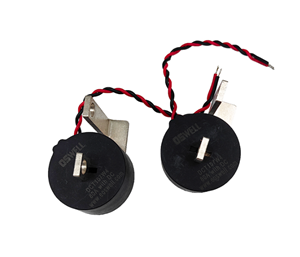
The right current sensing solution depends on signal type, isolation needs, accuracy target, installation constraints, and total lifecycle value. In metering, BMS, and power monitoring, the best answer is rarely universal. It is the option that fits the real electrical environment and reduces risk over the full operating life.
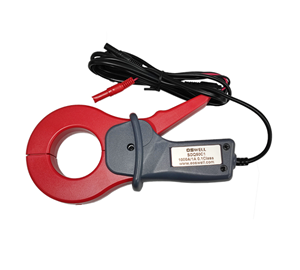
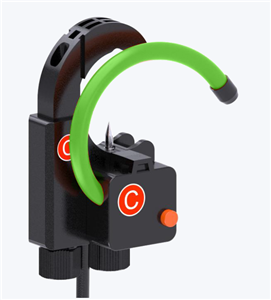
In conclusion, the split-core current transformer is more than just a sensor; it is the key enabler for a non-disruptive path to operational intelligence. It eliminates the single greatest barrier—planned downtime—to upgrading electrical monitoring in existing infrastructure. By choosing high-quality, precision-engineered split-core CTs from reliable manufacturers like Oswell, organizations can safely and efficiently retrofit advanced monitoring capabilities onto their live electrical systems. This empowers them to unlock critical data on energy usage, system health, and operational efficiency, driving informed decisions that reduce costs, enhance reliability, and support sustainability goals. For any retrofit or expansion project, specifying split-core CTs is the smart, strategic choice that delivers immediate value without the cost of stopping operations.
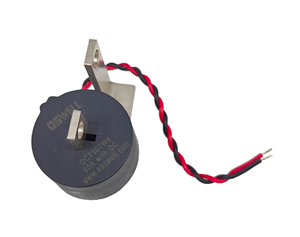
In summary, the choice between split-core and clamp-on CTs is not about which is universally better, but which is perfectly suited for your specific project constraints and goals. Prioritize split-core CTs for retrofit and maintenance-friendly permanent installations where avoiding downtime is critical. Opt for clamp-on CTs for new constructions, portable equipment, or applications demanding the highest possible baseline accuracy. As a global procurement specialist, partnering with a manufacturer like Oswell that offers a comprehensive range of both types, backed by rigorous manufacturing processes like automated winding and epoxy vacuum potting, ensures you receive components that deliver not just on specification, but on long-term field reliability and total cost of ownership. Making the informed choice optimizes both your installation budget and the integrity of your energy data for years to come.
When buying a power system sensor, the cheapest part is not automatically the lowest-cost choice. Real cost comes from power loss, thermal burden, isolation design, calibration effort, drift over time, fault response, and service impact. Buyers who evaluate only unit price often optimize the wrong number. Buyers who evaluate total cost of ownership usually make the safer, more scalable, and more profitable decision.
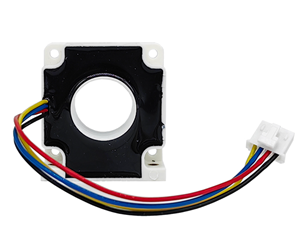
High-precision current transducers are far more than simple current-measuring devices; they are the essential data-acquisition front end for sophisticated power quality analysis. By providing accurate, high-fidelity current signals with wide bandwidth, low phase error, and excellent linearity, they form the foundation upon which disturbances are not only detected but also accurately quantified, analyzed, and understood. This precise measurement capability transforms raw grid data into actionable intelligence, enabling effective disturbance mitigation, ensuring compliance with stringent standards, and facilitating a shift towards proactive and predictive grid management. Investing in such high-performance sensing technology is, therefore, a strategic imperative for ensuring the stability, efficiency, and long-term reliability of modern electrical power systems in an era of increasing grid complexity and sensitivity.