To check whether a smart meter component is really ready for mass production, buyers and engineers should look beyond a single sample result and confirm real application fit, system-level compatibility, repeatability, process relevance, practical stability, and future supplier continuity. When these points are reviewed together, the project becomes much less likely to face hidden delays or instability after the production schedule has already started.
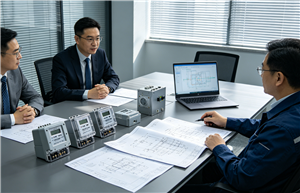
What makes a smart meter component supplier reliable for long-term OEM cooperation is not only price or sample speed. Buyers should look for stronger application understanding, more realistic samples, clearer technical communication, better process control, more useful project-stage support, and stronger future batch readiness. When these factors are confirmed together, supplier selection becomes safer and long-term OEM cooperation becomes much more stable.
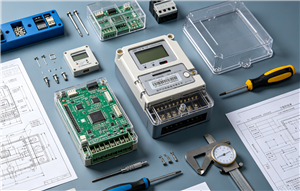
Reducing PCB and housing mismatch in smart meter component sourcing requires more than checking electrical function or external dimensions alone. Buyers and engineers should confirm PCB outline, housing internal structure, component direction, tolerance margin, and real assembly fit before approving parts. When these points are reviewed together and early enough, the project becomes much less likely to face repeated samples, delayed approval, or costly structural rework later.
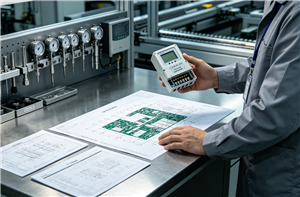
The smart meter components that usually cause delays before mass production are the ones that require deeper confirmation in electrical fit, structural fit, repeated-use stability, and future batch consistency. Current transformers, latching relays, and meter cases are often the most visible delay points, but shunt resistors and miniature voltage transformers can also slow the project when their real application conditions are not confirmed early. A stronger approval path reduces delay far more effectively than a faster but incomplete one.
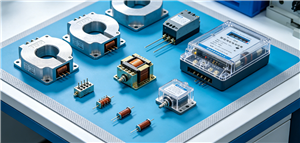
Avoiding sample approval mistakes in smart meter OEM projects requires more than confirming that the part works once in a basic review. Buyers and engineers should confirm application fit, dimensional relevance, electrical behavior, system-level compatibility, and future production readiness before approval. When these points are checked in a structured way, the project becomes much less likely to face hidden delays, repeated samples, or unstable batch performance later.
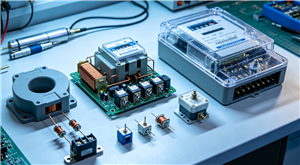
Comparing smart meter component suppliers without hidden risk requires more than checking sample price and response speed. Buyers should compare application understanding, sample realism, technical communication, quality control, project-stage support, and future batch readiness together. When these points are reviewed in a structured way, supplier selection becomes safer, more practical, and much more supportive of successful OEM cooperation.

Before paying for smart meter samples, buyers should confirm the real application, the technical requirement, the purpose of the sample, the dimensional fit, the production relevance, and the supplier’s follow-up support. A stronger confirmation process makes sample payment much more useful, reduces repeated changes, and gives the project a clearer path toward approval and future OEM supply.
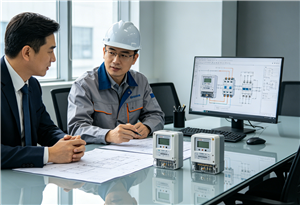
Smart meter samples often pass lab tests but fail in real projects because the lab test is only part of the picture. Real project success depends on application matching, system-level validation, long-term stability, and future batch consistency. When buyers and engineers confirm these points before approval, they can reduce redesign, avoid delayed mass production, and build a more reliable smart meter supply path.
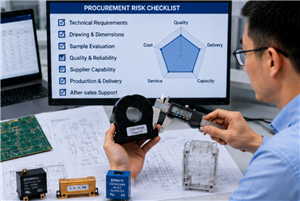
Reducing procurement risk when buying smart meter components from China requires more than checking price and delivery time. Buyers should confirm product fit, RFQ clarity, sample reliability, supplier process control, communication quality, and future batch readiness before moving forward. When these points are managed together, sourcing becomes more efficient, quotations become more accurate, and OEM smart meter projects become much easier to control.
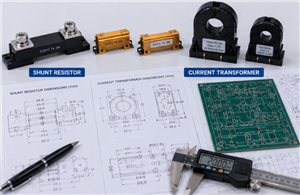
How To Choose Between Shunt Resistors And Current Transformers For Different Smart Meter Designs
Choosing between shunt resistors and current transformers for different smart meter designs requires more than a simple cost comparison. The right method depends on the project’s current sensing architecture, safety structure, thermal strategy, integration style, and long-term production plan. When buyers and engineers evaluate these factors together, they can choose a sensing method that supports not only the design target, but also smoother OEM execution and lower future risk.