Industry News
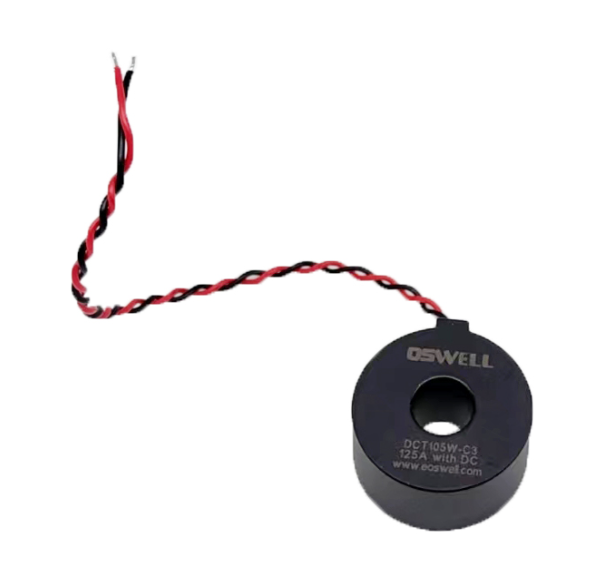
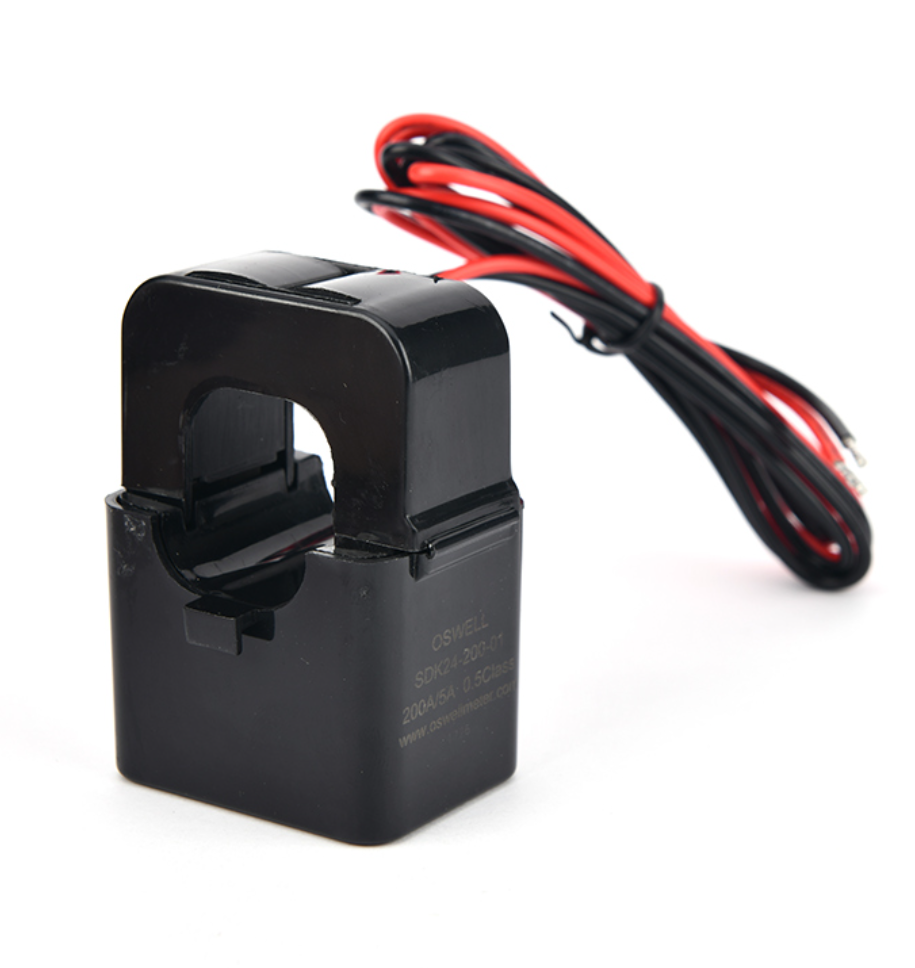
Comparing Split-Core and Solid-Core CTs
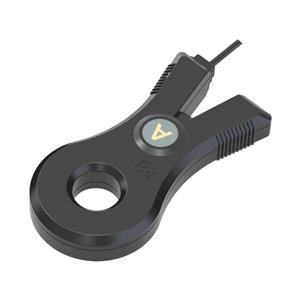
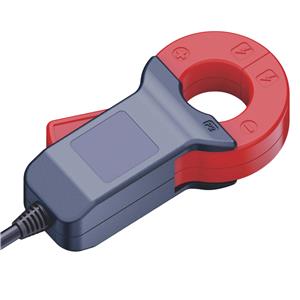
In conclusion, the choice between split-core and solid-core Current Transformers is not about which is universally "better," but about selecting the right tool for a specific application challenge. Solid-core CTs excel in environments where maximum accuracy, stability, and cost-efficiency for new installations are the priorities. Split-core CTs provide an indispensable, practical solution for modernizing existing infrastructure, enabling live installation, and facilitating energy audits and monitoring where system interruption is not an option. Understanding this core trade-off—between the theoretical performance perfection of a solid toroid and the unparalleled installation flexibility of a split-core design—is essential for engineers and project planners to deploy effective, reliable, and economical current sensing solutions.
In conclusion, ensuring the accuracy and reliability of a Current Transformer is a holistic commitment that spans the entire production lifecycle. It starts with the precision engineering of core materials and windings, is solidified through protective processes like automated potting and advanced welding, and is unequivocally validated by exhaustive calibration and testing. Each step is interlinked, designed to eliminate variability and fortify the component against time and environmental stress. For manufacturers of energy meters and protection devices, partnering with a CT producer that masters this integrated approach—like Oswell with its automated production and test laboratories—is not just a procurement decision; it is a strategic investment in the foundational measurement integrity of their own end products.
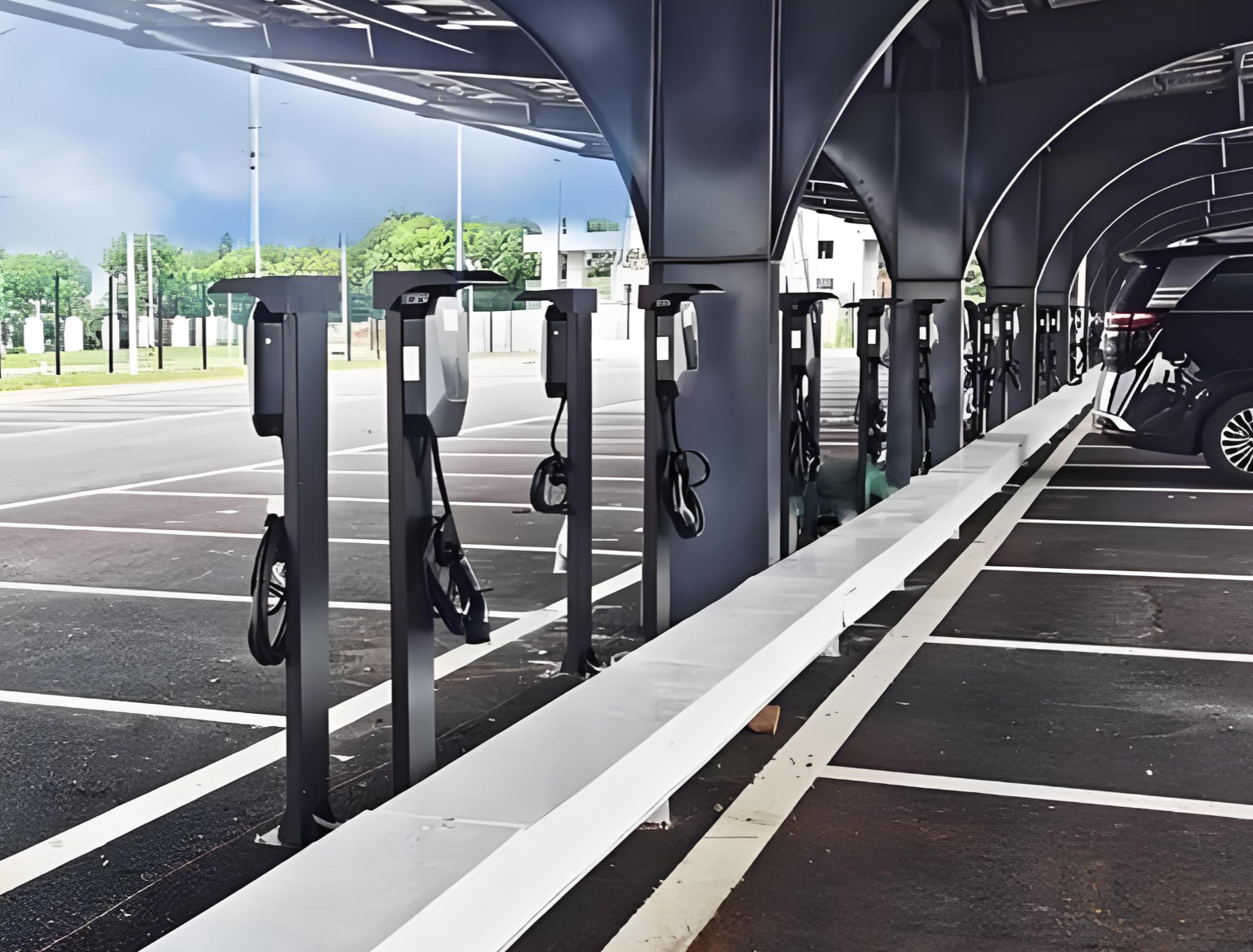
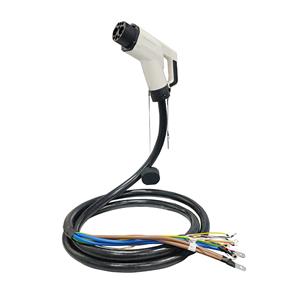
Effective EV charging in cold regions is a sophisticated dance of coordination between the vehicle's intelligent thermal management and the charger's hardened, adaptive design. Battery preconditioning ensures the energy storage unit is primed for efficient, high-power acceptance, protecting its long-term health. Simultaneously, cold-weather optimized chargers guarantee the infrastructure's availability and performance, forming a reliable link in the chain. This dual approach—proactive vehicle preparation and resilient charger engineering—transforms the winter EV experience from one of frustration and range anxiety to one of predictable, efficient, and safe mobility. It represents a critical evolution in EV technology, making electric transportation a practical and reliable choice for all climates, thereby accelerating the global transition to sustainable energy.
While Oswell's reputation is firmly built on electrical measurement mastery, its core competencies in precision manufacturing, robust design, and industrial application understanding form a perfect springboard into adjacent sensing fields. Exploring thermal, environmental, and position sensing is not a diversification away from strength, but a logical and strategic deepening of it. By creating a unified ecosystem that measures not just electricity but the physical conditions affecting it, Oswell can offer unparalleled insights into system health and performance. This evolution positions the company to provide the complete sensory nervous system for the electrified and automated world, transforming from a specialist in measurement components into an indispensable architect of intelligent, reliable, and data-driven industrial infrastructure.
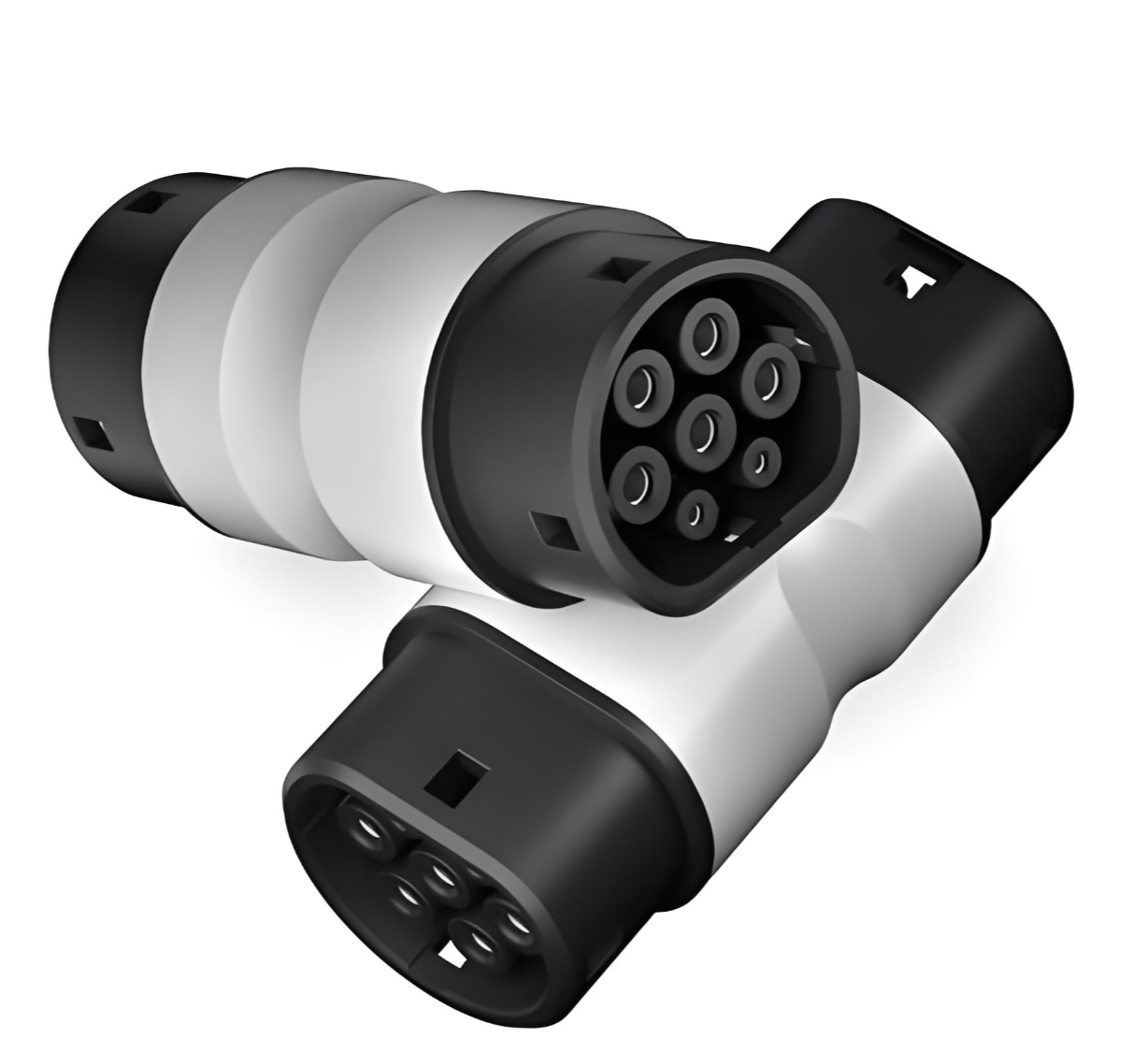
Designing EV chargers for humid environments is a testament to comprehensive, forward-thinking engineering. It moves beyond basic functionality to build resilience against a slow, persistent threat. By integrating robust IP-rated sealing, humidity-resistant materials, protective conformal coatings, and moisture-aware electrical safety features, manufacturers like Oswell create products that are not merely waterproof, but truly climate-robust. This meticulous approach ensures that from a foggy seaside park to a humid subterranean garage, the charger delivers safe, stable, and uninterrupted service, protecting both the user and the vehicle while fulfilling the promise of reliable electric mobility in every corner of the world.
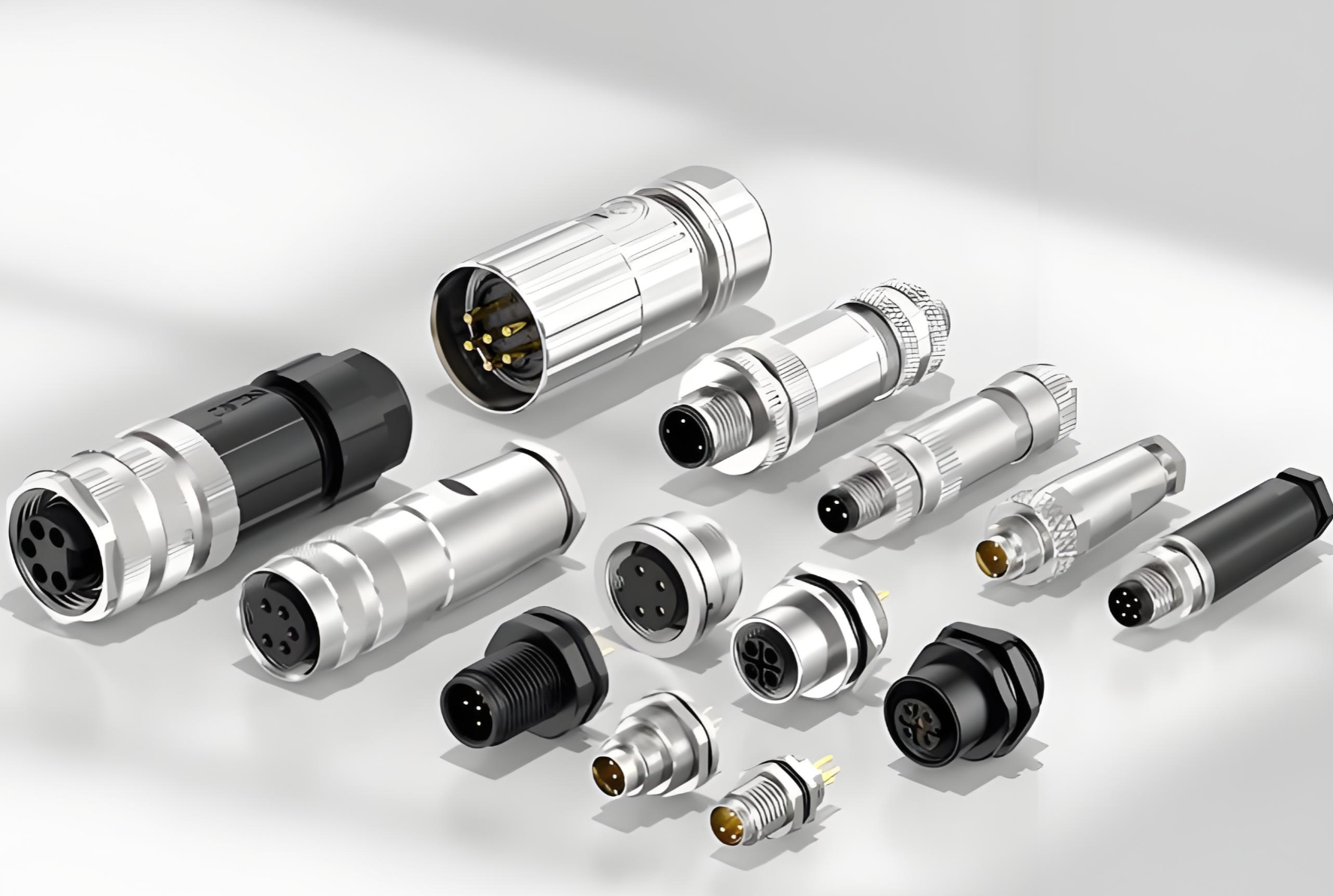
While microchips and software algorithms capture the spotlight in smart metering innovation, the silent, physical foundation built by precision stamping and connector manufacturing is what ultimately guarantees decades of trustworthy operation. It is a realm where material science, mechanical engineering, and process control converge to create seemingly simple parts with extraordinary demands. By mastering the arts of micron-level stamping, uniform plating, and stable molding, manufacturers like Oswell provide the indispensable, high-reliability interconnects that ensure every watt-hour is counted accurately and every signal is transmitted faithfully. In the world of metering, true reliability is not only programmed—it is literally stamped, plated, and molded into place.
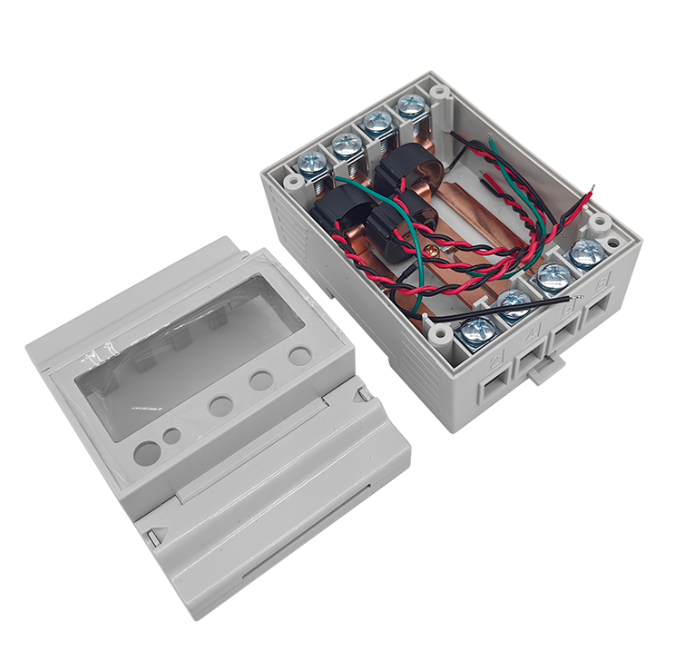
Oswell’s evolution from a smart meter component specialist to a key player in the EV charging ecosystem is a masterclass in strategic technological leveraging. It is not a story of abandoning a core competency but of recognizing and activating deep technological synergies. The company’s DNA in precision measurement, robust power management, and reliable communication provided the perfect gene pool for innovating in the adjacent field of smart energy transfer. This unique position allows Oswell to deliver charging solutions that are not just powerful, but are inherently smarter, more reliable, and more seamlessly integrated into the broader energy infrastructure—from the meter on the wall to the charging pile in the lot. In an industry racing towards an electrified future, Oswell demonstrates that sometimes, the most powerful forward leap comes from a deep understanding of the fundamental currents that have always powered progress.
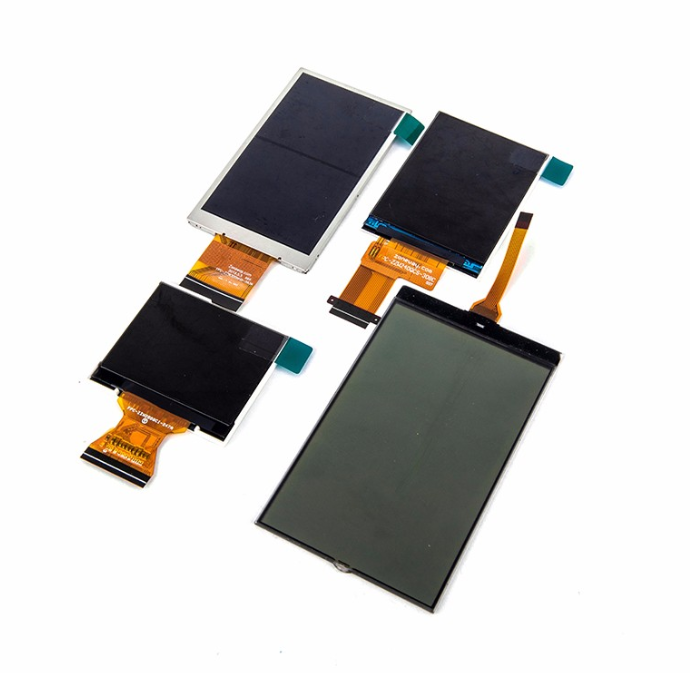
The choice between resistive and capacitive touch for rugged HMIs is a strategic trade-off between ultimate environmental resilience and advanced user interface features. For applications where absolute reliability under harsh conditions, glove operation, and cost-effective durability are paramount—such as in industrial controls, outdoor EV chargers, or construction equipment—resistive technology remains the robust and pragmatic choice. It ensures uninterrupted operation where it matters most. Conversely, for indoor or sheltered applications where visual appeal, multi-touch functionality, and bare-finger precision are prioritized and environmental stresses are controlled, capacitive screens offer a premium experience. Manufacturers like Oswell leverage this understanding to specify the optimal touch solution, ensuring that the HMI not only functions on day one but continues to perform reliably for years under the specific stresses of its intended operational life.
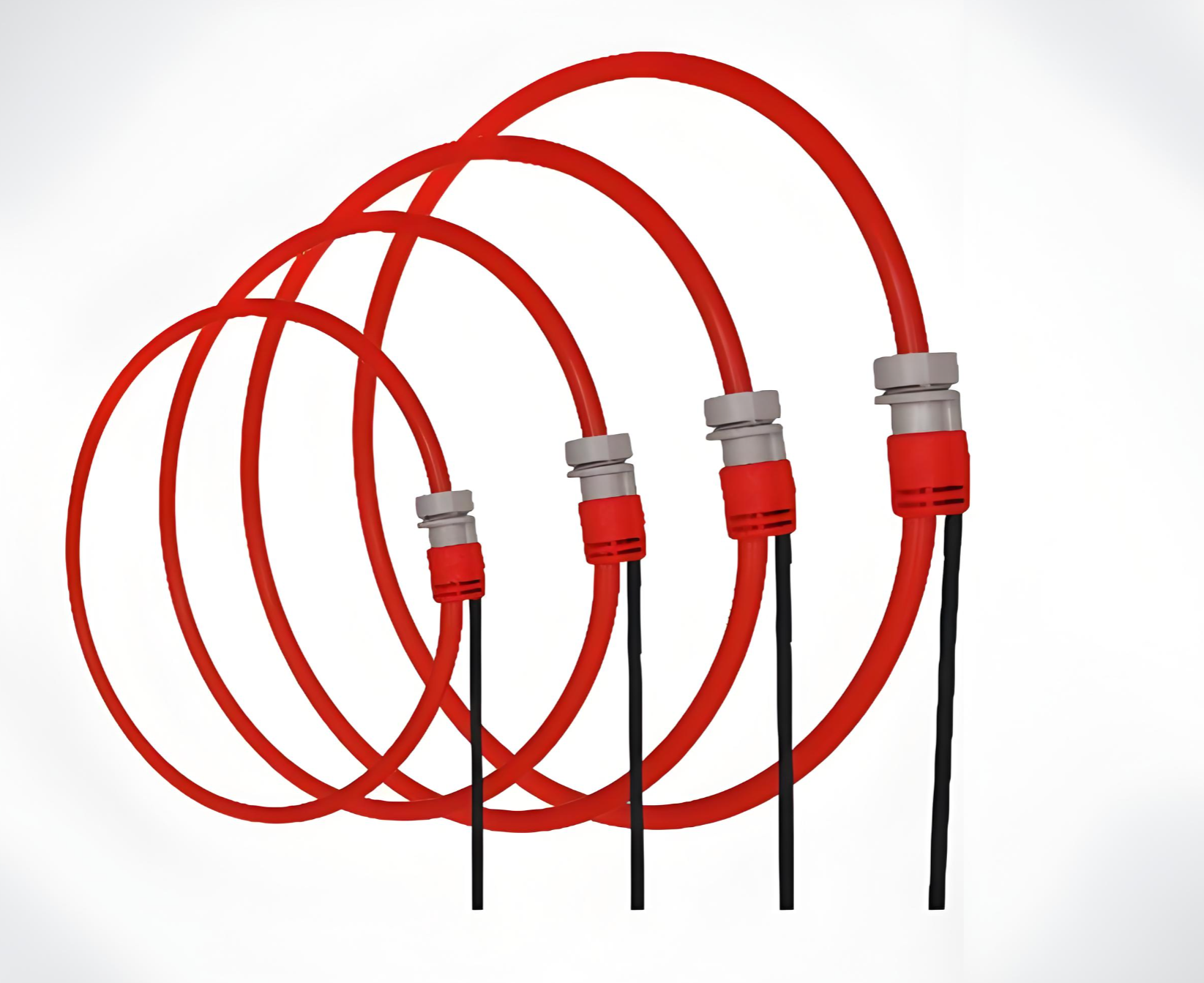
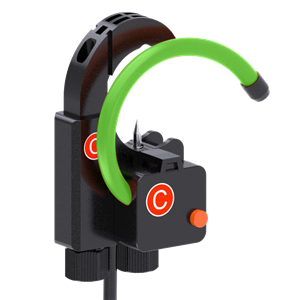
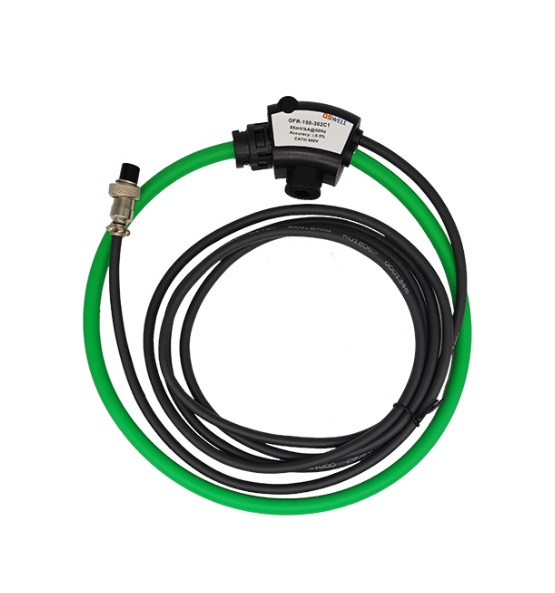
In the evolving landscape of electrical engineering, where waveforms are increasingly complex, the limitations of traditional measurement methods become starkly apparent. Oswell's Rogowski coils transcend these limitations by offering a blend of linearity, dynamic range, frequency response, and safety that is perfectly suited for the modern grid. They are not merely an alternative to traditional CTs; they are an enabling technology for accurate measurement in the age of power electronics and distributed generation, providing the clarity needed to optimize, protect, and innovate within increasingly sophisticated electrical ecosystems.
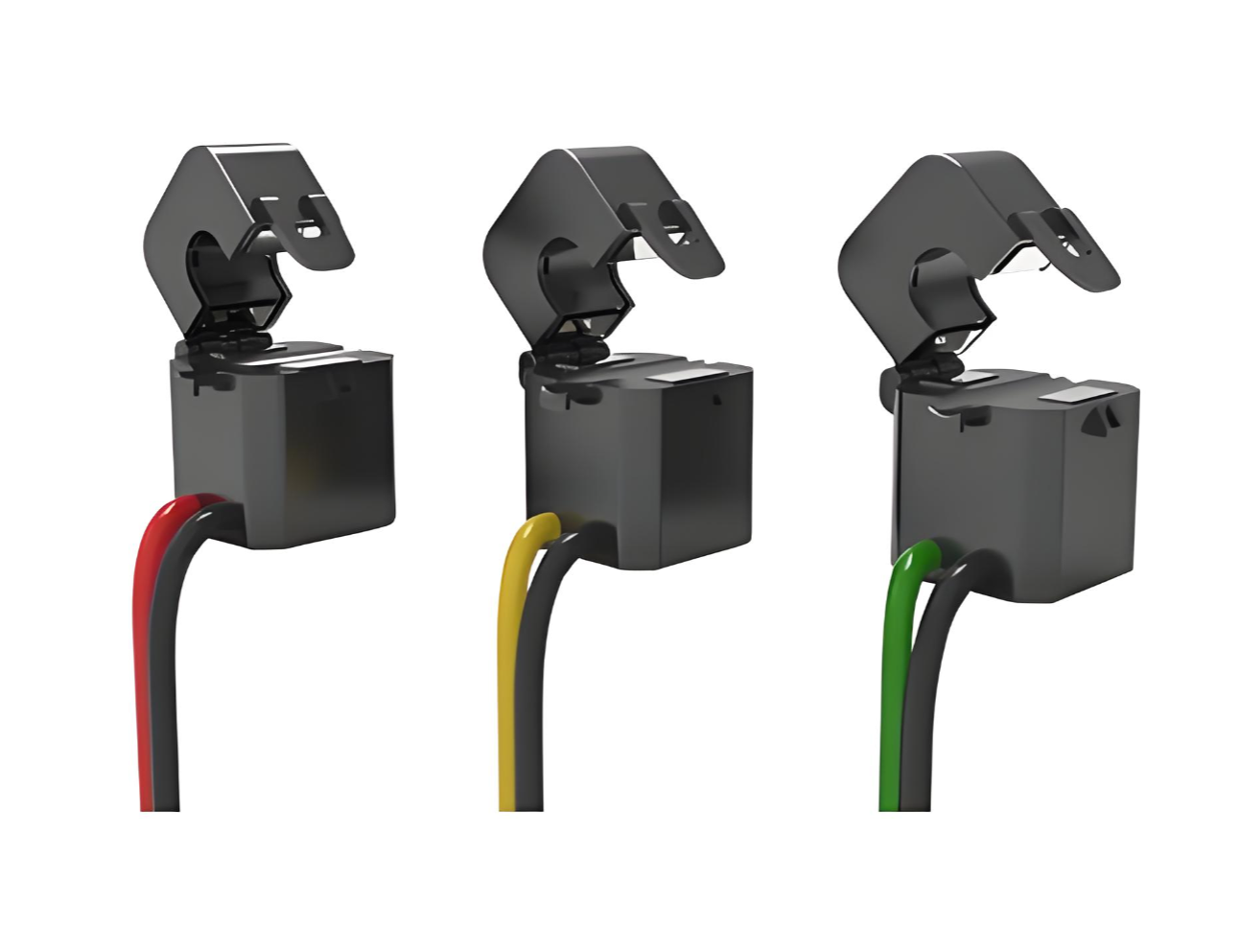
Oswell's split-core current transformers represent more than just a convenient tool; they are an enabler of the modern, data-driven approach to energy management. By solving the critical problem of installation downtime, they transform energy monitoring from a disruptive, high-cost project into a seamless, value-adding service. This technology empowers organizations to gain immediate visibility into their energy consumption, make informed decisions that reduce costs and carbon footprint, and build more resilient and efficient operations—all without flipping a single switch to "off."