Industry News
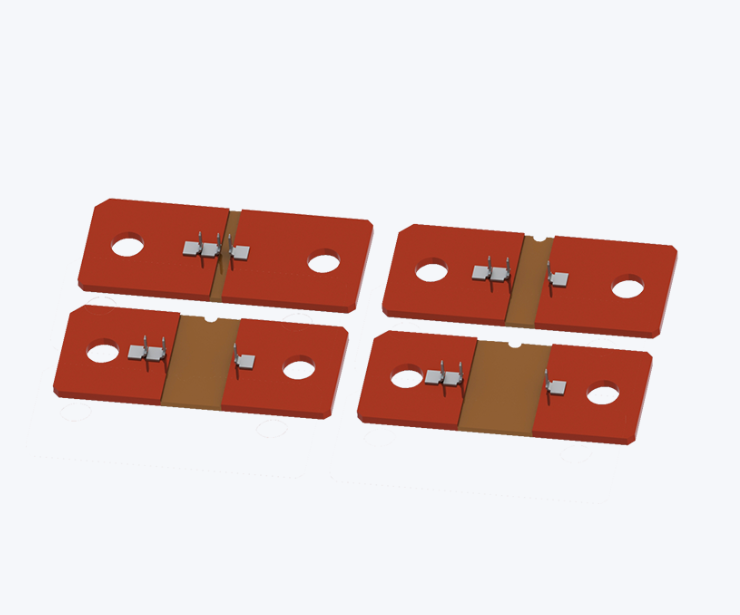
The evolution from brass to Manganin encapsulates Oswell's commitment to scientific advancement and precision. It's a journey from acceptable conductivity to engineered stability, where material science is meticulously applied to solve real-world measurement challenges. By mastering the properties of Manganin and coupling it with rigorous manufacturing discipline, Oswell establishes its shunt resistors as pillars of reliability in applications where measurement accuracy is non-negotiable. This focus on foundational component excellence ultimately powers smarter, safer, and more efficient electrical systems across the globe.
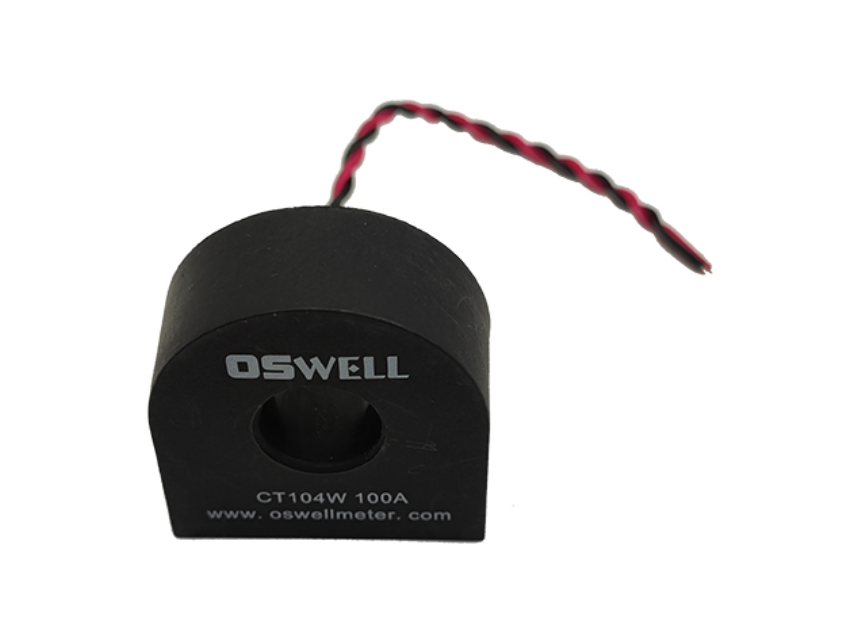
Oswell's automatic winding process is a cornerstone of their manufacturing excellence, directly translating into superior CT performance. By ensuring precision in electrical characteristics, enhancing mechanical durability, and guaranteeing production consistency, this automated approach delivers current transformers that are accurate, reliable, and built to last. This commitment to advanced manufacturing is why Oswell's CTs are trusted in critical applications worldwide, providing the foundation for accurate energy measurement and safe electrical system operation.
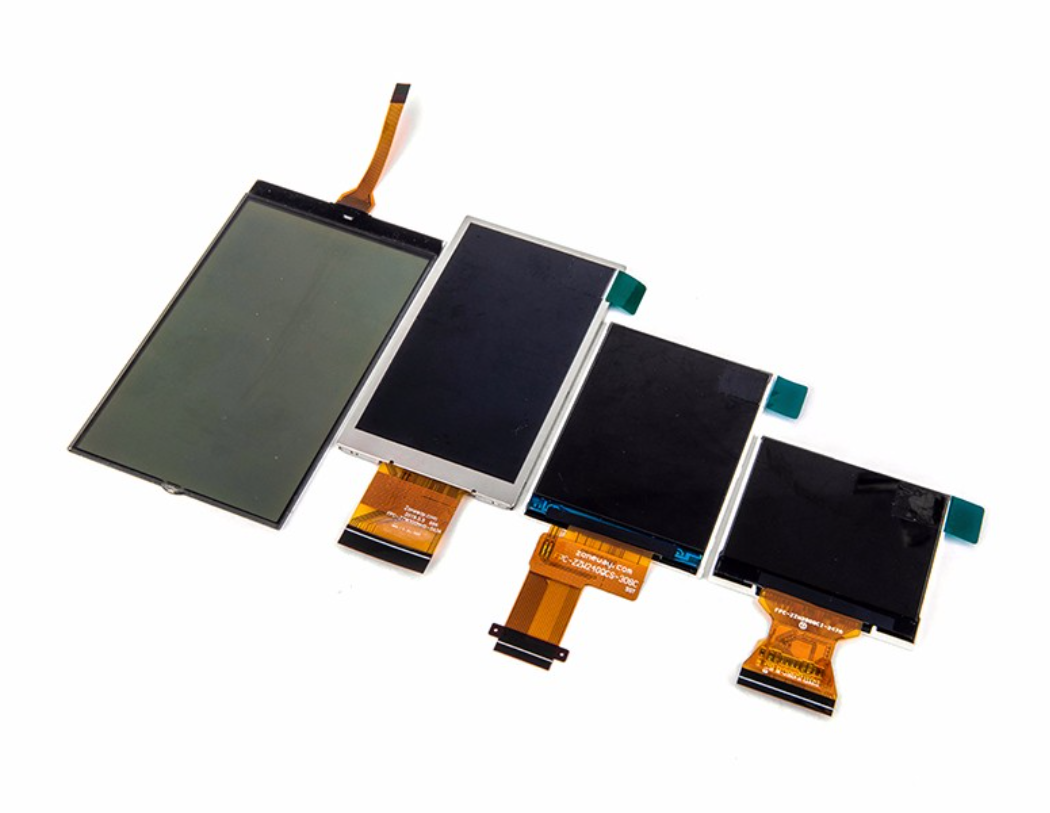
Oswell’s LCD Displays for Charging Piles
Oswell's LCD displays represent a critical component in modern charging infrastructure, combining advanced visibility features, robust communication capabilities, and exceptional durability to deliver superior user experiences and operational efficiency. Their designs address the specific challenges of charging environments while supporting the evolving needs of smart charging networks through flexible integration options and future-proof communication protocols. As the EV charging industry continues to expand, Oswell's display solutions provide the reliability and performance necessary to support the growing demands of both operators and EV users worldwide.
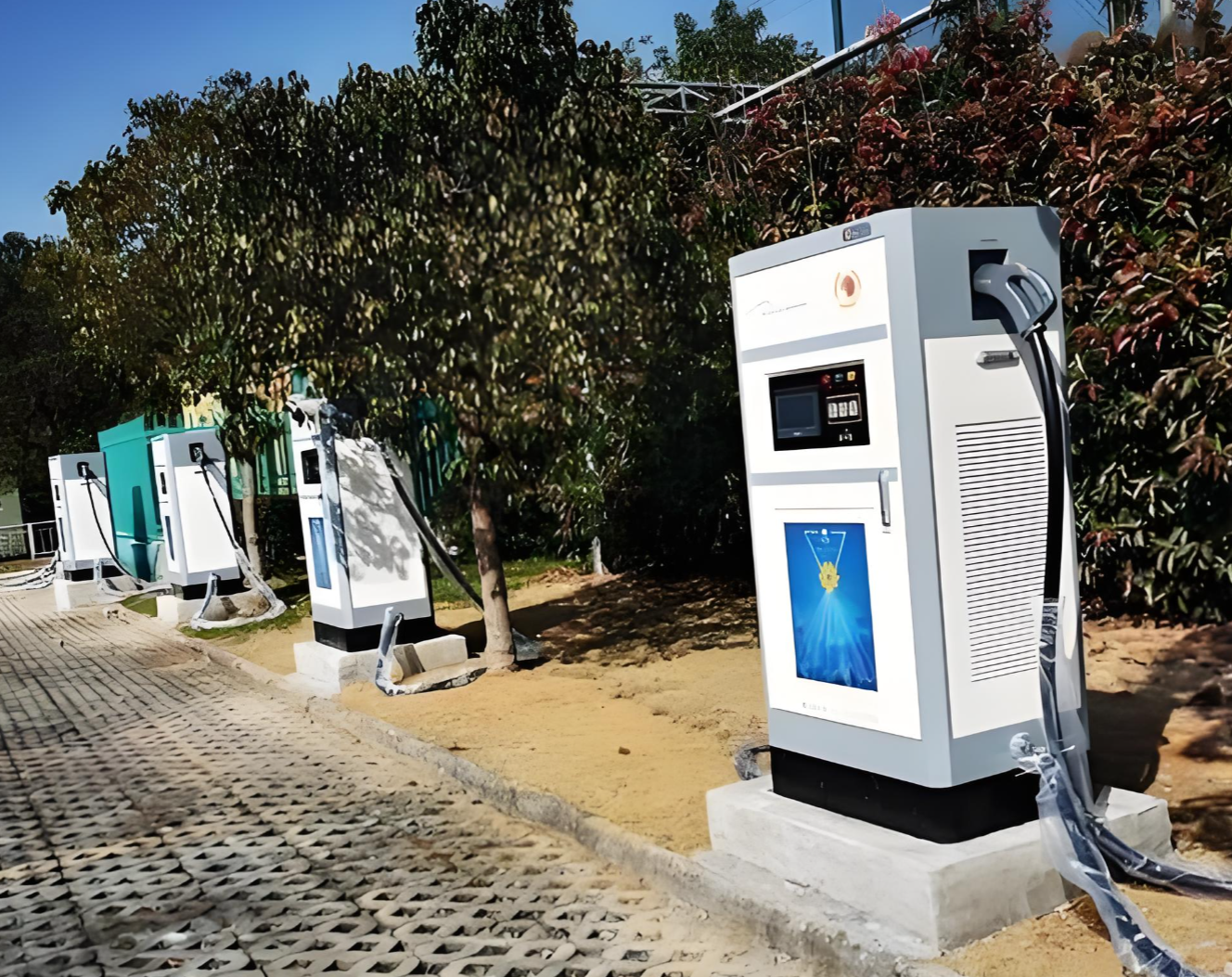
EV charging stations are pivotal enablers of carbon neutrality, operating on three synergistic fronts: they directly enable the replacement of high-emission vehicles, intelligently integrate transportation with a cleaner power grid through smart and bi-directional charging, and are themselves being built with greater sustainability in mind. As key infrastructure providers like Oswell continue to innovate in charging technology, grid interaction, and sustainable manufacturing, their role in supporting global carbon neutrality goals becomes increasingly vital and impactful.
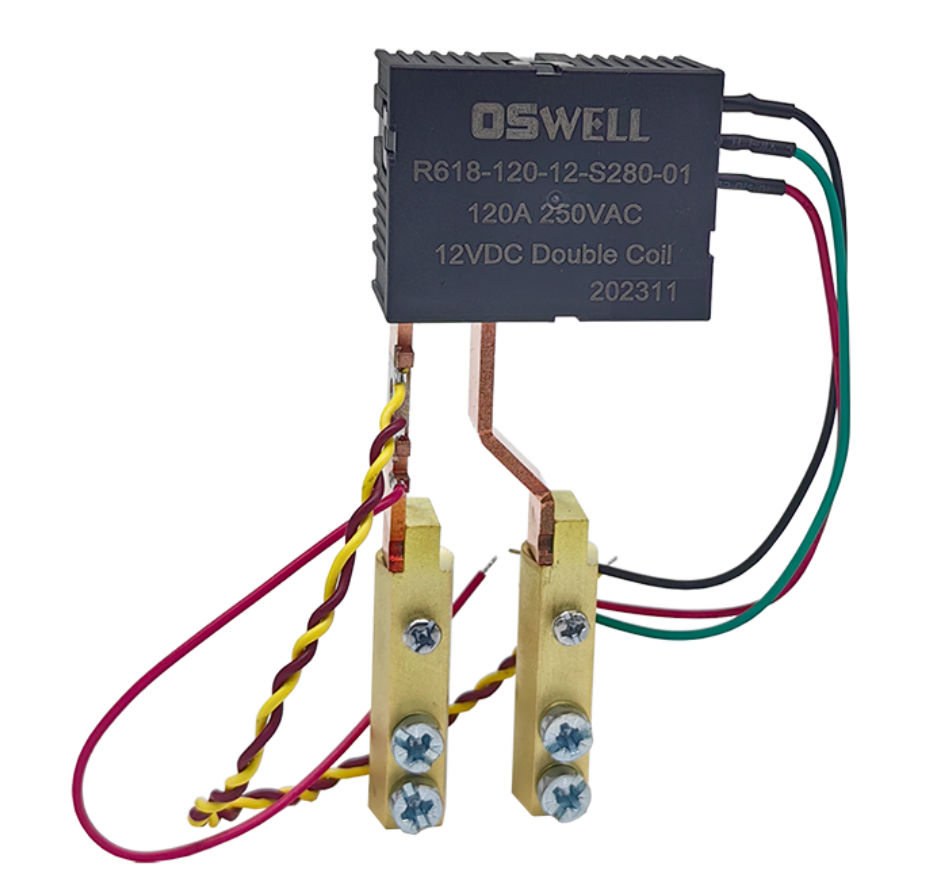
Latching relays are not merely components but enablers of efficiency, accuracy, and reliability in energy metering. Their bistable operation ensures minimal power consumption, their inherent memory function guarantees accurate tariff application, and their robust design delivers long-term safety and cost savings. The integration of high-performance latching relays from specialized manufacturers like Oswell is, therefore, a critical design choice for developing next-generation metering devices that meet the evolving demands of modern energy management systems.
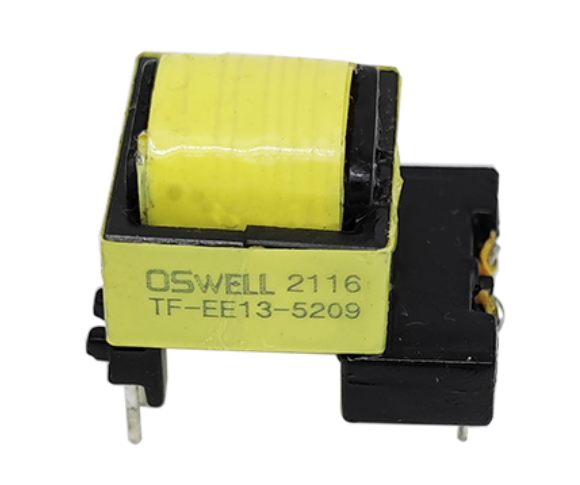
The automatic potting process is a transformative manufacturing technology that profoundly enhances transformer durability on multiple fronts. It provides an unparalleled level of protection against environmental hazards, significantly boosts mechanical robustness and thermal performance, and ensures consistent electrical integrity through precision automation. For manufacturers like Oswell, investing in such advanced automated processes is a direct investment in product quality, reliability, and customer satisfaction, ultimately delivering transformers that are built to last in the most demanding applications.
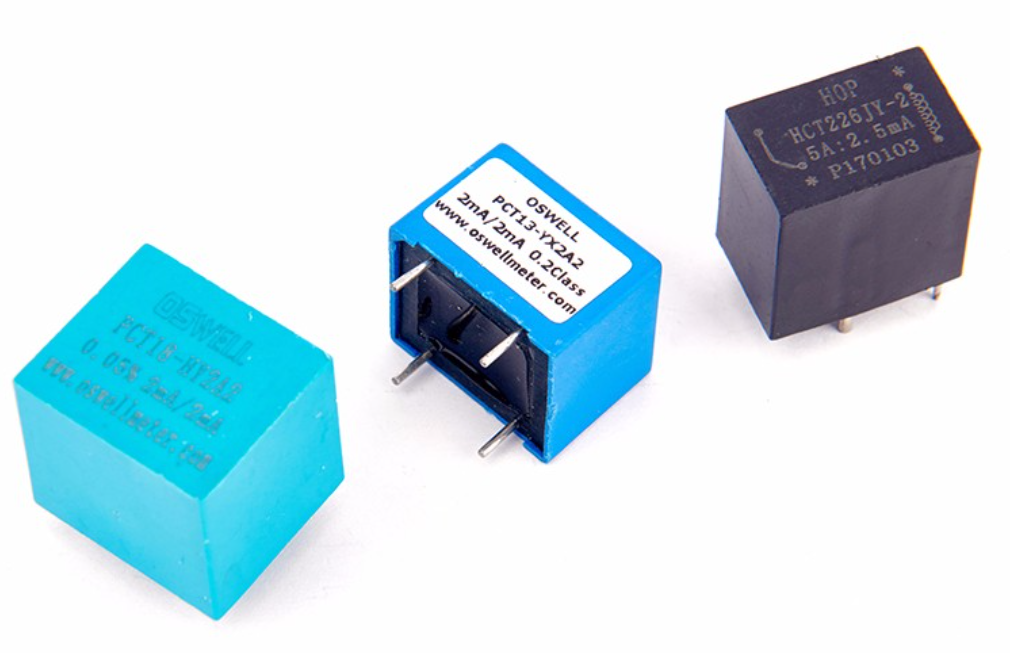
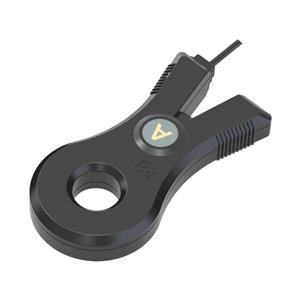
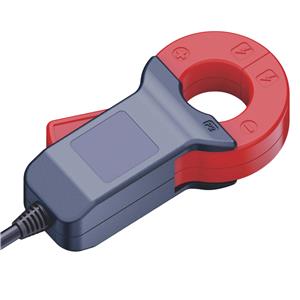
Current Transformers are indispensable safety guardians in smart grids, functioning on multiple levels. They provide the foundational data for rapid fault protection, enable intelligent monitoring and predictive maintenance to prevent failures, and are crucial for managing the stability challenges introduced by renewable energy. The reliability, accuracy, and advanced features of CTs from established manufacturers like Oswell are therefore not just a matter of measurement quality but a cornerstone of building a safer, more resilient, and intelligent electrical infrastructure for the future.
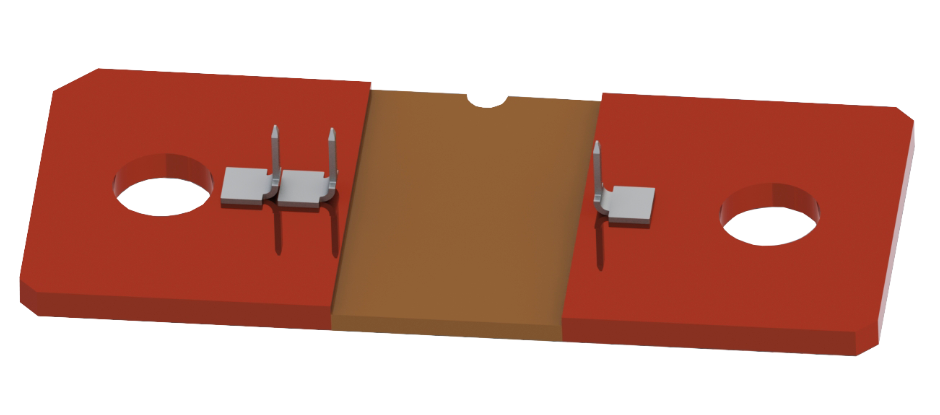
Far from being a simple passive component, the shunt sensor is a pivotal technology that dictates the accuracy and intelligence of a Battery Management System. Its role in providing precise, stable, and temperature-resilient current data is irreplaceable for calculating State of Charge, State of Health, and implementing protective controls. Investing in high-quality, precision-engineered shunt sensors, such as those from Oswell, is a foundational decision that safeguards battery safety, unlocks optimal performance, and ensures the long-term reliability and value of any energy storage or electric mobility system.
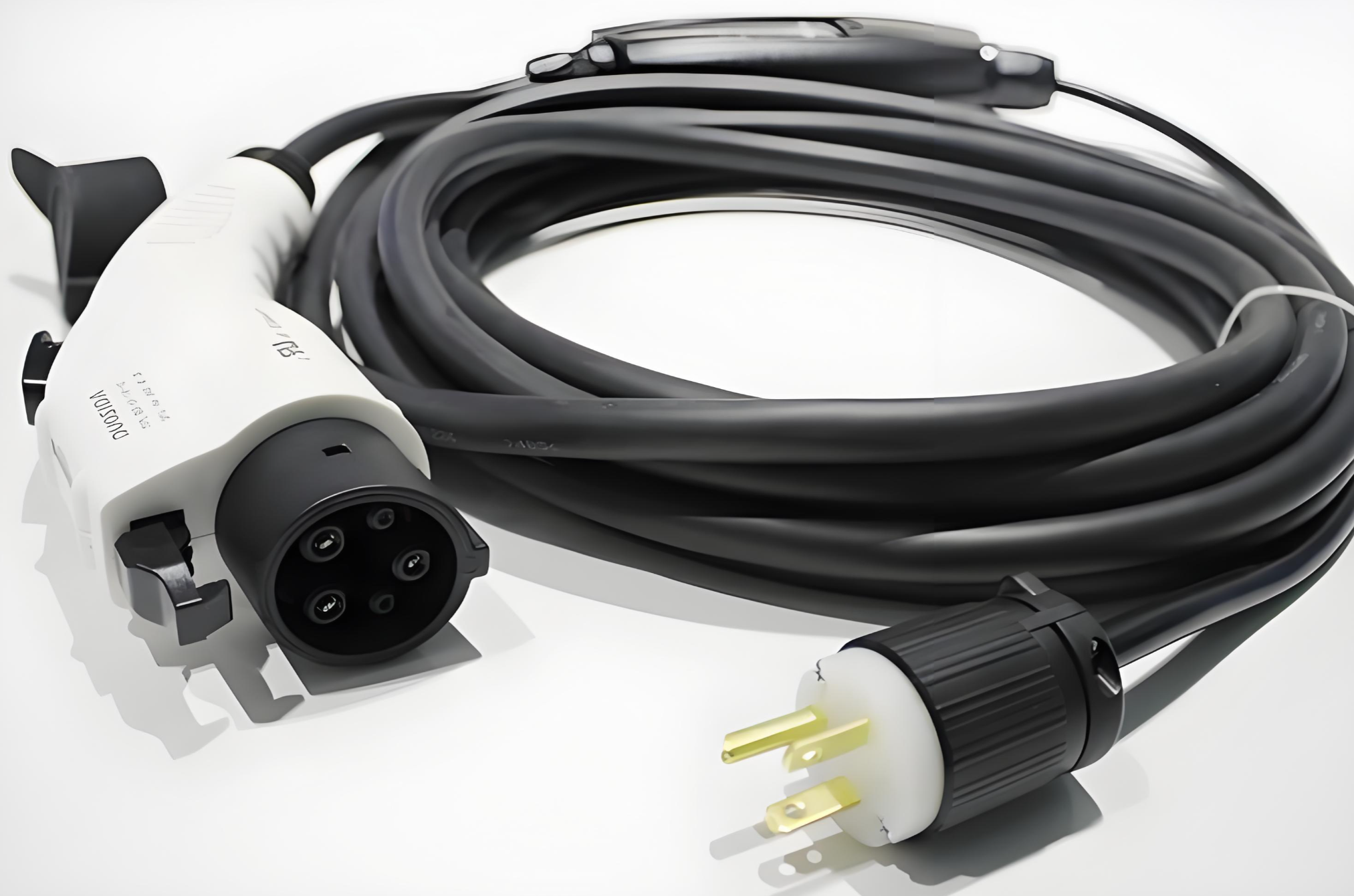
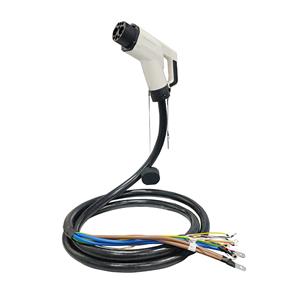
Choosing the right EV charging cable is a critical decision that impacts safety, efficiency, and convenience. By systematically evaluating connector compatibility, core specifications like current rating and durability, and essential safety certifications, you can make an informed choice. Partnering with an established and innovative manufacturer like Oswell E-Group guarantees access to premium, reliable cables designed to meet global standards and withstand real-world demands, ensuring your electric journey is powered smoothly and securely.
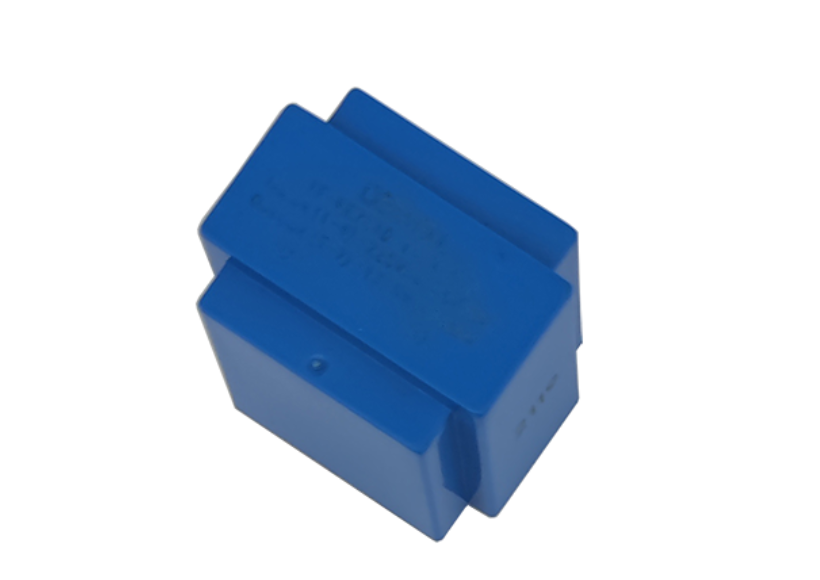
Consistency in Transformer Production
Consistency in transformer production is achieved through the integration of advanced manufacturing technologies, rigorous material controls, and systematic quality assurance processes. Oswell's commitment to maintaining identical performance characteristics across all production batches ensures that customers receive reliable, predictable products that meet their exact specifications every time. This dedication to consistency not only enhances product reliability but also builds long-term trust with customers who depend on transformers for critical applications.