Industry News
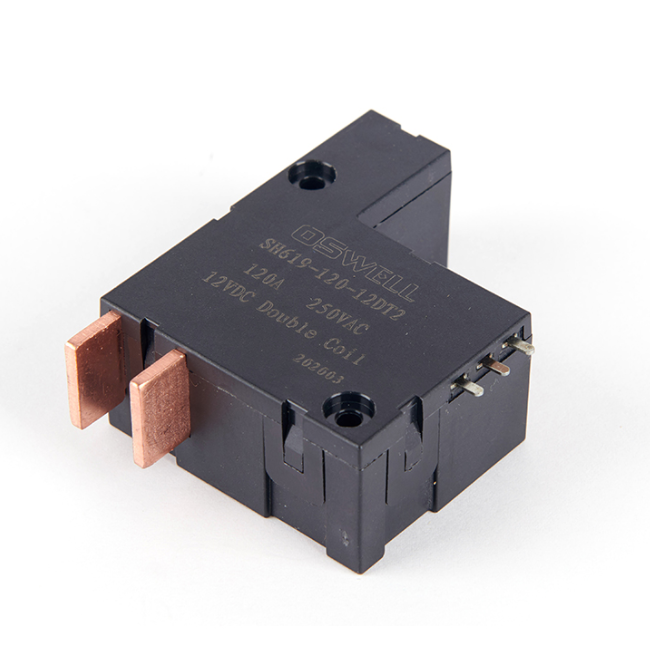
Before ordering a smart meter relay, buyers should check three things in depth: whether the relay truly matches the electrical load and drive architecture, whether reliability and standards are supported by meaningful test data, and whether the relay can stay consistent and integration-friendly in real production. A smart meter relay is not just a switching part. It is a field-risk component, a cost-of-ownership decision, and a key factor in long-term meter performance.
Long-term operating stability should never be judged by initial appearance, short sample testing, or price alone. It should be evaluated through performance retention, thermal behavior, material reliability, life testing, batch consistency, and full-system risk. For procurement teams, the most valuable product is not simply the one that can pass a first test, but the one that can keep working accurately, safely, and consistently throughout the real service life of the project.
In the global pursuit of energy efficiency and grid modernization, every component counts. Precision-made Current Transformers, as exemplified by Oswell E-Group’s products, play a disproportionately large role in this endeavor. By fundamentally reducing internal core losses and providing the accurate, reliable data necessary for intelligent grid management, these components are indispensable tools for minimizing energy waste. The resulting savings enhance operational economics for utilities, empower consumers with trustworthy data, and collectively support broader environmental sustainability goals. Investing in precision CT technology is, therefore, a strategic move toward a more efficient and resilient energy future.
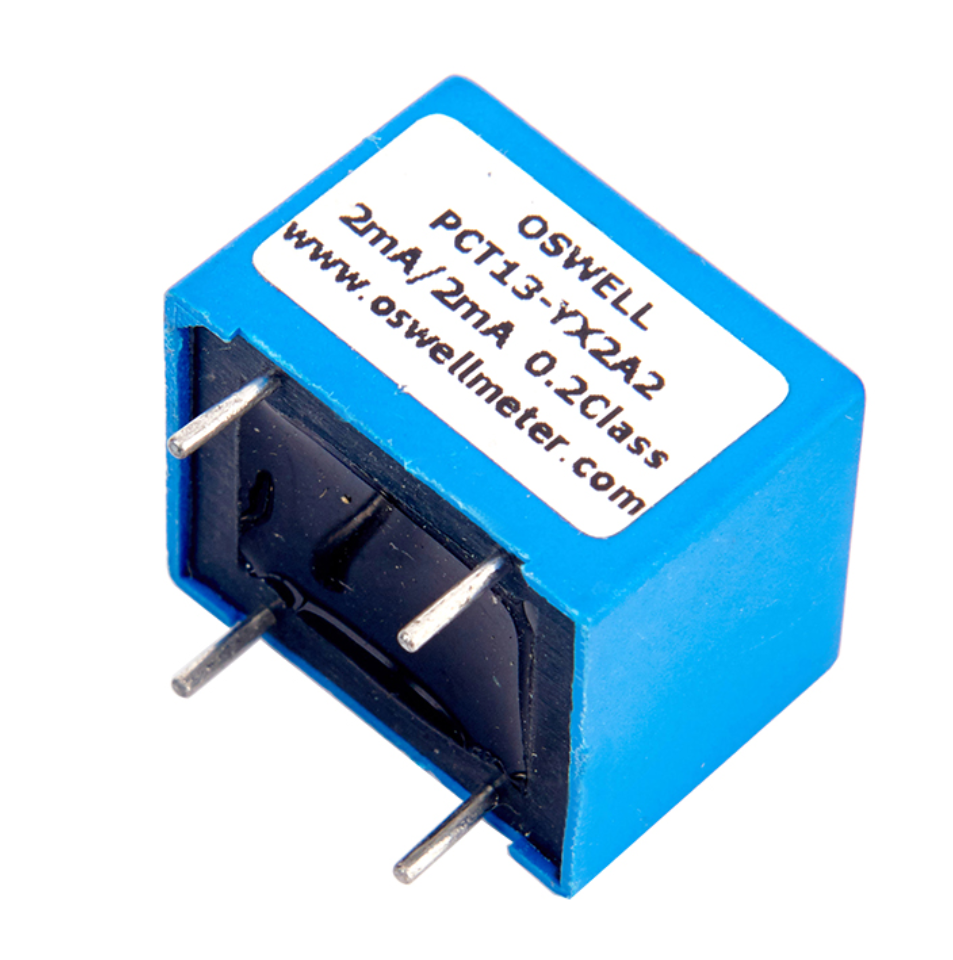
Signal integrity is not a luxury but a necessity in today’s data-driven and efficiency-critical electrical systems. High-precision miniature voltage transformers are sophisticated components that do more than just scale voltage; they act as guardians of signal purity. By meticulously addressing core material science, winding precision, and robust isolation, manufacturers like Oswell E-Group produce VTs that deliver uncompromised signal fidelity. This commitment to precision directly enables the accuracy of energy measurement, the effectiveness of power quality analysis, and the reliability of advanced power electronics. Investing in such high-fidelity signal conditioning components is, therefore, a fundamental decision for building trustworthy, efficient, and future-ready electrical and electronic systems.
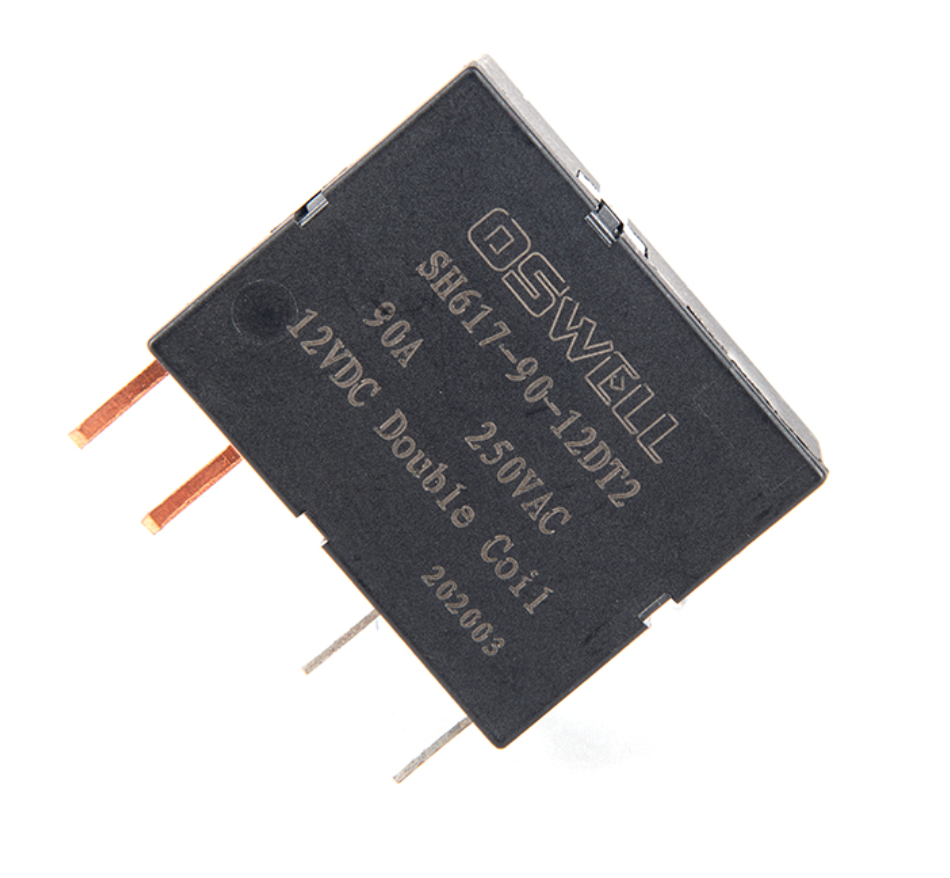
The debate between latching and standard relays in energy meters is decisively tilted towards latching technology in the era of smart, efficient grids. The latching relay's zero-power holding, superior reliability, and inherent fail-safe memory function address the critical needs of modern metering: minimizing system energy loss, ensuring long-term operational integrity, and enabling advanced tariff and load control features. While standard relays have their place in simpler applications, the latching relay, especially when engineered with the precision and quality focus of a supplier like Oswell E-Group, represents the intelligent, future-proof choice for building reliable, efficient, and full-featured energy measurement systems.
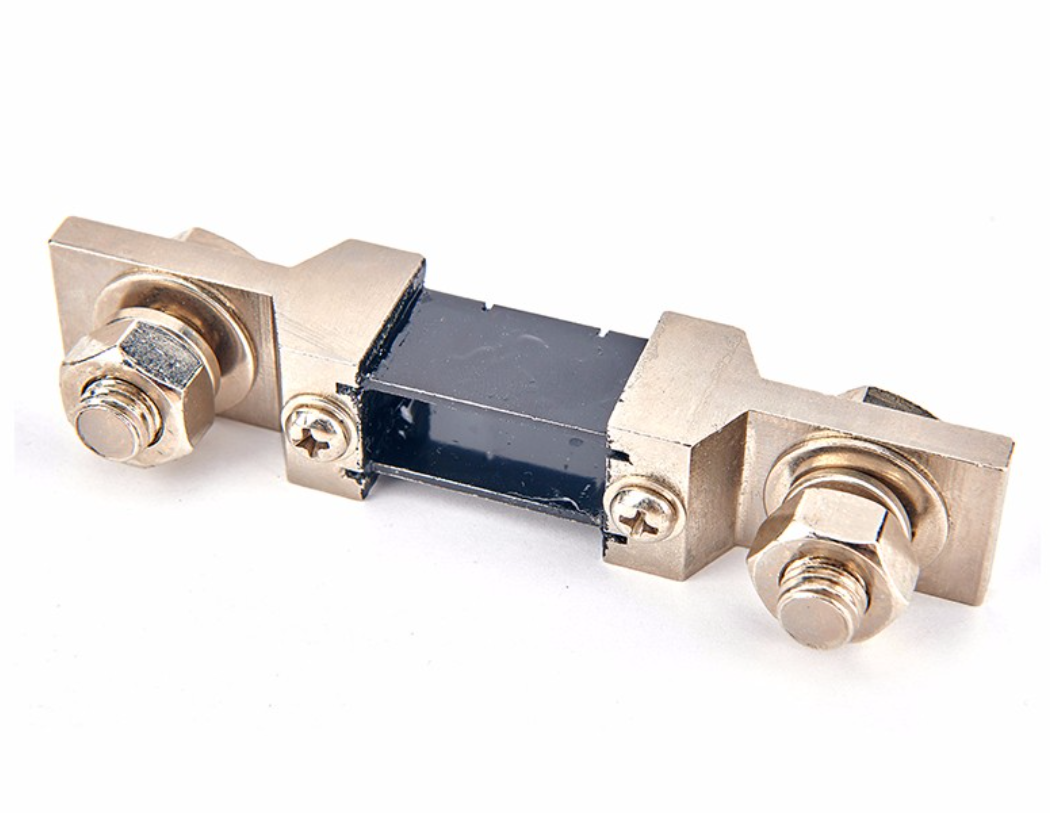
The shunt resistor, though small and often overlooked, plays an outsized role in the EV ecosystem. Its accuracy is the foundational data point upon which battery performance optimization and critical safety interventions are built. Inaccurate current sensing can lead to unreliable range estimates, accelerated battery degradation, and, in extreme cases, compromise vehicle safety. Investing in a high-precision, stable, and robustly engineered BMS shunt resistor, such as those from dedicated manufacturers, is not a cost but a strategic investment. It is an investment in driver confidence, vehicle performance, battery longevity, and above all, the fundamental safety that enables the widespread adoption of electric mobility. Precision in measurement is, therefore, the first and most crucial step towards a safe and efficient electric future.
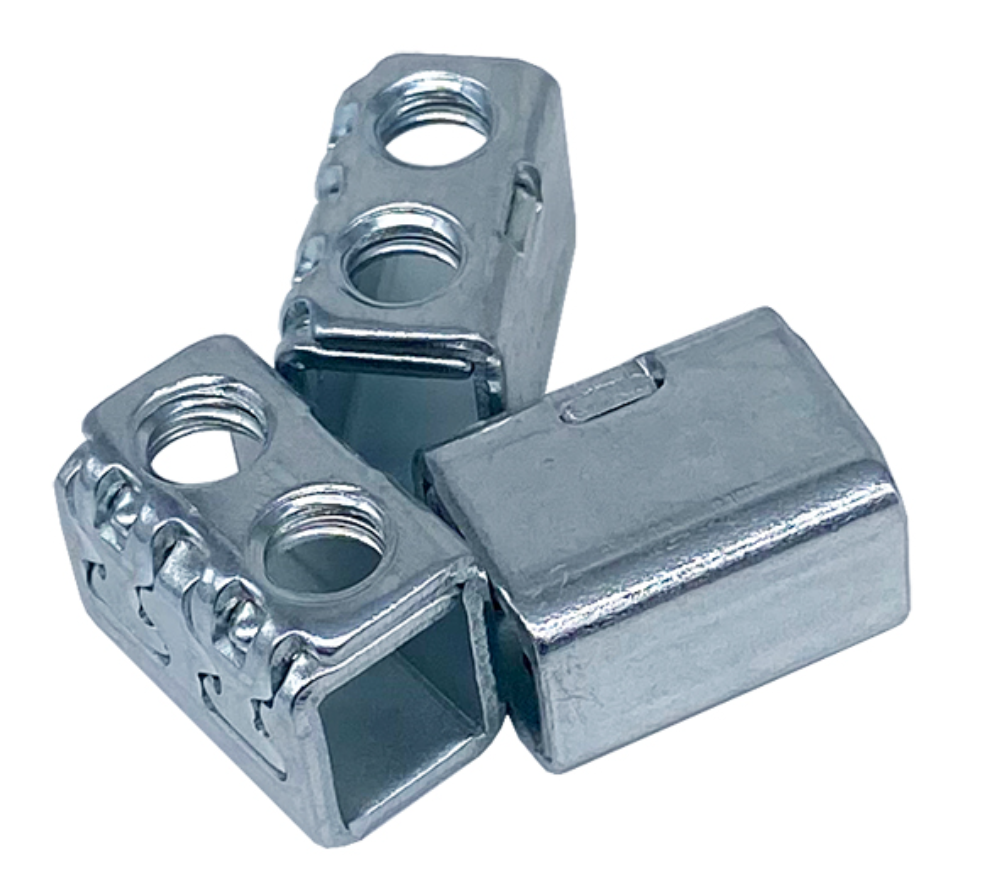
In industrial power distribution, the choice of a connection terminal is a critical decision that impacts safety, maintenance costs, and system longevity. 80A-100A cage clamp terminal blocks present a compelling solution that addresses the core challenges of this application. They deliver unmatched long-term connection stability through constant spring pressure, enhance installation efficiency and technician safety with user-friendly features, and are built with robust materials to endure harsh industrial conditions. By virtually eliminating the risks of loosening, overheating, and installation damage, they move from being a simple passive component to an active guarantor of system reliability. For engineers and procurement specialists sourcing components for durable and safe power systems, specifying high-quality cage clamp terminal blocks is a strategic investment in reducing total cost of ownership and ensuring uninterrupted operation.
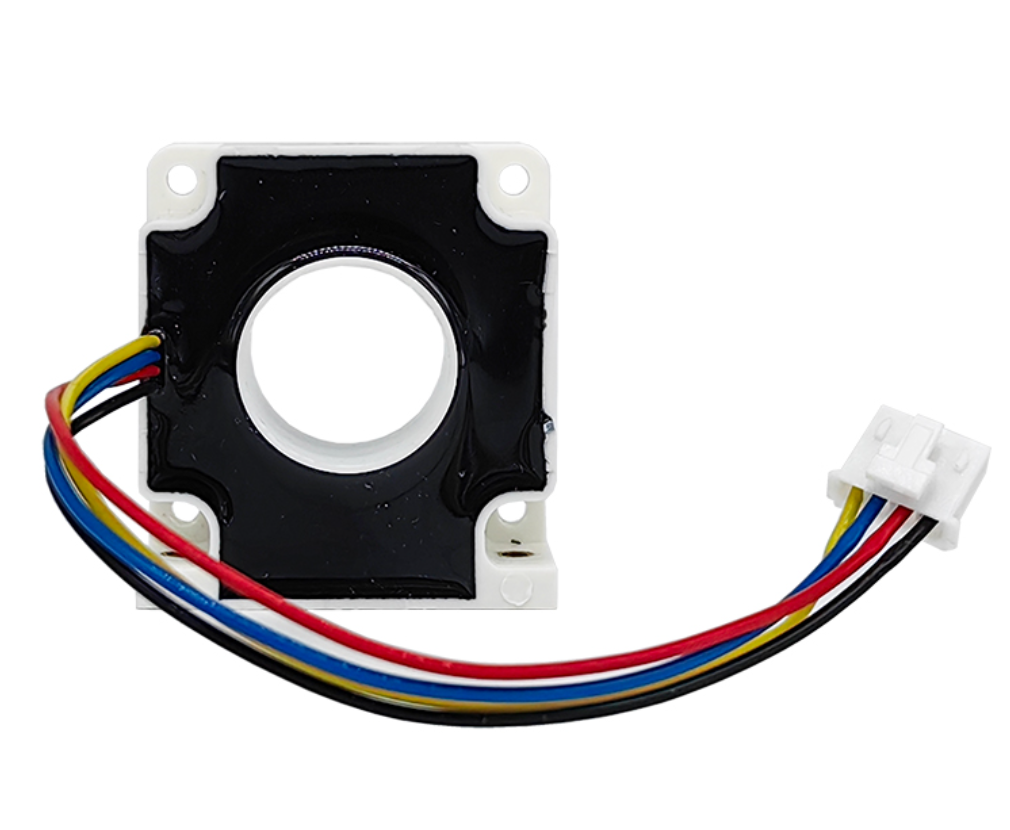
High-precision current transducers are far more than simple current-measuring devices; they are the essential data-acquisition front end for sophisticated power quality analysis. By providing accurate, high-fidelity current signals with wide bandwidth, low phase error, and excellent linearity, they form the foundation upon which disturbances are not only detected but also accurately quantified, analyzed, and understood. This precise measurement capability transforms raw grid data into actionable intelligence, enabling effective disturbance mitigation, ensuring compliance with stringent standards, and facilitating a shift towards proactive and predictive grid management. Investing in such high-performance sensing technology is, therefore, a strategic imperative for ensuring the stability, efficiency, and long-term reliability of modern electrical power systems in an era of increasing grid complexity and sensitivity.
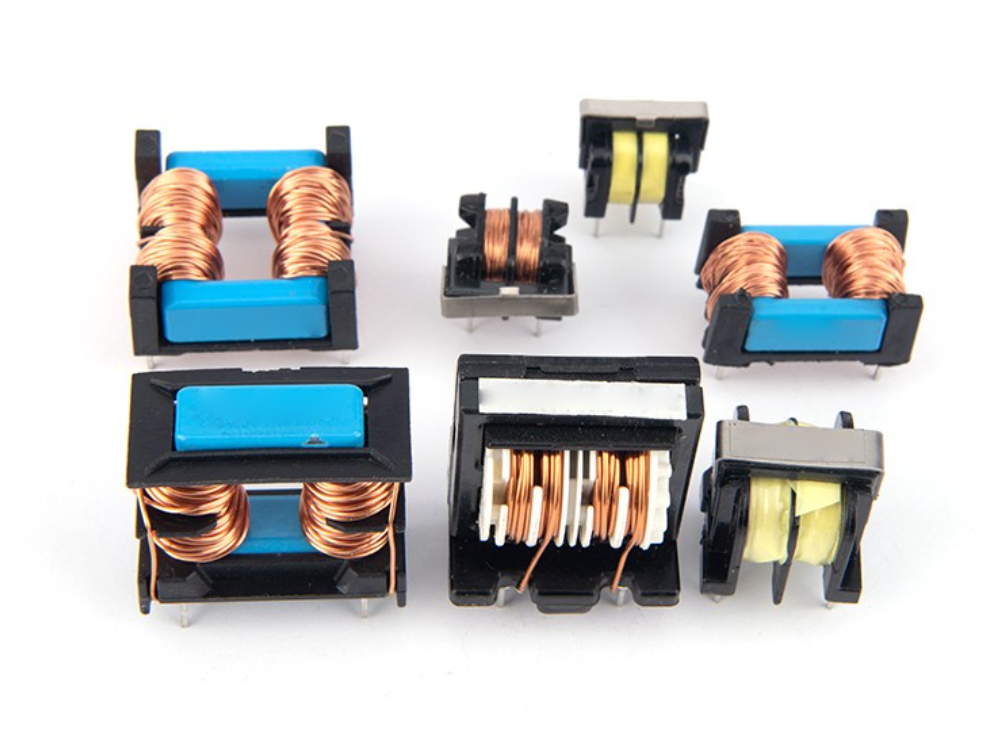
The Critical Role of EMC Line Filters in Ensuring Electronic Device Compliance and Reliability
EMC line filters are far more than simple accessory components added to a bill of materials. They are fundamental, active engineering elements that sit at the critical junction between a device and the unpredictable external electrical world. Their role in achieving and maintaining regulatory compliance is clear and mandatory. However, their deeper value lies in their contribution to intrinsic product reliability: by creating a protected internal power environment, they shield sensitive electronics from degradation and malfunction, directly extending product lifespan and ensuring consistent performance. In an era where electronics underpin everything from infrastructure to daily life, investing in proper EMC filtering—through careful selection, correct integration, and validation—is a decisive step in designing products that are not only lawful to sell but are also trustworthy, durable, and fit for purpose in the real world. It is an investment in product integrity and customer confidence.
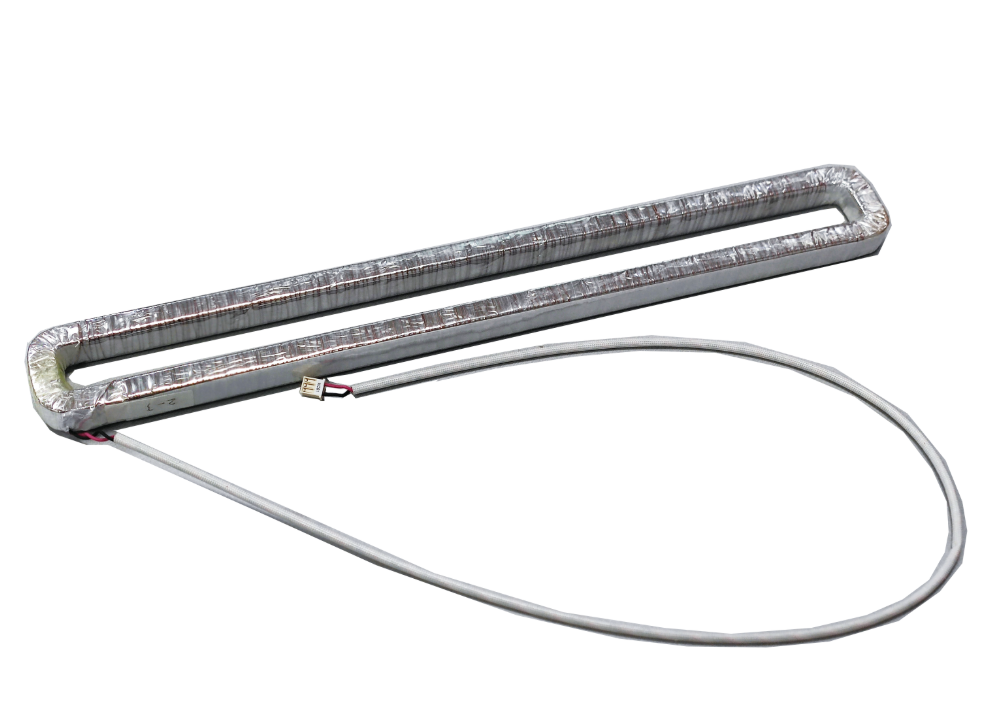
The Essential Role of Split-Core Ground Fault Protection CTs in Enhancing Electrical Safety
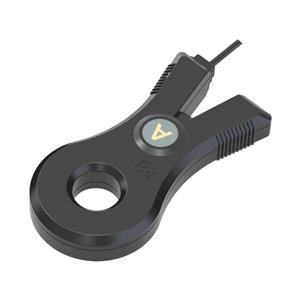
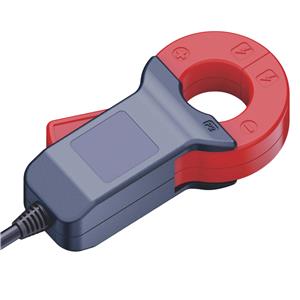
Split-core ground fault protection CTs are far more than mere measurement components; they are dynamic, intelligent sentinels embedded within the electrical infrastructure. By providing a reliable, non-invasive means to detect the dangerous imbalance of ground fault currents, they serve as the critical link between electrical energy and human safety. Their unique design makes advanced electrical protection feasible for both new installations and, more importantly, for the vast landscape of existing systems where safety upgrades are most needed but most challenging. From preventing fatal shocks to averting catastrophic fires and ensuring the uptime of critical operations, the deployment of these sensors represents a fundamental commitment to safety, reliability, and proactive risk management. In essence, the split-core CT is a key enabler in building a safer, more resilient, and code-compliant electrical world.