Industry News
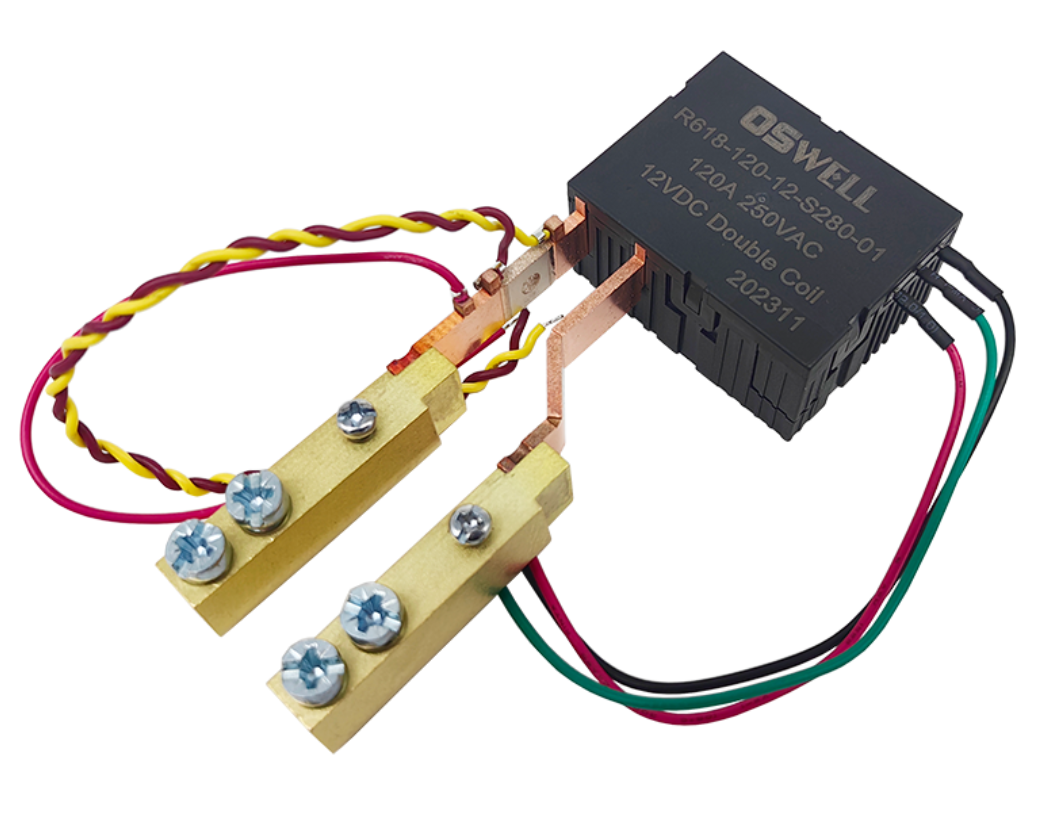
In summary, the full benefit of a latching relay's ultra-low power consumption is only realized with a reliable, efficient, and simple drive method. Discrete circuits add complexity and risk. Integrated driver ICs are the definitive solution, transforming a challenging design task into a straightforward, robust implementation. They are the critical enabling technology that allows latching relays to fulfill their promise in smart meters, IoT energy controls, and other battery-backed or energy-harvesting applications. For procurement specialists and designers, specifying a proven relay-and-driver combination—such as those from suppliers like Oswell who understand the application holistically—is a strategic decision. It minimizes engineering overhead, accelerates product development, and ultimately ensures the field reliability and longevity that are paramount in the global energy metering and management industry.
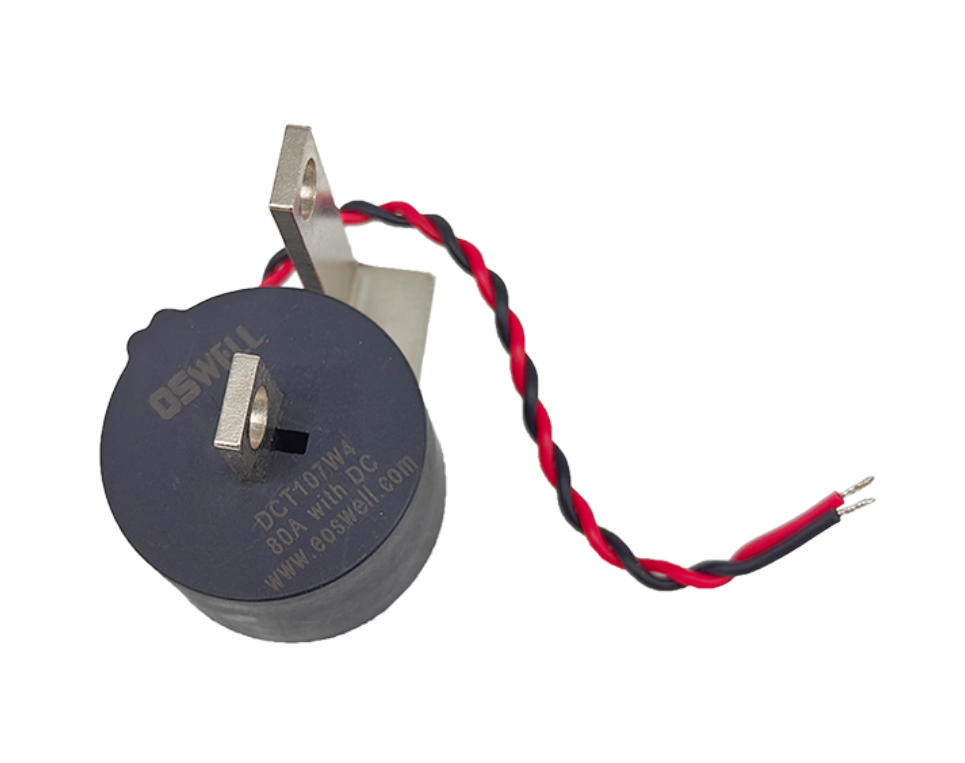
In summary, the choice between split-core and clamp-on CTs is not about which is universally better, but which is perfectly suited for your specific project constraints and goals. Prioritize split-core CTs for retrofit and maintenance-friendly permanent installations where avoiding downtime is critical. Opt for clamp-on CTs for new constructions, portable equipment, or applications demanding the highest possible baseline accuracy. As a global procurement specialist, partnering with a manufacturer like Oswell that offers a comprehensive range of both types, backed by rigorous manufacturing processes like automated winding and epoxy vacuum potting, ensures you receive components that deliver not just on specification, but on long-term field reliability and total cost of ownership. Making the informed choice optimizes both your installation budget and the integrity of your energy data for years to come.
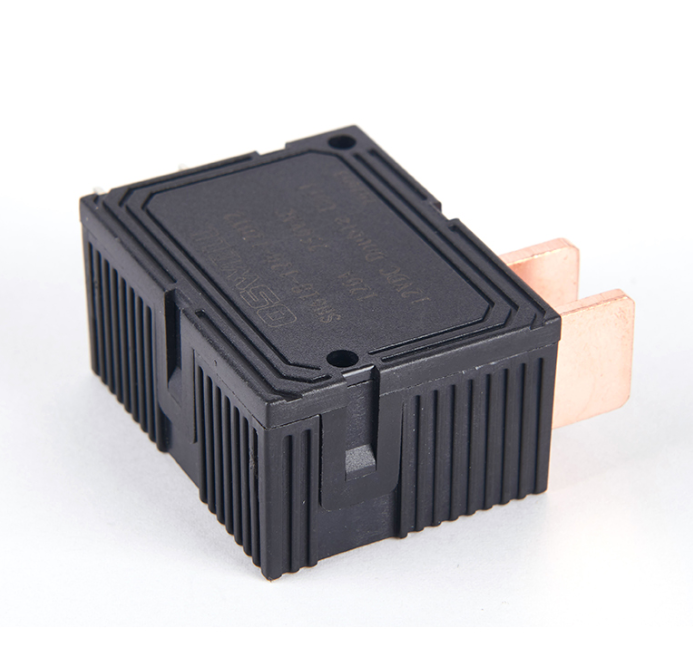
To test the electrical life of a magnetic latching relay properly, buyers should do more than repeat no-load set/reset pulses. They should build a test around the real load, real coil-drive method, real switching frequency, and real temperature conditions, then monitor contact resistance and operating characteristics as the cycles accumulate. The goal is not just to produce a big number. The goal is to learn whether the relay will still switch safely and predictably after the exact kind of stress the final product will impose.
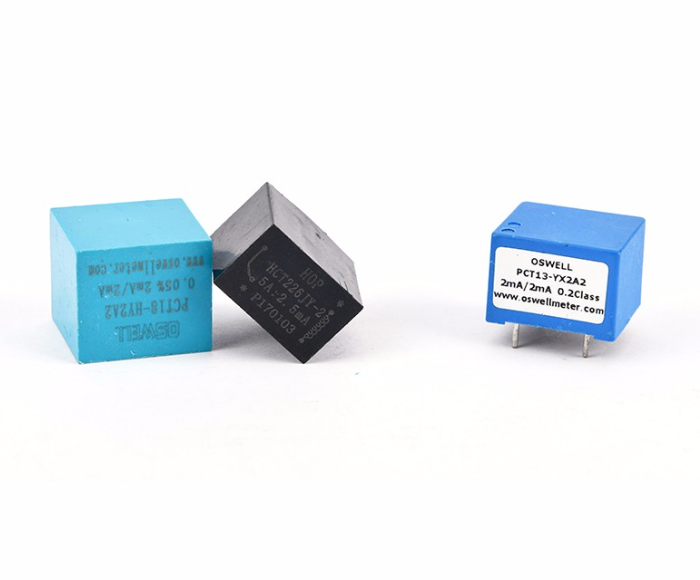
The right voltage ratio for a miniature voltage transformer is the ratio that scales the real primary voltage into the intended input range of the meter or control device, while still maintaining the needed accuracy under the actual burden and wiring scheme. In practice, that means buyers should check five things together: system voltage, target secondary voltage, burden level, device configuration method, and insulation context. When those five line up, ratio selection becomes straightforward. When they do not, even a technically “correct” ratio can become the wrong purchasing decision.
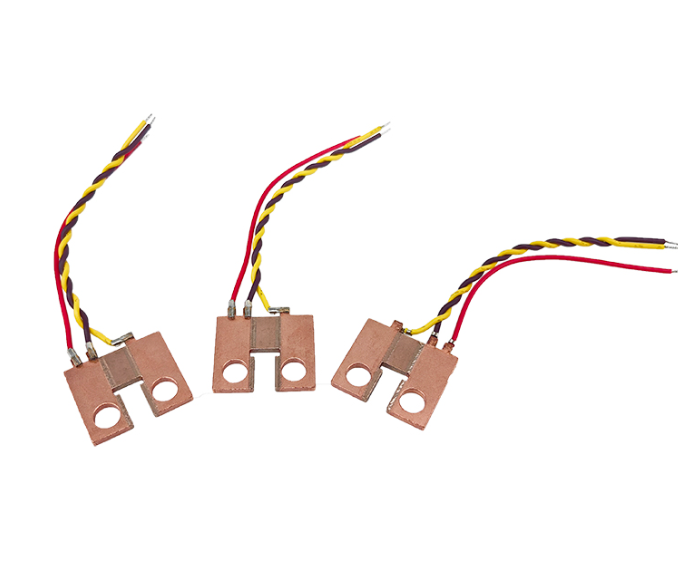
Before ordering a shunt resistor, buyers should check three things in depth: whether the resistance value matches the real current range and acceptable power loss, whether TCR and Kelvin sensing support accurate measurement under heat and parasitics, and whether power rating, drift, and traceability are strong enough for long-term use. A shunt resistor is not just a resistor. In many systems, it is the foundation of current measurement quality.
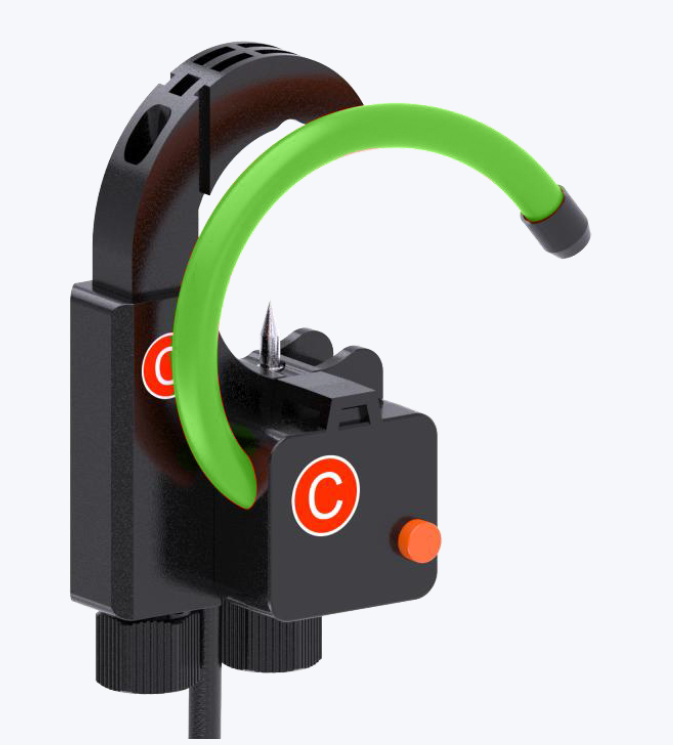
When buying a power system sensor, the cheapest part is not automatically the lowest-cost choice. Real cost comes from power loss, thermal burden, isolation design, calibration effort, drift over time, fault response, and service impact. Buyers who evaluate only unit price often optimize the wrong number. Buyers who evaluate total cost of ownership usually make the safer, more scalable, and more profitable decision.
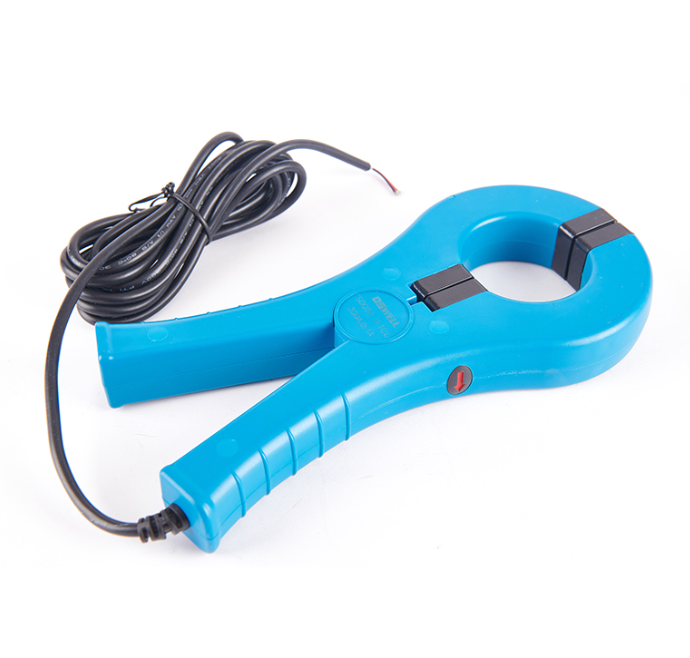
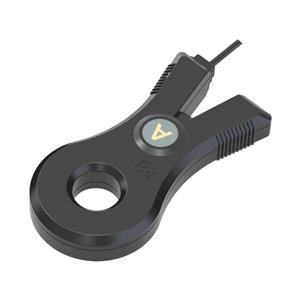
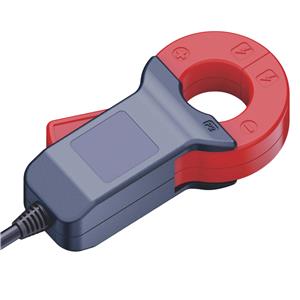
Before ordering a split-core clamp CT, buyers should check five things together: output compatibility, window and ratio fit, burden and accuracy behavior, polarity and installation rules, and long-term environmental and safety suitability. A split-core clamp CT is easy to install, but easy installation does not guarantee correct measurement. The better purchase is usually the one that matches the meter input, fits the conductor cleanly, preserves the required accuracy under real burden conditions, and remains safe to install and service over time.
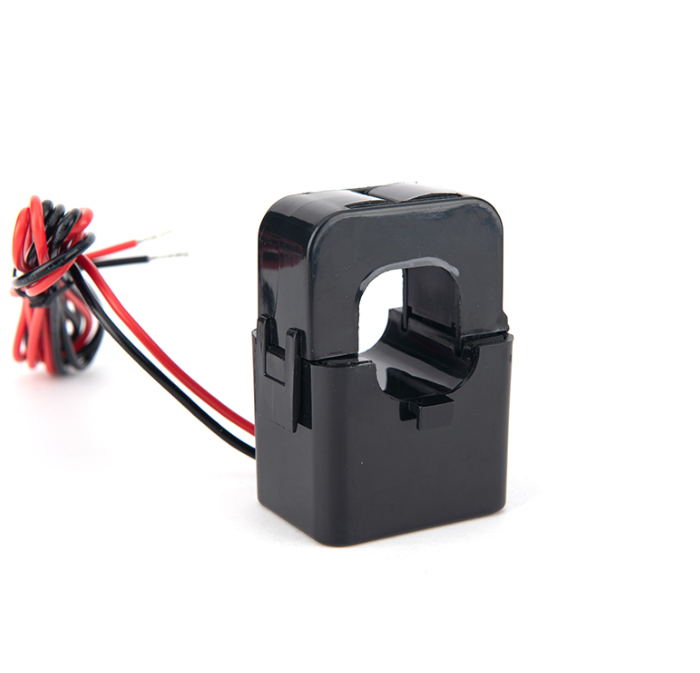
Accuracy class matters in split-core CT selection because it defines measurement potential, but it also reveals something deeper: whether the CT can deliver that performance under the burden, phase, polarity, current range, and meter-input conditions of the real application. A split-core CT is easy to install, but easy installation does not guarantee trustworthy data. Buyers who choose accuracy class based on application risk, system compatibility, and total lifecycle value usually make far better decisions than buyers who compare current ratio and price alone.

Choosing the right shunt resistor for a battery management system means balancing four things at the same time: measurable signal, power loss, temperature stability, and integration quality. The best choice is usually not the one with the lowest resistance or the lowest price by itself. It is the one that fits the pack’s current profile, maintains accuracy across temperature, supports clean sensing connections, and stays stable over real operating life. That is the kind of choice that improves BMS performance instead of creating hidden cost later.
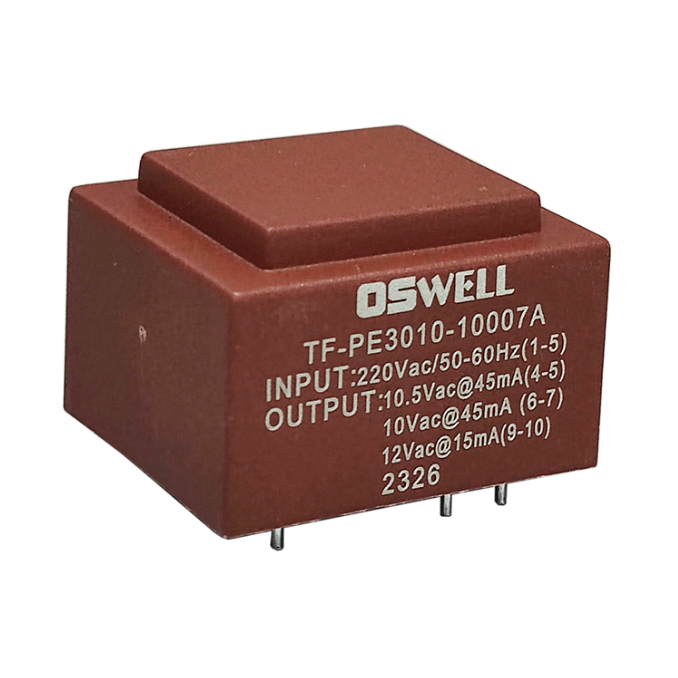
To check whether a miniature transformer fits a smart meter or control system, buyers should evaluate three levels together: electrical fit, system fit, and lifecycle fit. Electrical fit covers ratio, burden, accuracy, and phase behavior. System fit covers wiring topology, CT/VT settings, input compatibility, and safe connection behavior. Lifecycle fit covers physical integration, temperature performance, calibration potential, and long-term stability. When all three levels align, the miniature transformer becomes more than a component choice—it becomes a lower-risk decision for the entire product.