Industry News
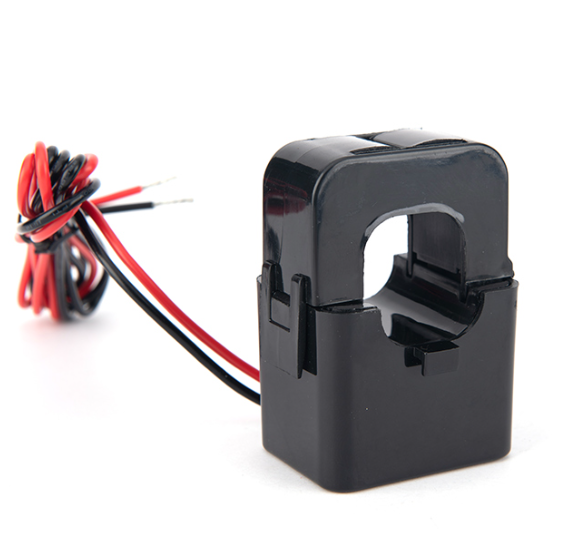
The right comparison framework is simple: compare signal type, isolation need, real accuracy, installation method, and lifecycle cost. Buyers who compare only rated current and quotation price almost always miss the most expensive risks.
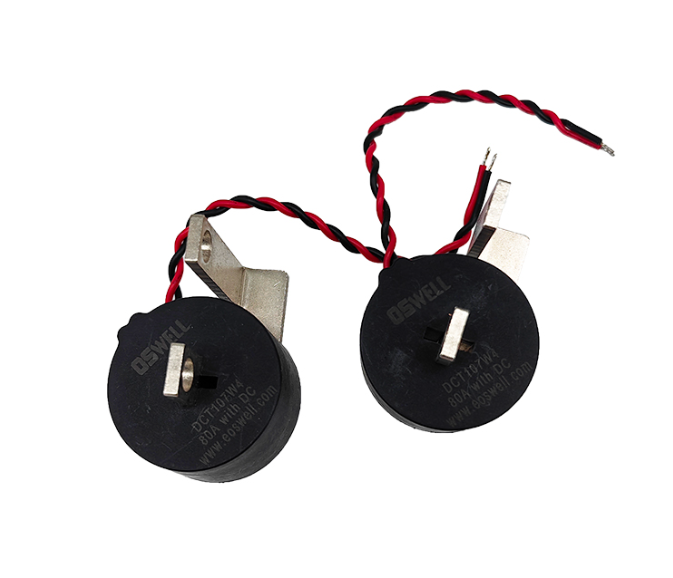
The right current sensing solution depends on signal type, isolation needs, accuracy target, installation constraints, and total lifecycle value. In metering, BMS, and power monitoring, the best answer is rarely universal. It is the option that fits the real electrical environment and reduces risk over the full operating life.
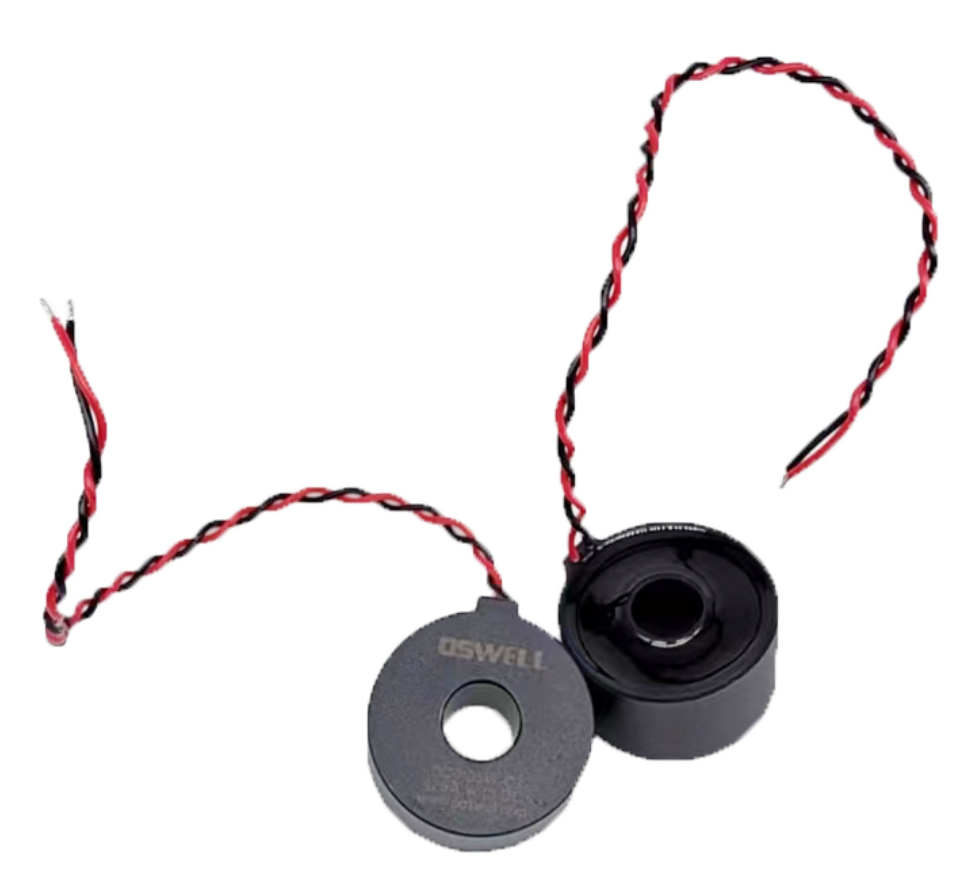
In conclusion, Current Transformers are far more than simple metering devices; they are the indispensable bridge that connects the physical electrical grid with the digital world of smart management. They are fundamental to grid safety, renewable integration, and operational intelligence. As grids become more decentralized, dynamic, and data-driven, the demand for CTs that offer exceptional accuracy, robust construction for harsh environments, and long-term reliability will only intensify. For international procurement specialists building the grids of the future, partnering with proven component manufacturers like Oswell is a strategic decision. It ensures access to core sensing technology that is not just a commodity, but a critical enabler for a stable, efficient, and sustainable energy ecosystem powered by smart grids and widespread renewable energy.
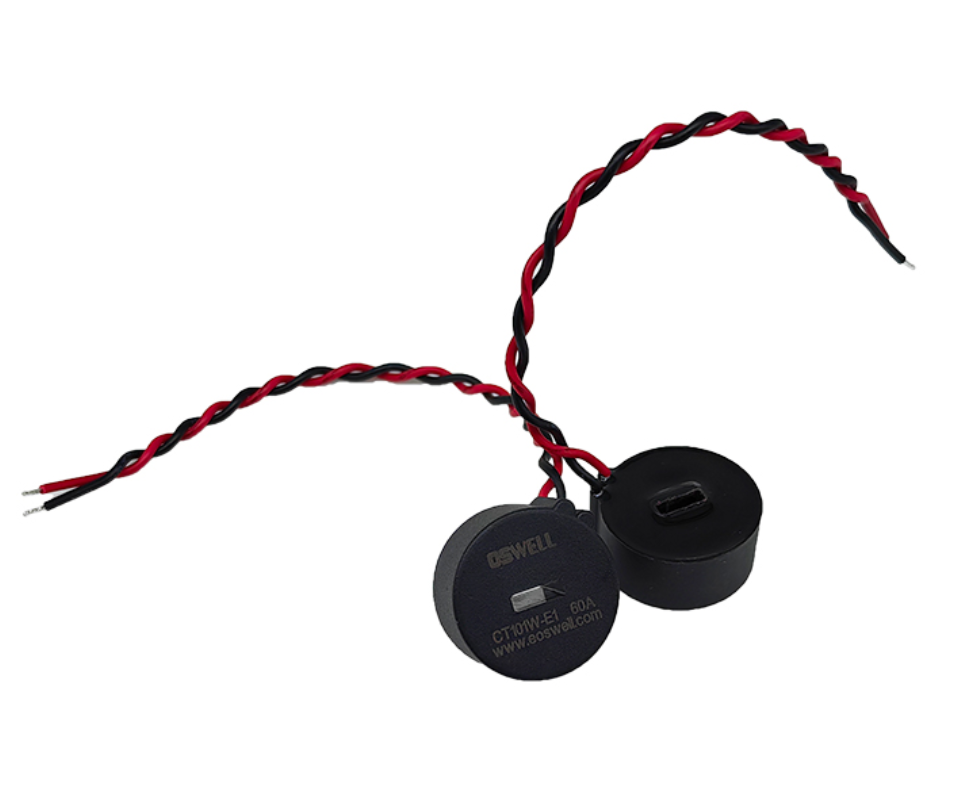
In conclusion, while often unseen within the charging station's enclosure, low-resistance, high-precision shunt sensors are fundamental components that underpin the entire EV charging ecosystem. They are critical for accurate revenue collection, ensuring operational safety, enabling fast charging protocols, and facilitating smart grid integration. Their performance directly impacts user trust, station profitability, and grid stability. As charging powers increase and V2X applications emerge, the demands on these components for higher accuracy, greater power handling, and unwavering reliability will only intensify. For international buyers and designers specifying components for next-generation charging infrastructure, partnering with a trusted, high-quality manufacturer like Oswell is a strategic imperative. It ensures access to the precise, reliable, and robust current sensing technology needed to build a trustworthy, efficient, and future-ready EV charging network.
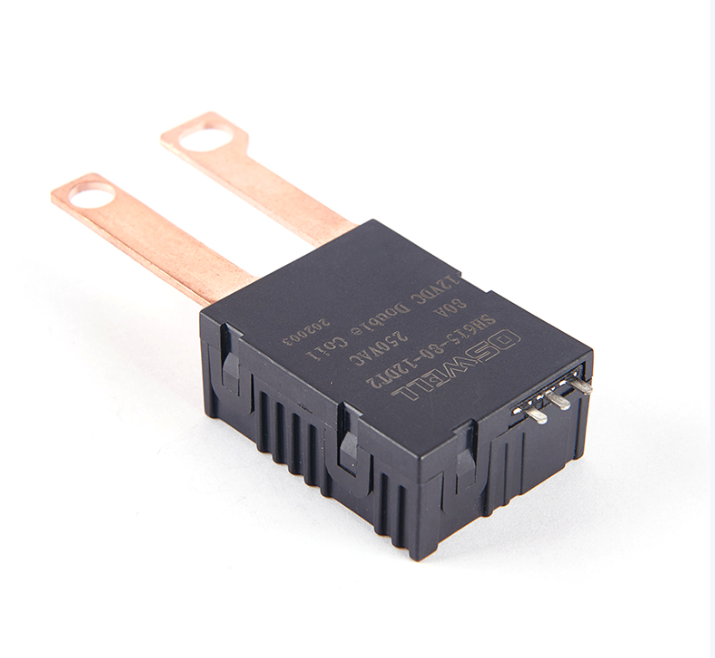
The Critical Role of Latching Relays in Smart Meter Remote Load Control and Tariff Switching.
In summary, the latching relay is the silent, yet critical, enforcer within the smart meter that physically executes the commands of a modern, intelligent grid. It is the key hardware component that enables remote demand-side management, dynamic tariff structures, and enhanced energy conservation—all while consuming virtually no power in its steady state. Its reliability directly impacts grid operational efficiency, utility revenue protection, and consumer trust. For procurement specialists and smart meter designers, selecting a latching relay is not a commodity decision. It is a strategic choice for long-term performance. Partnering with established component specialists like Oswell, who engineer their relays to meet the exacting standards of the global metering industry, is essential. It ensures the deployment of smart meters that are not only intelligent in communication, but also unwavering in their physical execution of control commands, forming the dependable backbone of the advanced metering infrastructure.
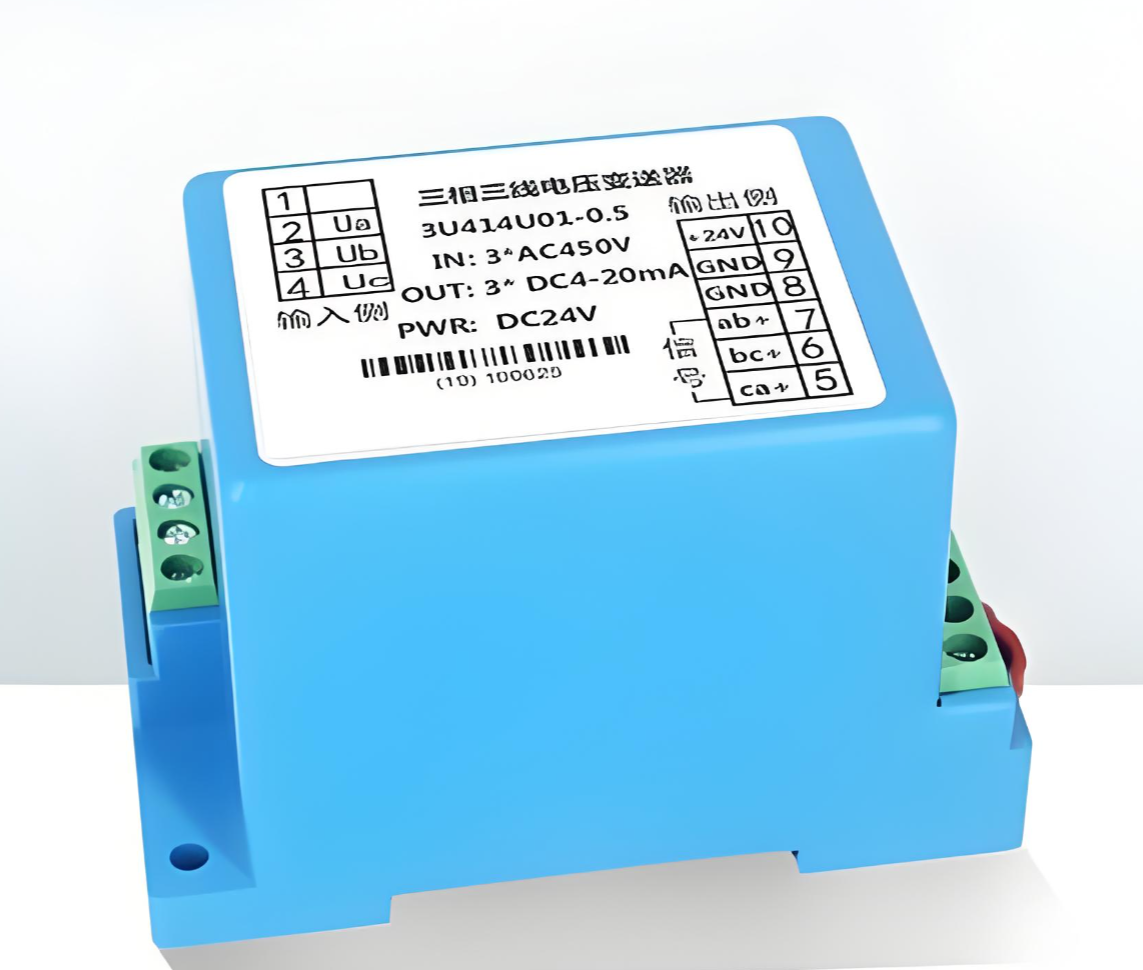
AC Voltage and Current Transducers: Bridging the Gap Between High Voltage and Control Systems
In conclusion, AC voltage and current transducers are far more than simple converters; they are the indispensable, intelligent data highways of modern electrified systems. They provide the critical, safe, and accurate interface that allows digital control systems to "see," analyze, and intelligently manage high-power electrical processes. Their performance directly impacts system safety, control precision, energy efficiency, and asset protection. For system integrators and procurement specialists, selecting transducers is a strategic decision that affects the entire project's intelligence and reliability. Partnering with established component manufacturers like Oswell, who design and build these critical interface devices with a focus on measurement accuracy, robust isolation, and industrial durability, ensures that the bridge between the high-power field and the control room is not just functional, but is a cornerstone of a safe, efficient, and intelligent operational infrastructure.
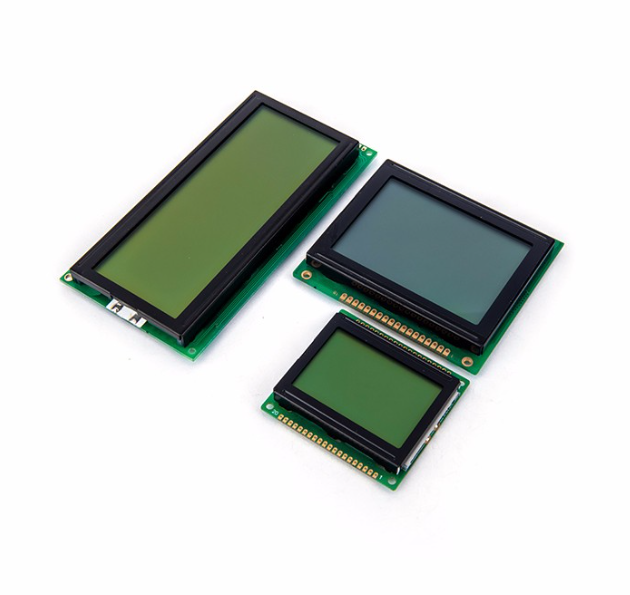
In summary, the display on a meter or outdoor instrument is the critical point of human interaction, and its failure is not an option. Designing for extreme environments requires a holistic approach that addresses the physics of liquid crystals, the reliability of electronic components, and the optics of light management. It moves far beyond the commodity LCDs used in consumer electronics. For meter manufacturers, specifying a wide-temperature, high-brightness LCD module from a proven supplier is a direct investment in product reliability, reduced field returns, and brand reputation. Suppliers like Oswell, with deep expertise in metering components, provide the assurance that the display will perform as critically as the measurement circuitry inside, delivering clear, reliable, and persistent visual information—whether in the freezing dark, the blazing sun, or anywhere in between—for the life of the device.
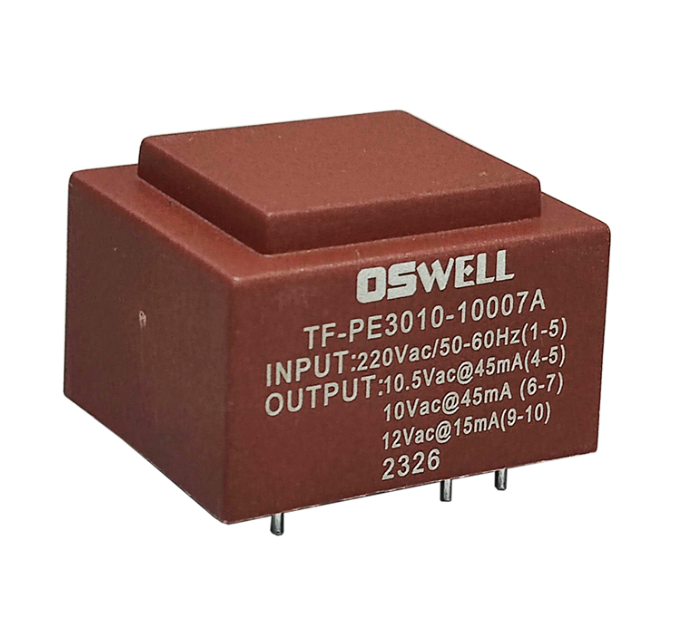
In conclusion, the power transformer is not a commodity but a strategically selected foundation component that directly influences the safety, accuracy, longevity, and field reliability of metering equipment. Its selection involves a careful analysis of isolation requirements, efficiency targets, size constraints, and the specific load characteristics of the meter's electronics. Compromising on transformer quality can lead to premature failures, measurement drift, or susceptibility to grid disturbances. Therefore, for meter manufacturers and procurement specialists, specifying power transformers from established, quality-focused suppliers like Oswell is a critical decision. It ensures access to components engineered with the right materials, construction techniques, and testing protocols to deliver consistent, reliable performance in the challenging real-world environments where meters operate, safeguarding the integrity of the revenue and data collection system.
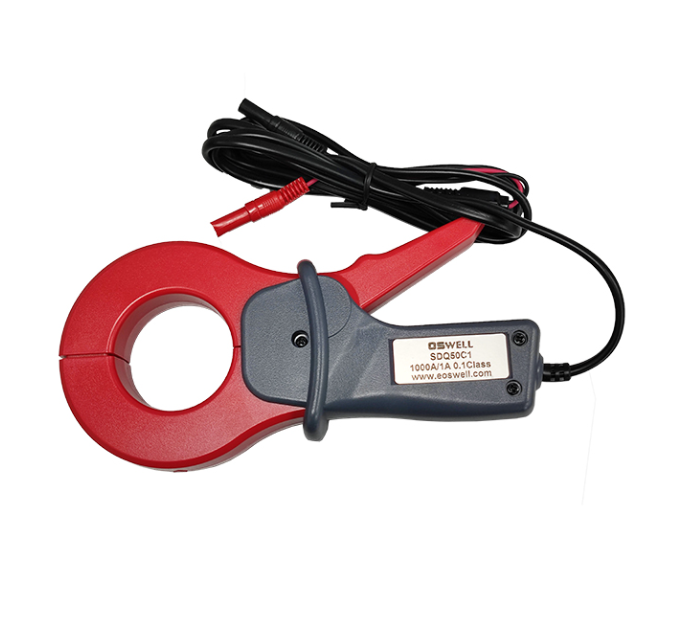
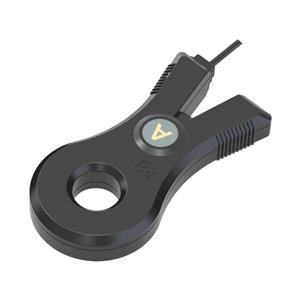
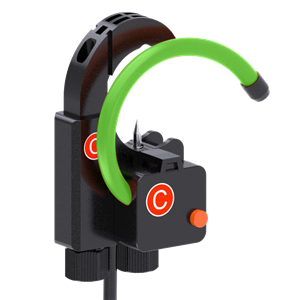
In conclusion, the split-core current transformer is more than just a sensor; it is the key enabler for a non-disruptive path to operational intelligence. It eliminates the single greatest barrier—planned downtime—to upgrading electrical monitoring in existing infrastructure. By choosing high-quality, precision-engineered split-core CTs from reliable manufacturers like Oswell, organizations can safely and efficiently retrofit advanced monitoring capabilities onto their live electrical systems. This empowers them to unlock critical data on energy usage, system health, and operational efficiency, driving informed decisions that reduce costs, enhance reliability, and support sustainability goals. For any retrofit or expansion project, specifying split-core CTs is the smart, strategic choice that delivers immediate value without the cost of stopping operations.
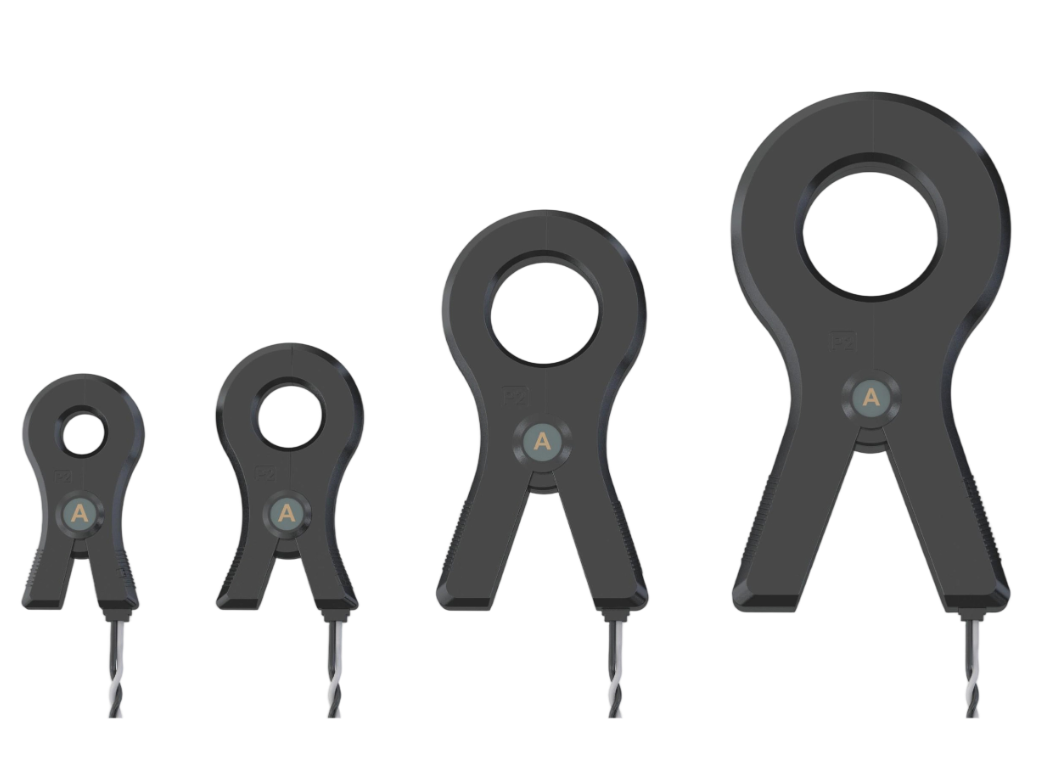
Portable Power Analysis: Using Clamp-On CTs for Temporary Load Studies and Troubleshooting
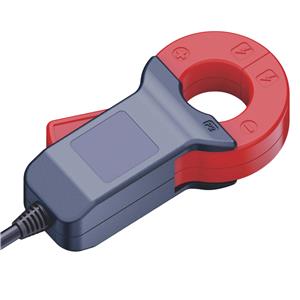
In summary, clamp-on current transformers are far more than just a simple testing accessory; they are an indispensable extension of the modern engineer's diagnostic toolkit. They empower professionals to safely and efficiently conduct load studies, perform deep energy audits, and execute precise troubleshooting without disrupting plant or building operations. The quality of the data gathered—and thus the value of the insights derived—is directly dependent on the accuracy, reliability, and safety of the clamp-on CTs used. For procurement specialists sourcing equipment for field service teams, specifying high-performance, durable tools from established manufacturers like Oswell is a direct investment in operational efficiency, preventive maintenance capability, and data-driven decision making. In the quest for energy efficiency and system reliability, the portable clamp-on CT remains a fundamental and powerful sensor for unlocking electrical intelligence anywhere, anytime.