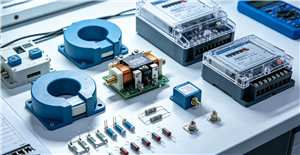
Some smart meter quotes look cheap because they do not fully reflect the real project requirement, the future production path, or the support needed after sample approval. Buyers can reduce this risk by confirming project conditions early, comparing what is really included in the quote, and evaluating supplier capability beyond the first price. In OEM smart meter sourcing, the safer quote is often the one that helps the project cost less later, not the one that only looks cheap at the beginning.
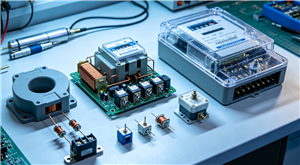
Comparing smart meter component suppliers without hidden risk requires more than checking sample price and response speed. Buyers should compare application understanding, sample realism, technical communication, quality control, project-stage support, and future batch readiness together. When these points are reviewed in a structured way, supplier selection becomes safer, more practical, and much more supportive of successful OEM cooperation.
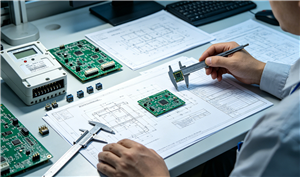
Before paying for smart meter samples, buyers should confirm the real application, the technical requirement, the purpose of the sample, the dimensional fit, the production relevance, and the supplier’s follow-up support. A stronger confirmation process makes sample payment much more useful, reduces repeated changes, and gives the project a clearer path toward approval and future OEM supply.
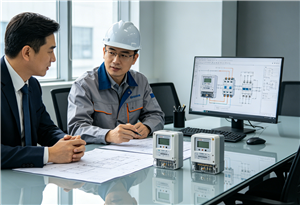
Smart meter samples often pass lab tests but fail in real projects because the lab test is only part of the picture. Real project success depends on application matching, system-level validation, long-term stability, and future batch consistency. When buyers and engineers confirm these points before approval, they can reduce redesign, avoid delayed mass production, and build a more reliable smart meter supply path.
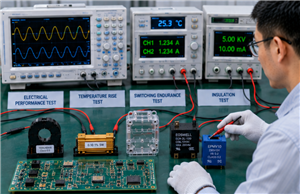
Before smart meter component mass production begins, the most important reliability tests should confirm electrical stability, thermal behavior, insulation confidence, endurance under repeated use, dimensional consistency, and batch readiness. When these checks are completed together and linked to the real project conditions, buyers and engineers can reduce production risk and move forward with much stronger confidence in quality and long-term reliability.
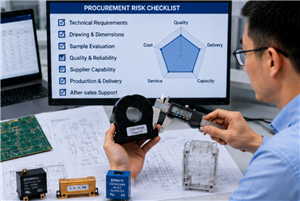
Reducing procurement risk when buying smart meter components from China requires more than checking price and delivery time. Buyers should confirm product fit, RFQ clarity, sample reliability, supplier process control, communication quality, and future batch readiness before moving forward. When these points are managed together, sourcing becomes more efficient, quotations become more accurate, and OEM smart meter projects become much easier to control.
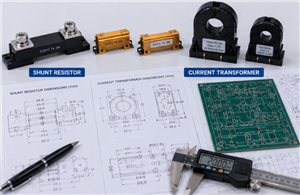
How To Choose Between Shunt Resistors And Current Transformers For Different Smart Meter Designs
Choosing between shunt resistors and current transformers for different smart meter designs requires more than a simple cost comparison. The right method depends on the project’s current sensing architecture, safety structure, thermal strategy, integration style, and long-term production plan. When buyers and engineers evaluate these factors together, they can choose a sensing method that supports not only the design target, but also smoother OEM execution and lower future risk.
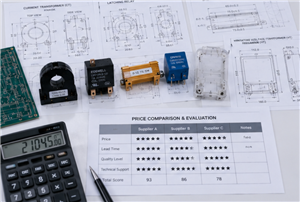
The price of smart meter components in OEM projects is affected by more than the component category alone. Technical requirement, customization level, tooling impact, testing expectation, order quantity, and RFQ clarity all influence the final quotation. When buyers understand these pricing drivers and provide clearer project information, they can receive faster, more accurate quotes and make better purchasing decisions with lower future project risk.
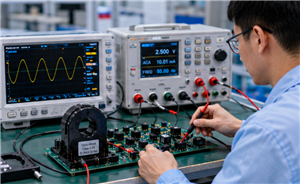
Choosing a current transformer for smart meter projects without causing accuracy problems requires more than checking rated current or one good sample result. The right CT should match the real operating range, burden condition, linearity target, mounting structure, insulation needs, and supplier batch consistency requirements of the project. When these points are reviewed together, buyers and engineers can reduce calibration trouble, avoid hidden measurement errors, and support more reliable long-term smart meter performance.
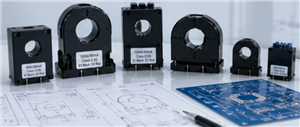
Buyers should provide clear application, electrical, dimensional, installation, safety, and project information before requesting a smart meter CT quote. Doing so helps the supplier recommend the right model faster, reduces repeated communication, improves quotation accuracy, and shortens the sampling and decision process. A better CT RFQ leads to a better quotation, and a better quotation usually leads to a smoother smart meter project.